

Introduction to Anglican Worshippers
Anglican worshippers represent one of the most historically rich and spiritually balanced communities within global Christianity. Rooted in centuries-old traditions yet constantly evolving to meet the needs of contemporary believers, Anglicanism offers a unique approach to worship that blends structure with personal expression. For many followers, being an Anglican worshipper is not just about attending church—it is about participating in a living tradition that values scripture, reason, and heritage equally.
At the heart of Anglican worship is a sense of continuity. Worshippers often feel connected not only to their local congregation but also to believers across time. When someone steps into an Anglican church, they are entering a spiritual environment shaped by centuries of prayer, reflection, and theological growth. This continuity provides comfort, especially in a rapidly changing world where stability can feel rare.
Another defining aspect of Anglican worshippers is their openness. While the church maintains recognizable liturgical patterns, it also welcomes diversity in interpretation and practice. This creates a community where intellectual curiosity and faith can coexist. People who identify as Anglican worshippers often appreciate this thoughtful balance—it allows them to explore their spirituality deeply without feeling constrained by rigid expectations.
Historical Roots of Anglican Worship
To understand Anglican worshippers, it is essential to look at the historical events that shaped their identity. Anglicanism emerged during a time of religious transformation in Europe, particularly in England. What makes this tradition distinctive is that it did not entirely reject older Catholic practices nor fully adopt the emerging Protestant framework. Instead, it developed a middle path that preserved ritual while encouraging reform.
The early formation of Anglican worship influenced how believers approached prayer, scripture, and community. Worshippers became accustomed to services that followed a clear structure, yet allowed room for meaningful participation. Over time, this approach cultivated a sense of shared responsibility in worship—congregants were not passive observers but active participants.
As the Anglican tradition spread across continents through migration and missionary efforts, local cultures began shaping worship styles. Today, Anglican worshippers can be found in bustling cities, remote villages, and multicultural societies. Despite geographic differences, the underlying thread remains consistent: a commitment to thoughtful worship rooted in both history and adaptability.
Core Beliefs That Shape Anglican Worshippers
Anglican worshippers often describe their faith as both grounded and reflective. Rather than focusing solely on emotional experience or doctrinal rigidity, Anglican belief encourages a holistic spiritual life. Scripture holds a central place, but it is interpreted alongside tradition and reason, creating a framework that supports thoughtful faith.
One important belief is the importance of communal worship. While private prayer is valued, gathering together is seen as essential for spiritual growth. Worshippers understand that faith flourishes in community, where shared prayers and collective reflection deepen individual understanding.
Another defining belief is the emphasis on grace. Anglican worshippers tend to view God as both transcendent and approachable. This perspective fosters humility while encouraging confidence in divine compassion. It shapes how believers interact with one another—kindness, patience, and mutual respect become natural extensions of their faith.
Finally, Anglican worshippers often appreciate theological flexibility. Within the broader Anglican community, there is room for varying viewpoints on complex issues. This does not signal uncertainty but rather a recognition that faith journeys differ. Such openness attracts people who seek spiritual depth without intellectual restriction.
The Role of Liturgy in Anglican Worship
Liturgy is perhaps one of the most recognizable features of Anglican worship. For worshippers, it acts as a spiritual rhythm that guides the flow of each service. Far from being repetitive, liturgy provides familiarity that allows believers to focus more deeply on meaning rather than mechanics.
Many Anglican worshippers describe the liturgical structure as grounding. When prayers, readings, and responses follow a predictable pattern, participants can engage more fully. This sense of order helps quiet the mind, making space for reflection and spiritual awareness.
At the same time, liturgy connects worshippers to a larger narrative. The words spoken in services often echo centuries of devotion, reminding participants that they are part of something enduring. This connection can be especially powerful during moments of uncertainty, offering reassurance through shared tradition.
Yet Anglican liturgy is not static. Churches frequently adapt language or incorporate contemporary elements while preserving the overall framework. Worshippers often appreciate this balance—it honors heritage without ignoring present realities.
The Book of Common Prayer and Its Influence
Few texts have shaped Anglican worshippers as profoundly as the Book of Common Prayer. More than a collection of prayers, it serves as a guide for communal worship and personal devotion alike. For generations, this book has helped create a shared spiritual vocabulary among believers.
Worshippers often find comfort in the poetic language of these prayers. The phrasing encourages contemplation, allowing individuals to engage emotionally and intellectually. Even those new to Anglicanism frequently remark on the depth and beauty embedded within these words.
Beyond aesthetics, the Book of Common Prayer promotes unity. Regardless of where Anglican worshippers gather, many of the same prayers are spoken. This shared experience reinforces the idea of belonging to a global fellowship rather than an isolated congregation.
Interestingly, the book has undergone revisions over time. These updates reflect changing cultural contexts while striving to maintain theological integrity. For worshippers, this demonstrates that tradition can evolve without losing its essence.
Diversity Among Anglican Worshippers Worldwide
Anglican worshippers are far from a monolithic group. The global Anglican community spans numerous cultures, languages, and social environments. This diversity enriches worship, introducing new expressions while preserving foundational principles.
In some regions, services feature vibrant music and expressive participation. In others, the atmosphere may feel quieter and more contemplative. Neither approach is considered superior; instead, both reflect the cultural heartbeat of their communities.
Worshippers often find this diversity inspiring. It reminds them that faith transcends borders and that spiritual connection can take many forms. When believers encounter different worship styles, they frequently gain a broader understanding of their own traditions.
Moreover, global diversity encourages dialogue. Anglican worshippers regularly engage in conversations about theology, social responsibility, and church leadership. These discussions strengthen the community by fostering mutual learning rather than division.
Anglican Worship and Sacred Space

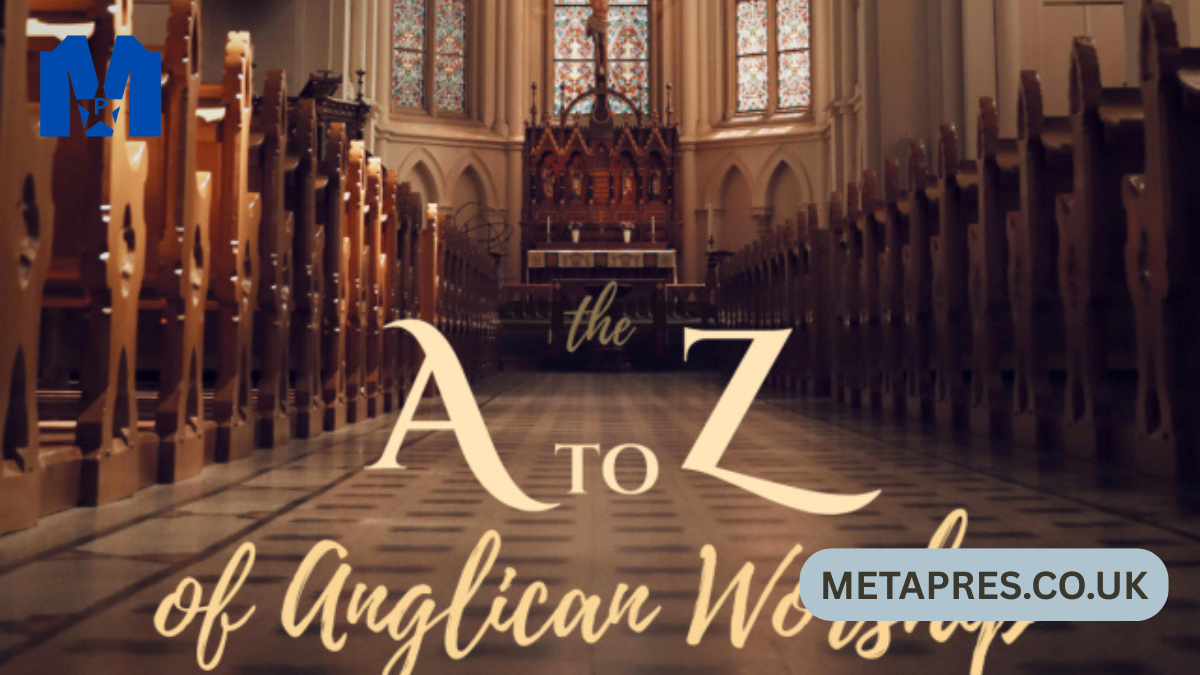
The physical environment of worship plays a meaningful role in shaping the Anglican experience. Many churches are designed with symbolism in mind—from stained glass windows to carefully arranged altars. For worshippers, these elements are not merely decorative; they invite reflection.
Entering such a space often creates a sense of reverence. The architecture encourages worshippers to pause, shift their focus, and prepare mentally for prayer. Even subtle details, like candlelight or quiet organ music, contribute to an atmosphere of sacredness.
However, Anglican worshippers do not believe that holiness is confined to grand buildings. Modern congregations frequently gather in simpler settings, emphasizing that spiritual presence is not dependent on architecture. What matters most is the intentional act of coming together.
Still, the relationship between space and spirituality remains powerful. Whether ornate or minimal, the worship environment shapes how believers engage emotionally and spiritually during services.
Music and Hymns in Anglican Worship
Music holds a cherished place in Anglican worship, often serving as a bridge between intellect and emotion. Hymns are more than melodies—they carry theological insight and communal memory. Worshippers frequently recall specific songs that have accompanied them through life’s milestones.
Choirs traditionally play a significant role, especially in cathedral settings. Their harmonies elevate the atmosphere, helping worshippers experience a sense of transcendence. Yet congregational singing remains equally important, reinforcing the idea that worship is a shared endeavor.
Over time, musical styles have broadened. While classical compositions remain beloved, many congregations incorporate contemporary music. This evolution ensures that worship remains accessible to newer generations without abandoning its heritage.
For Anglican worshippers, music often becomes a form of prayer. Singing allows believers to express feelings that spoken words might not fully capture. Whether joyful or reflective, these musical moments deepen spiritual connection.
The Eucharist: Center of Anglican Worship
For many Anglican worshippers, the Eucharist stands at the heart of spiritual life. This sacred ritual, commemorating the Last Supper, is approached with both reverence and gratitude. Participating in it symbolizes unity—with Christ and with one another.
Worshippers often describe the Eucharist as transformative. The act of receiving bread and wine invites reflection on themes of sacrifice, grace, and renewal. It becomes a moment where theology moves beyond abstraction into lived experience.
Preparation for the Eucharist also matters. Through confession and prayer, worshippers are encouraged to approach the table with humility. This preparation fosters self-awareness and spiritual growth.
Despite theological nuances across the Anglican spectrum, the Eucharist consistently remains a focal point. Its enduring significance highlights the tradition’s commitment to embodied faith—belief expressed through tangible practice.
Community Life Among Anglican Worshippers
Beyond formal services, community life plays a vital role in shaping Anglican worshippers. Churches often function as gathering spaces where relationships flourish. These connections transform congregations into supportive networks rather than mere assemblies.
Worshippers frequently engage in activities such as study groups, charitable initiatives, and social events. These interactions nurture belonging and remind participants that faith extends into everyday life.
Pastoral care is another important dimension. During times of joy or hardship, worshippers rely on their community for encouragement. This mutual support strengthens resilience and fosters compassion.
Importantly, community life reflects Anglican values of inclusivity. Many congregations strive to welcome individuals from varied backgrounds, recognizing that diversity enriches collective faith.
Anglican Worshippers and Spiritual Formation
Spiritual formation refers to the lifelong process of growing in faith, and Anglican worshippers often approach it with intentionality. Rather than viewing spirituality as static, they see it as an evolving journey shaped by prayer, learning, and reflection.
Regular scripture readings encourage thoughtful engagement. Worshippers are invited not only to hear the text but also to wrestle with its implications. This reflective approach cultivates maturity in belief.
Retreats, devotional practices, and mentoring relationships further support formation. These opportunities allow worshippers to step back from routine and refocus on their spiritual priorities.
Ultimately, spiritual formation among Anglican worshippers emphasizes balance—heart, mind, and action working together. This integrated perspective helps believers navigate life with wisdom and purpose.
The Role of Clergy and Leadership
Leadership within Anglican communities carries both responsibility and relational depth. Clergy are not merely authority figures; they often serve as guides who accompany worshippers on their spiritual paths.
Effective leaders tend to foster dialogue rather than dictate conclusions. This collaborative approach resonates with worshippers who value thoughtful engagement. Sermons frequently invite reflection instead of prescribing rigid interpretations.
Lay leadership also plays a significant role. Many worshippers contribute through teaching, organizing outreach, or supporting liturgical functions. This shared leadership reinforces the idea that the church belongs to the entire community.
Healthy leadership ultimately nurtures trust. When worshippers feel heard and supported, their participation becomes more meaningful.
Anglican Worshippers in the Modern World
Modern life presents both opportunities and challenges for Anglican worshippers. Technological advancements, shifting cultural norms, and evolving social conversations all influence how faith is practiced.
Many congregations now stream services or maintain digital communities. This accessibility allows worshippers to stay connected even when physical attendance is difficult. While some initially viewed these changes cautiously, many now see them as valuable extensions of ministry.
At the same time, Anglican worshippers often grapple with questions about relevance. How can ancient traditions speak to contemporary concerns? The answer frequently lies in thoughtful adaptation—honoring the past while engaging the present.
This dynamic tension keeps the tradition vibrant. Rather than resisting change outright, Anglican worshippers typically seek discernment, asking how best to embody enduring values in new contexts.
Social Responsibility and Outreach
Faith for Anglican worshippers rarely remains confined within church walls. Many communities actively pursue social responsibility, viewing service as a natural expression of belief.
Outreach initiatives often address issues such as poverty, education, and healthcare. Worshippers participate not out of obligation but from a conviction that compassion reflects divine love.
These efforts also foster partnerships with other organizations. Collaborative work broadens impact and demonstrates that faith communities can contribute meaningfully to societal well-being.
Importantly, outreach transforms those who serve. Worshippers frequently discover that acts of generosity deepen their own spiritual awareness, reinforcing the interconnectedness of faith and action.
Challenges Facing Anglican Worshippers
No faith community is without its struggles, and Anglican worshippers are no exception. Declining attendance in some regions has prompted reflection about engagement and renewal. Leaders and congregants alike ask how to create environments that resonate with emerging generations.
Theological disagreements can also surface. Yet many worshippers view these conversations as opportunities rather than threats. Honest dialogue encourages growth and prevents stagnation.
Another challenge involves maintaining balance between tradition and innovation. Too much change risks losing identity, while too little may hinder relevance. Navigating this tension requires patience and collective wisdom.
Despite these challenges, Anglican worshippers often demonstrate resilience. Their history reminds them that faith has endured through countless transitions—and can continue to do so.
The Future of Anglican Worship
Looking ahead, the future of Anglican worshippers appears both complex and hopeful. Younger believers are bringing fresh perspectives, encouraging communities to rethink how worship is experienced.
Environmental stewardship, social justice, and global awareness are increasingly shaping conversations. Worshippers are asking how their faith can respond constructively to these pressing concerns.
Interfaith dialogue is another emerging area of interest. As societies grow more interconnected, Anglican worshippers often engage respectfully with people of other traditions, fostering understanding rather than division.
Ultimately, the future will likely reflect the same balance that has long defined Anglicanism: rooted yet responsive, traditional yet open.
Why People Are Drawn to Anglican Worship
Many individuals find Anglican worship appealing because it avoids extremes. The tradition offers structure without suffocation and freedom without chaos. Worshippers can appreciate ritual while exploring personal spirituality.
The intellectual dimension also attracts seekers. Anglican communities frequently encourage questions, recognizing that doubt can coexist with faith. This openness creates space for authentic exploration.
Additionally, the aesthetic richness of worship—from music to liturgy—resonates deeply. Beauty becomes a pathway to transcendence, helping worshippers encounter the sacred in tangible ways.
Perhaps most importantly, Anglican worshippers often speak of belonging. In a fragmented world, the church provides continuity, community, and purpose.
Conclusion
Anglican worshippers embody a tradition that has learned how to hold paradox gracefully. They honor history while welcoming growth, embrace structure while encouraging reflection, and cultivate community while respecting individuality.
Their worship is not merely a weekly event but a rhythm that shapes daily life. Through prayer, music, service, and fellowship, they seek to align their actions with their beliefs.
As the world continues to evolve, Anglican worshippers will undoubtedly face new questions. Yet their enduring commitment to thoughtful faith suggests that they are well equipped to navigate whatever lies ahead.
In the end, to understand Anglican worshippers is to recognize a community continually striving to live out its values—faithfully, compassionately, and with quiet resilience.
FAQs
What are Anglican worshippers known for?
They are known for blending tradition, scripture, and thoughtful reflection within structured yet adaptable worship practices.
Do Anglican worshippers follow strict rituals?
While liturgy is important, many communities allow flexibility to accommodate cultural and spiritual diversity.
Is Anglican worship similar worldwide?
Core elements remain consistent, but music, language, and expressions often reflect local cultures.
Why is the Eucharist important to Anglican worshippers?
It symbolizes unity with Christ and the community, serving as a central act of remembrance and gratitude.
Can newcomers easily join Anglican congregations?
Most churches emphasize hospitality, making it relatively easy for visitors to participate and feel welcomed.
Do Anglican worshippers prioritize community service?
Yes, many view outreach and social responsibility as essential expressions of their faith.
Is Anglicanism considered traditional or modern?
It is often described as both, maintaining historical roots while adapting to contemporary life.
How do Anglican worshippers approach scripture?
They typically interpret it through the combined lens of tradition and reason.
Are Anglican churches the same as Catholic churches?
They share some historical practices but differ in governance and certain theological perspectives.
What attracts people to Anglican worship today?
Many are drawn by its balance of intellectual depth, spiritual richness, and welcoming community.
Also read: A La Carte Food: The Complete Expert Guide to Personalized Dining