
Introduction to Mt Namsan
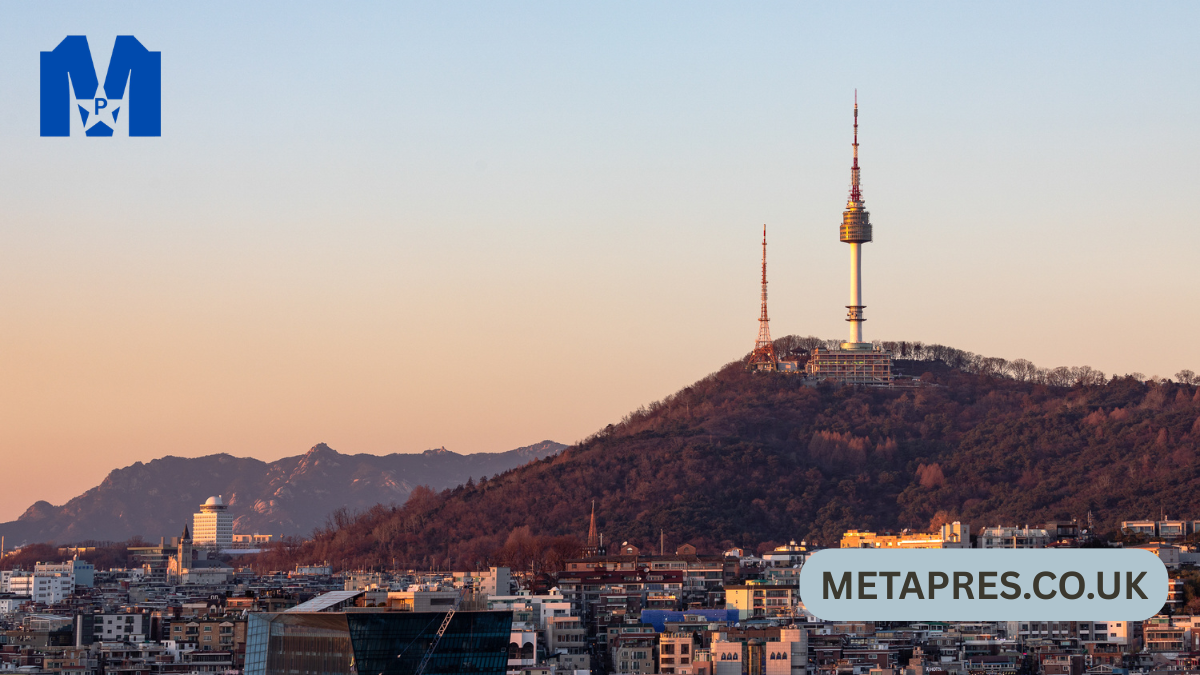
Mt Namsan is not just a mountain—it is a symbol of Seoul’s identity and a place where the past and present blend seamlessly. Rising modestly in the center of South Korea’s capital, this mountain has witnessed centuries of transformation, from ancient kingdoms to the fast-paced modern metropolis that Seoul has become today. Despite the city’s towering skyscrapers and busy streets, Mt Namsan offers a refreshing escape into greenery, calm walking paths, and breathtaking panoramic views.
One of the reasons Mt Namsan stands out is its accessibility. Unlike remote mountain ranges that require long journeys, this natural landmark sits right in the middle of urban life. Residents often visit after work, families come for weekend picnics, and tourists consider it a must-see destination. The mountain is approachable for people of all fitness levels, making it less intimidating than higher peaks while still delivering a rewarding experience.
The name “Namsan” literally translates to “South Mountain,” reflecting its geographical position relative to Seoul’s historic center. Over time, however, it has evolved into much more than a directional reference. It is now associated with romance, relaxation, scenic beauty, and cultural importance. Whether someone is visiting for the famous tower, the walking trails, or simply to breathe fresh air, Mt Namsan offers something memorable for everyone.
Geographic Location and Physical Features
Mt Namsan rises approximately 262 meters above sea level, which may not sound particularly tall compared to massive mountain ranges, but its central location makes it appear far more dramatic. Because the surrounding city is relatively low-lying in many areas, the summit provides clear, uninterrupted views that stretch across Seoul’s sprawling skyline. On a bright day, visitors can even spot distant mountains framing the city.
The mountain is part of a larger ecological network that helps regulate Seoul’s environment. Trees, shrubs, and natural vegetation cover much of the landscape, providing an essential green lung for the city. These forests help improve air quality, moderate temperatures, and support biodiversity. Walking through these shaded areas often feels like stepping into a completely different world—one that contrasts sharply with the urban environment just minutes away.
Another notable physical feature is the carefully designed infrastructure that balances preservation with accessibility. Well-maintained trails, staircases, and gentle slopes allow visitors to choose their preferred level of challenge. Some paths are ideal for relaxed strolls, while others provide a more active hiking experience. This thoughtful design ensures that Mt Namsan remains welcoming to everyone, from young children to elderly visitors.
Historical Significance of Mt Namsan
Mt Namsan has played an important role throughout Korean history. During the Joseon Dynasty, the mountain served as a strategic location for defense and communication. Beacon towers once stood here, used to send smoke signals that warned of approaching threats. This system allowed information to travel quickly across regions long before modern communication technologies existed.
The mountain also carried spiritual importance. Historically, it was believed that mountains were sacred spaces where the earth and sky connected. Rituals and ceremonies were sometimes held in such locations to honor protective spirits or seek blessings. Although modern Seoul has transformed dramatically, echoes of these beliefs still linger in the respect many locals show toward natural landmarks like Mt Namsan.
During the 20th century, the area experienced significant change as Korea underwent rapid modernization. Urban development surrounded the mountain, yet efforts were made to preserve it rather than replace it. This decision proved invaluable, as Mt Namsan now acts as both a historical reminder and a natural refuge within one of Asia’s most dynamic cities.
Cultural Importance in Modern Seoul
Today, Mt Namsan is deeply woven into the cultural fabric of Seoul. It frequently appears in Korean dramas, films, travel photography, and social media posts. For many residents, it represents comfort and familiarity—a place they have visited since childhood or returned to during meaningful moments in their lives.
The mountain has also become a symbol of romance. Couples often walk the trails together, especially near sunset when the sky glows over the city. The tradition of leaving love locks has further strengthened this reputation, turning parts of the mountain into colorful displays of affection and commitment.
Beyond romance, Mt Namsan hosts cultural events and seasonal celebrations. From outdoor performances to art installations, the space is used creatively to bring people together. It is not uncommon to see musicians playing, photographers capturing landscapes, or fitness enthusiasts practicing yoga in open areas. This cultural vibrancy ensures that Mt Namsan remains lively throughout the year.
The Iconic Tower and Its Role
Standing proudly atop the mountain is the famous communication and observation tower, which has become one of Seoul’s most recognizable landmarks. Originally built to support broadcasting infrastructure, it quickly evolved into a major tourist attraction thanks to its observation decks and sweeping views.
Visitors often describe the experience of reaching the tower as unforgettable. Whether they hike up, take a cable car, or use a shuttle, the anticipation builds as the city gradually unfolds beneath them. Once at the top, the perspective changes completely—streets look like ribbons, buildings resemble miniature models, and the Han River glimmers in the distance.
The tower also serves as a social hub. Restaurants, cafés, and viewing areas encourage people to linger rather than simply pass through. At night, the structure lights up, creating a striking visual that can be seen from many parts of the city. This transformation after dark adds another layer of charm, making the mountain equally appealing during both day and evening hours.
Hiking Trails and Outdoor Activities
Mt Namsan is beloved for its network of hiking trails that cater to various preferences. Some paths wind gently through wooded areas, offering a peaceful experience ideal for reflection or casual conversation. Others are slightly steeper, appealing to those who want a bit more physical activity without committing to an intense mountain climb.
Walking these trails often reveals small surprises—hidden viewpoints, quiet benches, or patches of wildflowers depending on the season. Many visitors find that the journey itself becomes more meaningful than the destination. The rhythmic sound of footsteps, birdsong, and rustling leaves creates a calming atmosphere rarely found in a capital city.
In addition to hiking, the mountain supports cycling routes and designated exercise areas. Fitness groups sometimes gather here for morning workouts, taking advantage of the fresh air and scenic surroundings. For travelers trying to maintain healthy habits while exploring a new city, Mt Namsan provides the perfect balance of recreation and relaxation.
Flora and Fauna of the Mountain
Despite being surrounded by dense urban development, Mt Namsan sustains a surprisingly rich ecosystem. Various tree species create layered canopies that change dramatically with the seasons. In spring, blossoms introduce soft colors; summer brings lush greenery; autumn paints the mountain in fiery reds and golds; winter reveals elegant bare branches dusted with snow.
Birdlife is another highlight. Observant visitors may spot woodpeckers, magpies, and other native species moving through the trees. These animals contribute to the sense that Mt Namsan is more than just a park—it is a living environment supporting natural cycles.
The city’s commitment to conservation plays a crucial role in maintaining this biodiversity. Regular monitoring and careful landscaping help ensure that human activity does not overwhelm the habitat. As a result, the mountain continues to thrive as both an ecological sanctuary and a recreational space.
Seasonal Beauty Throughout the Year
Every season brings a different personality to Mt Namsan. Spring is particularly enchanting, as cherry blossoms and other flowering trees create picturesque pathways. The mild weather encourages long walks, and photographers flock to capture the fleeting beauty.
Summer transforms the mountain into a cool refuge from the heat. Dense foliage provides shade, making hikes more comfortable than one might expect in a busy metropolis. Evening visits become especially popular, as temperatures drop and the city lights begin to sparkle.
Autumn is arguably the most celebrated season here. Vibrant foliage attracts locals and tourists alike, turning ordinary trails into colorful corridors. Winter, meanwhile, offers a quieter charm. Snow softens the landscape, and the reduced crowds allow for a more contemplative experience.
Accessibility and Transportation
Getting to Mt Namsan is remarkably straightforward. Multiple transportation options connect the mountain to different parts of Seoul, ensuring that visitors can plan their trip with ease. Public buses, subways, and shuttle services all provide convenient routes.
For those seeking a memorable ascent, the cable car is a popular choice. It combines practicality with scenic appeal, allowing passengers to watch the city shrink below as they glide upward. This option is especially appreciated by travelers who may not have the time or energy for a full hike.
Pedestrian routes from nearby neighborhoods also make the mountain feel integrated into daily life. Some residents treat it almost like an extension of their backyard—a place they can reach within minutes whenever they need a break from routine.
Romantic Appeal and Love Locks
Mt Namsan’s romantic reputation is closely tied to the tradition of attaching love locks. Couples write their names or messages on small padlocks and secure them to designated fences, symbolizing enduring affection. Over time, these locks have created vibrant mosaics of color and sentiment.
What makes this tradition special is not just the visual effect but the emotions behind it. For many couples, the act represents a shared memory—a moment they can revisit mentally long after the physical lock fades or is removed.
The surrounding viewpoints enhance the romantic atmosphere. Watching the sunset together or seeing the city illuminated at night often turns an ordinary outing into a cherished experience.
Photography and Scenic Views
Photographers consider Mt Namsan a dream location because it offers diverse vantage points. Wide-angle shots capture the vastness of Seoul, while closer compositions highlight architectural contrasts between historic structures and modern buildings.
Sunrise and sunset are particularly rewarding times to visit. Soft lighting adds depth and warmth, transforming the skyline into a dynamic canvas. Even amateur photographers often leave with impressive images simply because the setting does much of the work.
Night photography is equally captivating. The glow of streetlights and illuminated bridges creates patterns that seem almost abstract from above. These views remind visitors just how expansive and energetic Seoul truly is.
Food, Cafés, and Relaxation Spots
Exploring Mt Namsan can easily work up an appetite, but fortunately, several dining options are available. From casual snack stands to more refined restaurants, visitors can find something that suits their taste and schedule.
Cafés are especially popular, offering cozy interiors and panoramic windows. Sitting with a warm drink while overlooking the city creates a sense of calm that contrasts beautifully with the urban bustle below.
Picnic areas provide another way to enjoy food in the open air. Families and friends often bring simple meals, turning their visit into a leisurely social gathering rather than a rushed excursion.
Family-Friendly Experiences
Mt Namsan is an excellent destination for families because it combines education, recreation, and safety. Children can explore nature without venturing too far from city conveniences, and the manageable trails ensure that even younger hikers can participate.
Playgrounds and open spaces allow kids to burn off energy, while parents appreciate the clean and organized environment. Educational signage along certain paths introduces visitors to local plants and wildlife, subtly turning a walk into a learning opportunity.
Many families return repeatedly because the mountain never feels repetitive. Changing seasons and evolving events keep each visit fresh.
Environmental Role in Urban Life
Green spaces like Mt Namsan are vital for maintaining balance in heavily populated cities. Trees absorb carbon dioxide, release oxygen, and help reduce the urban heat island effect. Without such areas, city life could become far less comfortable.
Beyond physical benefits, the psychological impact is equally important. Studies consistently show that access to nature improves mood, reduces stress, and enhances overall well-being. Mt Namsan fulfills this role beautifully, offering a place where people can recharge.
City planners increasingly recognize the importance of preserving such spaces. Mt Namsan stands as proof that modernization and environmental responsibility can coexist.
Tips for First-Time Visitors
Planning ahead can make a visit even more enjoyable. Comfortable footwear is essential, especially for those intending to explore multiple trails. Weather-appropriate clothing also ensures that changing conditions do not disrupt the experience.
Arriving early can help avoid peak crowds, particularly during spring and autumn. Those who prefer a livelier atmosphere, however, may enjoy visiting later in the day when the tower lights begin to glow.
Finally, bringing a camera—or at least ensuring your phone is fully charged—is highly recommended. The views are too impressive to rely solely on memory.
The Future of Mt Namsan
As Seoul continues to evolve, preserving Mt Namsan remains a priority. Ongoing improvements aim to enhance accessibility while protecting the natural environment. Smart planning ensures that increased tourism does not compromise the mountain’s integrity.
Technology may also play a role in shaping future visits. Interactive guides, augmented reality experiences, and eco-friendly transportation options could further enrich the journey without overshadowing the mountain’s natural charm.
What seems certain is that Mt Namsan will remain a cherished landmark. Its ability to adapt while retaining its core identity makes it a rare treasure in an ever-changing city.
Conclusion
Mt Namsan represents harmony—between nature and urban life, history and modernity, solitude and community. It is a place where people can pause, reflect, celebrate, and reconnect with the world around them.
Whether someone visits for the sweeping views, the cultural experiences, or the simple pleasure of walking among trees, the mountain delivers lasting impressions. It reminds us that even in the busiest cities, spaces for tranquility still exist.
For travelers, Mt Namsan offers an authentic glimpse into Seoul’s character. For residents, it provides continuity amid constant change. And for everyone who sets foot on its trails, it becomes more than just a destination—it becomes a memory worth revisiting.
FAQs
What is Mt Namsan known for?
It is famous for its central location, scenic views, hiking trails, and iconic observation tower.
How tall is Mt Namsan?
The mountain stands at approximately 262 meters above sea level.
Is Mt Namsan suitable for beginners?
Yes, the trails are well-maintained and accessible for most fitness levels.
When is the best time to visit Mt Namsan?
Spring and autumn are especially popular due to mild weather and beautiful foliage.
Can you visit Mt Namsan at night?
Yes, evening visits are popular because of the illuminated skyline.
Is there an entrance fee for Mt Namsan?
Access to the mountain itself is generally free, though some attractions may charge fees.
How do you get to the top of Mt Namsan?
Visitors can hike, take a cable car, or use shuttle transportation.
Is Mt Namsan family-friendly?
Yes, it offers safe paths, open spaces, and activities suitable for all ages.
Are food options available on Mt Namsan?
Yes, there are cafés, snack stands, and restaurants.
Why is Mt Namsan important to Seoul?
It serves as a cultural, historical, and environmental landmark at the heart of the city.
Also read: Anglican Worshippers: Faith, Tradition, and Modern Spiritual Life