

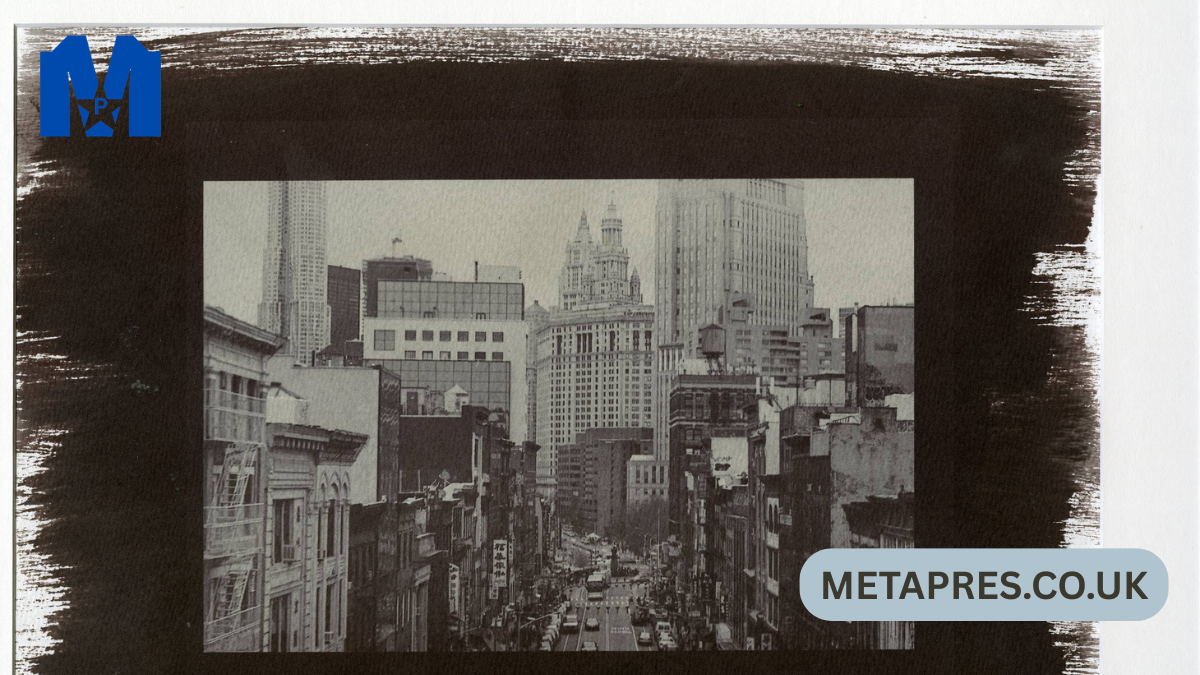
Introduction to Salt Prints
Salt prints hold a unique and honored place in the history of photography. Long before digital cameras and smartphone filters transformed how we capture images, photographers relied on delicate chemical processes to preserve moments in time. Among the earliest successful photographic techniques, salt printing stands as a fascinating blend of art and science. It is both simple in its chemistry and deeply expressive in its final result, producing images that feel soft, atmospheric, and almost dreamlike.
At its core, the salt print process uses paper coated with salt and silver nitrate to create light-sensitive surfaces. When exposed to sunlight under a negative, the paper darkens to form an image. The result is not the sharp, glossy photograph many people are used to seeing today. Instead, salt prints offer warm brown tones, subtle contrasts, and a handmade character that makes each piece feel personal. This individuality is one reason artists and collectors continue to admire the technique even nearly two centuries after its invention.
Understanding salt prints also helps us understand the evolution of photography itself. Every modern camera, printer, and editing tool owes something to these early experiments with light and chemistry. By exploring the story, method, and artistic value of salt prints, we gain a deeper appreciation for how far photography has come—and why some traditional techniques never truly fade away.
The Origins of Salt Printing

The story of salt prints begins in the early nineteenth century, a time when inventors across Europe were searching for ways to permanently capture images created by light. Among these pioneers was William Henry Fox Talbot, an English scientist, mathematician, and photography innovator. Talbot’s curiosity led him to experiment with paper coated in light-sensitive chemicals, ultimately resulting in one of the first viable photographic processes.
Talbot introduced the salt print method in the 1830s, and it quickly became the foundation for paper photography. Before this breakthrough, many photographic images were produced on metal or glass surfaces, which were often expensive and difficult to duplicate. Salt prints changed that. Because they used paper negatives, photographers could create multiple copies of a single image, making photography more accessible and practical.
What makes this development especially important is how it shifted photography toward artistic expression. Instead of being limited to scientific documentation, photographers could now share images more widely. Landscapes, portraits, architecture, and everyday scenes began appearing in salt prints, offering viewers a new way to experience the world. The technique didn’t just capture reality—it helped people see beauty in ordinary moments.
How the Salt Print Process Works
To appreciate salt prints fully, it helps to understand the process behind them. While the chemistry may sound technical at first, the method is surprisingly approachable, especially compared to some later photographic techniques.
The process begins with high-quality paper. Artists typically select cotton-based or watercolor paper because it absorbs chemicals evenly and produces smoother tonal transitions. The paper is first brushed with a salt solution and allowed to dry. Afterward, it is coated with silver nitrate, which reacts with the salt to form silver chloride—a compound that darkens when exposed to light.
Once prepared, the paper becomes photosensitive. A negative is placed directly on top, and the two are exposed to sunlight or ultraviolet light. Over time, the image slowly appears. Watching a photograph emerge in this way can feel almost magical, as if the light itself is painting on the paper.
After exposure, the print must be fixed to prevent further darkening. Early photographers often used simple solutions, but modern practitioners rely on more stable fixing agents to improve longevity. The final step involves washing and drying the print, revealing an image that feels both fragile and enduring.
Why Salt Prints Look So Distinctive
One glance at a salt print is usually enough to recognize it. Unlike modern photographs that emphasize clarity and precision, salt prints are known for their softness. Edges appear slightly blurred, and the tonal range leans toward gentle browns rather than stark blacks and whites.
This look is partly due to how the image forms within the fibers of the paper rather than sitting on top of it. Because there is no glossy coating, light interacts differently with the surface, giving the print a matte, almost velvety appearance. Many viewers describe the effect as painterly, comparing it to charcoal drawings or delicate watercolor works.
Another reason salt prints feel special is their unpredictability. Small changes in paper type, chemical ratios, or exposure time can influence the final image. Rather than being seen as flaws, these variations are often celebrated. They remind us that each print is handmade and therefore impossible to replicate perfectly.
Salt Prints vs. Other Early Photographic Methods
When salt prints first appeared, they were not the only photographic technique available. The daguerreotype, for example, was another groundbreaking process that produced highly detailed images on polished metal plates. While daguerreotypes impressed viewers with their sharpness, they were also fragile and could not be easily reproduced.
Salt prints offered a different advantage: flexibility. Photographers could create multiple prints from a single negative, making it easier to share images with friends, clients, or publications. This reproducibility played a significant role in photography’s rapid growth during the nineteenth century.
However, salt prints were not without challenges. They tended to fade if not properly fixed, and their softer appearance did not appeal to everyone. As technology advanced, albumen prints and other processes gained popularity for their improved contrast and durability. Still, salt prints never lost their historical importance, and many photographers continued to appreciate their artistic qualities.
The Artistic Appeal of Salt Prints
There is something undeniably emotional about a salt print. Perhaps it is the warm tonal palette or the way details seem to dissolve gently into the paper. Whatever the reason, these prints often evoke a sense of nostalgia, even when depicting contemporary subjects.
Artists today frequently turn to salt printing when they want to slow down their creative process. In an era dominated by instant results, working with chemicals and sunlight encourages patience. Each step demands attention, from preparing the paper to judging the perfect exposure time. This deliberate pace can transform photography from a quick act into a deeply meditative practice.
Salt prints also invite experimentation. Some photographers combine traditional methods with modern digital negatives, blending old and new technologies. Others embrace imperfections, allowing streaks or uneven tones to become part of the composition. In doing so, they expand the boundaries of what photography can be.
Materials Needed for Creating Salt Prints
Anyone interested in salt printing will find that the required materials are relatively straightforward. Unlike complex darkroom setups, this technique can be practiced with minimal equipment, making it appealing to beginners and experienced artists alike.
The most important material is quality paper. Cotton rag paper is often preferred because it is durable and free of acids that might damage the print over time. The texture of the paper can dramatically affect the final image, so many photographers test several varieties before settling on a favorite.
Next comes the chemistry. A simple salt solution and silver nitrate are the primary ingredients, but careful handling is essential. Protective gloves and proper ventilation help ensure safety while working with these substances.
Finally, a reliable light source is needed. While early photographers relied exclusively on sunlight, modern artists often use ultraviolet lamps for greater consistency. Regardless of the source, the principle remains the same: light activates the chemicals to reveal the image.
Step-by-Step Guide to Making a Salt Print
Creating a salt print is as much a craft as it is a photographic technique. The process rewards patience and curiosity, inviting photographers to engage with each stage rather than rushing toward the final image.
The journey begins by preparing the paper. After applying the salt solution, the sheet must dry completely before receiving the silver nitrate coating. This step transforms the paper into a light-sensitive surface ready for exposure.
Next, the negative is placed on top of the prepared paper. Because the two must remain in close contact, many artists use a contact printing frame. The assembly is then exposed to light, and the image gradually appears. Judging the right moment to stop exposure often comes with experience.
Once the desired density is achieved, the print is fixed and washed thoroughly. Proper washing removes residual chemicals that could otherwise cause discoloration later. After drying, the print is ready to be admired—a tangible record of both light and craftsmanship.
Common Challenges and How to Overcome Them
Like any artistic technique, salt printing comes with its share of obstacles. Beginners sometimes struggle with uneven coatings, which can result in blotchy images. Fortunately, this issue often improves with practice and careful brushwork.
Fading is another concern. Early salt prints were notorious for losing contrast over time, especially when exposed to sunlight. Today, improved fixing methods and archival storage techniques help preserve prints for generations.
Exposure control can also be tricky. Too little light produces weak images, while too much can wash out details. Keeping notes on exposure times and environmental conditions can help photographers refine their approach and achieve more consistent results.
Preserving and Caring for Salt Prints
Because salt prints are made on paper rather than metal or glass, they require thoughtful care. Proper storage is essential for maintaining their beauty over time.
Archival sleeves and acid-free folders protect prints from environmental damage. Keeping them away from direct sunlight prevents unnecessary fading, while stable humidity levels reduce the risk of warping or mold.
Handling is equally important. Oils from the skin can gradually affect the surface, so wearing cotton gloves is often recommended. With the right precautions, salt prints can remain vibrant for decades, serving as both artistic treasures and historical artifacts.
Salt Prints in Modern Photography
Despite being one of the oldest photographic methods, salt printing has experienced a quiet revival. Many contemporary photographers are rediscovering its charm, drawn by the tactile experience it offers.
Workshops and alternative photography communities have played a major role in this resurgence. By sharing knowledge and techniques, artists ensure that the tradition continues to evolve rather than becoming a forgotten relic.
Interestingly, modern technology has made salt printing more accessible. Digital negatives allow photographers to experiment with images captured on today’s cameras while still enjoying the handcrafted quality of historical processes. The result is a compelling fusion of past and present.
Why Salt Prints Still Matter
It is easy to assume that older technologies become irrelevant once newer ones emerge. Yet salt prints challenge this idea. Their continued popularity suggests that artistic value does not always depend on technical perfection.
These prints remind us that photography is not just about capturing detail; it is also about conveying emotion. The softness, warmth, and individuality of salt prints create a viewing experience that feels intimate and reflective.
Moreover, studying salt prints encourages us to think about sustainability and craftsmanship. In a world of disposable images, the act of making something by hand carries renewed significance. It invites us to slow down, observe carefully, and appreciate the process as much as the outcome.
Learning Salt Printing Today
For those eager to explore salt printing, the learning curve is surprisingly welcoming. While the technique demands attention, it does not require advanced scientific knowledge.
Many beginners start by attending workshops or enrolling in photography courses that focus on historical methods. These environments provide hands-on guidance and help newcomers avoid common mistakes.
Books, online tutorials, and artist communities also offer valuable support. As more photographers share their experiences, the collective knowledge around salt printing continues to grow. This accessibility ensures that the tradition remains alive for future generations.
The Emotional Connection to Handmade Photography
One of the most powerful aspects of salt printing is the emotional connection it fosters. When you hold a salt print, you are not just looking at an image—you are witnessing the result of a deliberate creative journey.
The slight irregularities, the texture of the paper, and the gentle tonal shifts all speak to the human hand behind the work. In contrast to mass-produced photographs, salt prints feel deeply personal.
Collectors often describe a sense of closeness when viewing these pieces, as though the photographer’s presence lingers within the fibers of the paper. This emotional resonance helps explain why salt prints continue to captivate audiences long after their invention.
Future Possibilities for Salt Printing
Looking ahead, salt printing appears poised to remain relevant within artistic circles. As interest in slow art and traditional craftsmanship grows, more photographers are likely to explore historical techniques.
Educational institutions are also recognizing the value of teaching alternative processes. By exposing students to methods like salt printing, they encourage a broader understanding of photography’s creative potential.
Innovation will undoubtedly play a role as well. Artists may continue blending analog and digital tools, pushing the boundaries of what salt prints can achieve. Rather than being frozen in the past, the technique has the flexibility to adapt and inspire new generations.
Conclusion
Salt prints are far more than a historical curiosity. They represent a turning point in photography, demonstrating that light could be harnessed to create lasting images on paper. From their origins in nineteenth-century experimentation to their modern revival among artists, salt prints have proven remarkably enduring.
What makes them truly special is not just their age but their character. Each print carries subtle variations that reflect both the materials used and the decisions made by the photographer. This individuality transforms every piece into a small work of art.
As photography continues to evolve, salt prints remind us of the beauty found in simplicity. They encourage patience, creativity, and respect for craftsmanship—qualities that remain just as valuable today as they were nearly two hundred years ago. Whether admired in a gallery or created in a home studio, salt prints continue to illuminate the timeless relationship between light and imagination.
FAQs
What is a salt print in photography?
A salt print is one of the earliest photographic processes that uses salted paper and silver nitrate to create images through light exposure.
Who invented the salt print process?
William Henry Fox Talbot developed the salt print technique in the 1830s as part of his early photographic experiments.
Why do salt prints have a soft appearance?
The image forms within the paper fibers rather than on a glossy surface, resulting in gentle tones and reduced sharpness.
Are salt prints still made today?
Yes, many contemporary photographers practice salt printing as part of alternative and historical photography.
Do salt prints fade over time?
They can fade if improperly fixed or stored, but modern archival methods greatly improve their longevity.
Is salt printing difficult to learn?
While it requires patience, the process is relatively approachable and suitable for beginners interested in traditional photography.
What materials are needed for salt printing?
Typically, artists need quality paper, a salt solution, silver nitrate, a negative, and a reliable light source.
Can digital images be used for salt prints?
Yes, photographers often create digital negatives to combine modern imaging with historical printing techniques.
Why are salt prints important in photographic history?
They introduced reproducible paper photographs, helping photography become more accessible and widely shared.
What makes salt prints valuable to collectors?
Their handmade nature, historical significance, and unique visual qualities make them highly appreciated works of art.
Also read: Mt Namsan: The Heart of Seoul Where Nature, Culture, and History Meet