

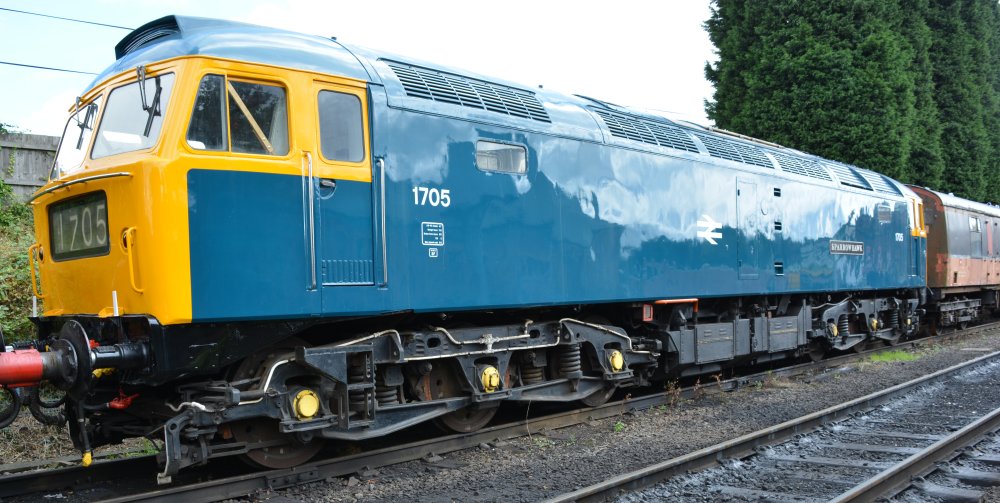
Introduction to the Class 47 List
When railway enthusiasts search for “Class 47 list,” they are usually looking for detailed information about the fleet numbers, subclasses, production batches, preserved units, and operational history of one of Britain’s most famous diesel locomotives. The Class 47 is not just a train; it is one of the largest and most successful diesel locomotive classes ever built for British Rail.
The term “Class 47 list” typically refers to a structured breakdown of locomotive numbers, subclass divisions, renumbering history, and status updates such as withdrawn, scrapped, exported, or preserved. Because 512 locomotives were built, tracking them requires careful organization. That is why enthusiasts, historians, and railway researchers often rely on detailed lists.
This article provides a complete expert guide to the Class 47 fleet list, including numbering systems, subclasses, operational changes, preservation records, and why this locomotive class remains so important in railway history.
Overview of British Rail Class 47
The Class 47 locomotive was introduced in the early 1960s during British Rail’s modernization program. Built between 1962 and 1968, a total of 512 units were produced. This made it one of the largest diesel classes in British railway history.
These locomotives were designed as versatile diesel-electric engines capable of hauling both passenger and freight trains. Their adaptability allowed them to operate across nearly every region of the UK rail network. Because of their flexibility, they became a backbone of railway operations for decades.
The Class 47 fleet list therefore covers a wide range of operational histories. Some units spent most of their lives on passenger services, others were freight specialists, and many were modified or renumbered during their lifespan.
Original Numbering System in the Class 47 List
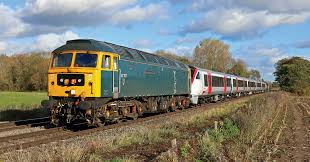
When first introduced, Class 47 locomotives were numbered in the D1500 to D1999 series. The “D” prefix indicated diesel traction. This numbering system was part of British Rail’s early diesel classification method before the TOPS system was implemented.
Under this original scheme, locomotives were sequentially numbered as they were produced. For example, the earliest units began in the D1500 range, while later builds reached up to D1999. This makes early fleet lists slightly different from modern references.
When railway researchers refer to historic Class 47 lists, they often show both original D-number references and later TOPS numbers. This dual-number format is important for understanding the locomotive’s full service record.
TOPS Renumbering and Modern Class 47 List Format
In the 1970s, British Rail introduced the TOPS (Total Operations Processing System) computer-based numbering system. Under TOPS, Class 47 locomotives were renumbered into the 47001 to 47512 series.
This renumbering created the familiar five-digit format used today. For example, D1500 became 47001 under TOPS. This standardized system made record-keeping more efficient and simplified fleet management.
Most modern Class 47 lists use the TOPS numbering system because it is clearer and aligns with later subclass divisions. However, historical documentation often includes both number formats for clarity.
Subclasses Within the Class 47 List
The Class 47 fleet was divided into subclasses to reflect technical differences and modifications. These subclasses are an essential part of any detailed Class 47 list.
The 47/0 subclass included standard freight and mixed-traffic locomotives. These were among the earliest units and formed the backbone of the fleet.
The 47/3 subclass was equipped with equipment for push-pull passenger services. The 47/4 subclass became particularly well known for passenger duties, featuring electric train heating systems and modified gearing for higher-speed services.
Later subclasses such as 47/7 and 47/8 reflected further modifications, often tailored for specific routes or operational requirements. Each subclass division is typically listed clearly in comprehensive fleet records.
Production Batches and Manufacturing Details
A complete Class 47 list also includes production batch information. Although most units were built by Brush Traction at Loughborough, variations occurred between production runs.
Early builds sometimes experienced reliability challenges with their Sulzer diesel engines. Later production units benefited from engineering improvements. As a result, enthusiasts often categorize locomotives by build batch when compiling detailed lists.
Production dates are typically recorded alongside fleet numbers in historical lists. This helps researchers track which locomotives were part of early modernization efforts and which belonged to later batches.
Operational Roles Reflected in the Class 47 List
Another important aspect of the Class 47 list is tracking operational roles. Some locomotives were primarily used for freight, while others were dedicated to passenger service.
Passenger-dedicated units often belonged to subclasses fitted with electric train heating systems. These locomotives worked on long-distance routes and cross-country services.
Freight-focused units hauled coal trains, steel wagons, oil tankers, and general freight. Detailed fleet lists often mention primary depots and regional assignments to provide context for each locomotive’s service history.
Withdrawals and Scrapping Records
As newer locomotives entered service, many Class 47 units were gradually withdrawn. A comprehensive Class 47 list includes withdrawal dates and scrapping details.
Some units were retired in the 1990s, while others continued into the 2000s under private operators. Lists often indicate whether a locomotive was scrapped, stored, exported, or preserved.
Tracking withdrawal data is particularly important for railway historians because it shows how long the class remained operational and which units had extended service lives.
Preservation Records in the Class 47 List
A significant portion of the Class 47 fleet survived into preservation. Many heritage railways and private owners maintain restored examples.
Preservation lists usually include locomotive number, preservation site, operational status, and restoration history. Some units are fully operational, while others are static exhibits.
The preserved fleet demonstrates the enduring popularity of Class 47 locomotives. Their survival rate is relatively high compared to other diesel classes of the same era.
Exported and Modified Units
Not all withdrawn Class 47 locomotives were scrapped. Some were exported for overseas use or heavily modified for specialist operations.
A complete Class 47 list often notes export destinations and conversion details. In certain cases, locomotives were rebuilt into new subclasses or upgraded with different engines.
These modifications add another layer of complexity to fleet records, making detailed lists essential for accurate documentation.
Why the Class 47 List Matters to Enthusiasts
For railway enthusiasts, the Class 47 list is more than just a collection of numbers. It represents decades of railway heritage and personal travel memories.
Photographers, model railway builders, and historians use fleet lists to track specific locomotives they have seen or recorded. Detailed lists allow enthusiasts to confirm dates, liveries, and operational roles.
Because 512 units were built, accurate documentation is crucial. Without structured lists, much of this rich history could become fragmented or lost.
Comparison With Other Fleet Lists
Compared to smaller locomotive classes, the Class 47 list is significantly more extensive. With over 500 units, it requires detailed categorization by subclass, depot allocation, and operational role.
Other locomotive classes may only have dozens of units, making their fleet lists shorter and simpler. The scale of the Class 47 fleet adds to its historical significance.
This large fleet size also explains why the Class 47 became such a dominant presence across Britain’s railway network.
Conclusion
The “Class 47 list” refers to the complete fleet documentation of one of Britain’s most important diesel locomotive classes. Covering original D-numbers, TOPS renumbering, subclass divisions, production batches, withdrawal records, and preservation status, the list provides a structured overview of 512 locomotives built between 1962 and 1968.
Understanding the Class 47 fleet list is essential for railway historians, enthusiasts, and researchers. It captures not only technical data but also the operational legacy of a locomotive class that defined an era of British rail transport.
Even decades after their introduction, Class 47 locomotives continue to inspire interest, ensuring that detailed fleet lists remain relevant and valuable resources.
FAQs
What does Class 47 list mean?
It refers to the complete fleet record of British Rail Class 47 locomotives, including numbers and subclasses.
How many locomotives are included in the Class 47 list?
A total of 512 locomotives were built and documented.
Why were Class 47 locomotives renumbered?
They were renumbered under the TOPS computer system for standardized fleet management.
Are any Class 47 locomotives still preserved?
Yes, many units are preserved and operate on heritage railways.
What information is included in a detailed Class 47 list?
It typically includes locomotive numbers, subclasses, production data, withdrawal dates, and preservation status.