
Introduction to the Colchester Rapid Transit System
The Colchester rapid transit system is one of the most talked-about transport proposals in Essex, and for good reason. It represents a bold vision to reshape how people move across Colchester, linking key residential areas, business districts, and educational hubs with a modern, efficient, and environmentally conscious transport network. While Colchester is known as Britain’s oldest recorded town, its transport challenges are very much modern: congestion, population growth, and the need for sustainable mobility. The rapid transit proposal aims to address all of these in a coordinated and forward-thinking way.
At its core, the Colchester rapid transit system is about more than just buses or dedicated lanes. It is about creating a structured network that feels permanent, reliable, and future-proof. Unlike traditional bus services that can change routes frequently, rapid transit is designed to offer clear corridors, consistent frequencies, and infrastructure that encourages long-term planning around it. That sense of permanence is critical because it shapes how people choose where to live, work, and invest.
The idea also reflects a broader shift in urban planning philosophy. Towns like Colchester are recognizing that simply expanding roads is not a sustainable long-term solution. Instead, integrated public transport systems can move more people efficiently while reducing emissions and improving quality of life. In that sense, the Colchester rapid transit system is part of a wider transformation in how mid-sized towns in the UK think about mobility.
Why Colchester Needs a Rapid Transit System
Colchester has grown significantly in recent decades. With new housing developments emerging on the outskirts and major employment centers such as business parks and retail complexes expanding, travel demand has increased sharply. Roads that once handled moderate traffic now experience peak-hour congestion that impacts productivity and daily life. Commuters often face delays, and bus reliability can suffer when vehicles are caught in general traffic.
Population growth adds further complexity. As new neighborhoods are built, especially in areas like the north and west of town, connecting residents efficiently to the town centre, railway stations, and employment zones becomes critical. Without a structured rapid transit system, the default option becomes private car usage, which intensifies congestion and parking pressure.
There is also a sustainability imperative. National and local climate targets require reductions in transport emissions. Road transport remains one of the largest contributors to carbon output. By introducing a rapid transit system that prioritizes low-emission or electric vehicles and encourages modal shift from cars to public transport, Colchester can make tangible progress toward its environmental commitments while improving air quality for residents.
Core Concept and Design Principles
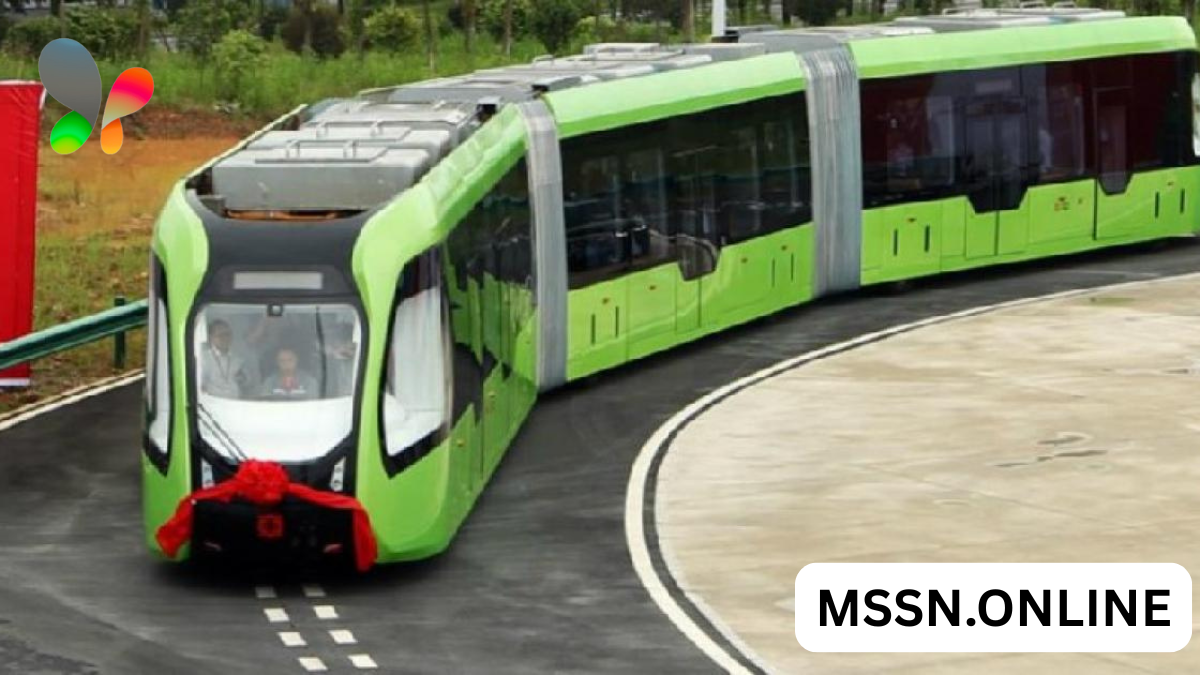
The Colchester rapid transit system is built around the principle of high-quality, bus-based rapid transit corridors. This means dedicated or priority lanes, enhanced stations rather than simple bus stops, and signal priority at junctions to minimize delays. The aim is to deliver a service that feels closer to light rail in reliability and speed but at a fraction of the cost.
One of the defining features of rapid transit systems worldwide is predictability. In Colchester’s case, this translates to clear routes that run frequently throughout the day, minimizing waiting times. High frequency reduces the psychological barrier to public transport use because passengers do not have to plan their journeys around rigid timetables. Instead, they can arrive at a stop knowing that a vehicle will arrive shortly.
Another core principle is integration. The system is not intended to operate in isolation but rather to connect seamlessly with existing rail services, local bus networks, cycling infrastructure, and pedestrian routes. This integrated approach ensures that rapid transit becomes the backbone of a wider mobility ecosystem rather than just another transport option layered onto existing systems.
Proposed Routes and Corridors
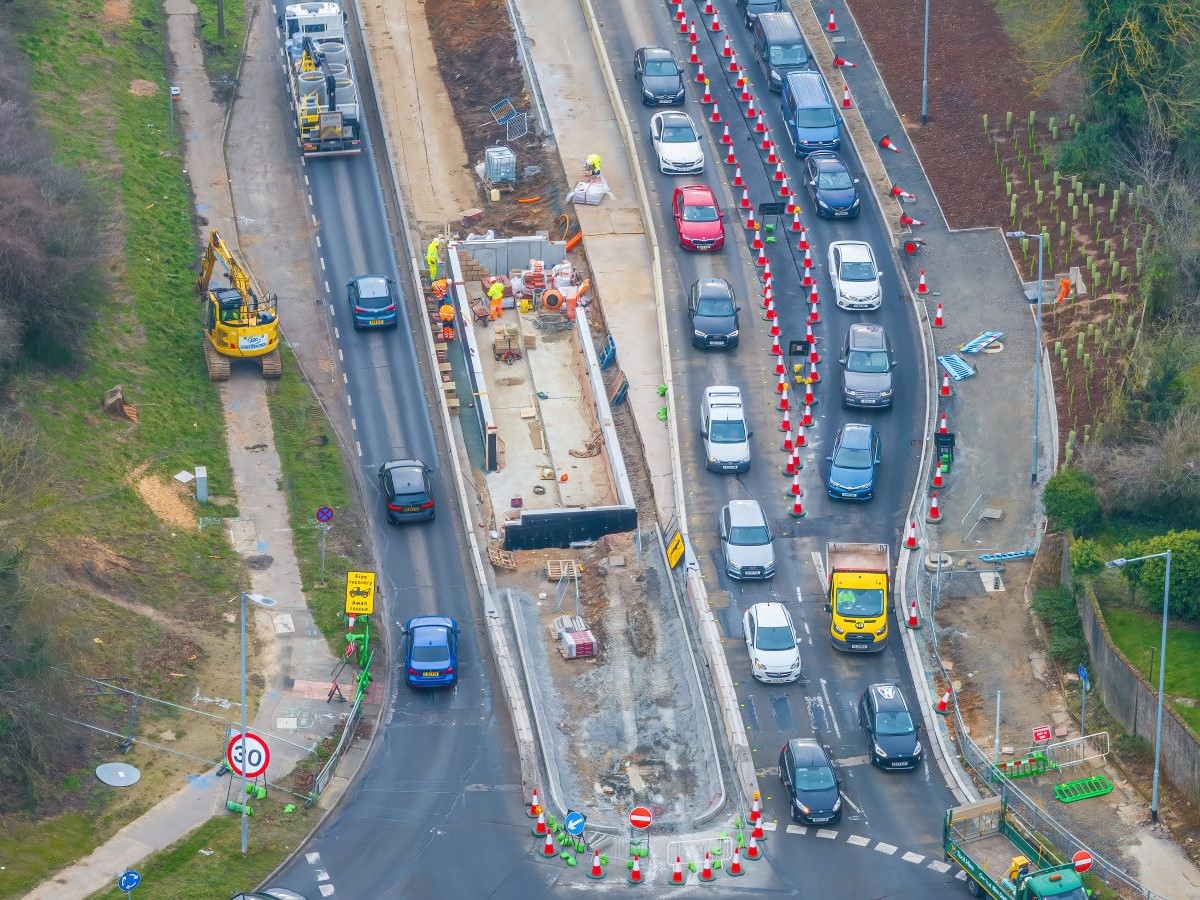
The proposed corridors for the Colchester rapid transit system are strategically designed to connect high-demand areas. While detailed alignments may evolve over time, the focus has been on linking major residential growth areas with the town centre, the University of Essex campus, railway stations, and key employment sites. This corridor-based approach ensures that the system serves both commuters and students effectively.
One likely emphasis is connectivity between the northern growth areas and central Colchester. As housing developments expand, rapid transit can provide a direct, high-capacity link that reduces dependency on private vehicles. Dedicated lanes in critical sections would help ensure consistent journey times even during peak traffic periods.
Another important corridor could connect the University of Essex with the town centre and railway stations. Students form a substantial proportion of Colchester’s population, and providing them with a fast, reliable transit option would not only improve mobility but also reduce car ownership among younger residents. These route strategies are carefully chosen to maximize ridership and long-term viability.
Infrastructure and Station Design
A defining characteristic of the Colchester rapid transit system is the emphasis on high-quality infrastructure. Stations are expected to be more substantial than standard bus stops, offering shelters, real-time information displays, accessible boarding platforms, and potentially ticketing machines. This design helps create a sense of permanence and comfort that encourages greater use.
Dedicated lanes or priority corridors form another critical infrastructure component. By separating rapid transit vehicles from general traffic wherever feasible, the system can maintain reliable schedules. In areas where full separation is not possible, signal priority at intersections would help vehicles move through junctions more efficiently than regular traffic.
Accessibility is also a fundamental design principle. Level boarding, clear signage, and inclusive station layouts ensure that the system can be used comfortably by people with mobility impairments, parents with strollers, and elderly passengers. Designing inclusively from the outset avoids costly retrofits and ensures that rapid transit truly serves the entire community.
Environmental Benefits and Sustainability
The environmental dimension of the Colchester rapid transit system is central to its rationale. By providing an attractive alternative to private car use, the system can reduce vehicle miles traveled across the town. This directly translates into lower greenhouse gas emissions and improved air quality, particularly in congested corridors.
The potential use of electric or hybrid buses further strengthens the environmental case. Modern electric buses produce zero tailpipe emissions and operate more quietly than diesel vehicles, reducing both pollution and noise levels. This is particularly beneficial in residential areas and near schools or healthcare facilities.
Beyond emissions, rapid transit encourages more sustainable urban development patterns. When reliable public transport is available, new housing and commercial developments can be planned around transit corridors, reducing the need for large parking facilities and promoting walkable neighborhoods. In this way, the rapid transit system influences not just transport but the overall shape of urban growth in Colchester.
Economic Impacts and Business Growth
Transport infrastructure has a profound impact on local economies, and the Colchester rapid transit system is no exception. By improving connectivity between residential areas and employment zones, the system enhances labor market accessibility. Businesses can draw from a wider pool of workers, and employees can access job opportunities more easily.
Reliable transport also supports retail and leisure sectors. When visitors can travel conveniently into the town centre without worrying about parking, footfall tends to increase. This benefits local shops, restaurants, and cultural venues. Rapid transit corridors can therefore act as economic arteries, sustaining vibrant commercial activity.
In addition, infrastructure projects themselves generate employment during construction and ongoing operations. While the primary aim is improved mobility, the secondary economic effects can be substantial. From contractors and engineers to drivers and maintenance staff, the system creates a range of direct and indirect job opportunities.
Community Engagement and Public Perception
Public acceptance is critical for any major transport project. The Colchester rapid transit system has involved consultation processes to gather feedback from residents, businesses, and stakeholders. Community engagement helps refine route alignments, station locations, and service patterns to better reflect local needs.
Concerns often arise around construction disruption, road space reallocation, and funding priorities. Addressing these transparently is essential. Clear communication about long-term benefits, environmental improvements, and economic gains can help build trust and support.
Over time, successful rapid transit systems tend to shift public perception positively. Once residents experience reliable, fast journeys and reduced congestion, skepticism often diminishes. The challenge lies in navigating the planning and implementation phases effectively so that early disruptions do not overshadow long-term advantages.
Funding and Implementation Challenges
Like all infrastructure projects, the Colchester rapid transit system faces financial considerations. Securing funding from local, regional, and national sources requires detailed business cases demonstrating cost-effectiveness and long-term value. Funding strategies may include government grants, local authority investment, and potential developer contributions linked to new housing projects.
Implementation also presents logistical challenges. Road space reallocation can be contentious, particularly in areas where existing traffic flows are already heavy. Balancing the needs of motorists, cyclists, pedestrians, and public transport users demands careful design and phased delivery.
Nevertheless, incremental implementation strategies can mitigate risks. Starting with priority corridors and gradually expanding the network allows the system to demonstrate success early on, building confidence among policymakers and the public alike.
Long-Term Vision and Future Expansion
The Colchester rapid transit system is not intended as a short-term fix but as a long-term framework for mobility. As population and travel demand continue to evolve, the system can be expanded with additional corridors or increased service frequencies. The underlying infrastructure creates a foundation for growth rather than a static solution.
Technological innovation will likely play a role in future development. Smart ticketing systems, integrated mobility apps, and real-time data analytics can enhance operational efficiency and user experience. The flexibility of bus-based rapid transit also allows for adaptation as technology changes.
Ultimately, the long-term vision is to create a town where public transport is not seen as a secondary option but as a primary, convenient choice. By embedding rapid transit into everyday life, Colchester can achieve a more balanced and sustainable transport system that supports both residents and businesses for decades to come.
Conclusion
The Colchester rapid transit system represents a forward-thinking response to the challenges of growth, congestion, and environmental responsibility. It combines infrastructure investment with strategic planning to create a network that is reliable, accessible, and sustainable. While implementation requires careful funding and community engagement, the long-term benefits are significant. By prioritizing efficient public transport corridors, Colchester positions itself as a town that values connectivity, quality of life, and responsible development. As plans progress, the rapid transit system has the potential to redefine how people experience movement across the town, making daily travel smoother, cleaner, and more predictable.
FAQs
What is the Colchester rapid transit system?
It is a proposed high-quality bus-based transit network designed to improve connectivity and reduce congestion in Colchester.
Why does Colchester need rapid transit?
Because population growth and congestion require a sustainable, reliable alternative to private car travel.
Will the system use electric buses?
The plan supports low-emission or electric vehicles to enhance environmental benefits.
How will rapid transit affect traffic?
It aims to reduce overall congestion by encouraging more people to use public transport.
Is the project funded yet?
Funding depends on government support, local investment, and detailed business case approvals.
Also read: China Colourful Mountains: The Complete Expert Guide to Nature’s Most Vibrant Masterpiece