
Introduction to Sidemount Diving
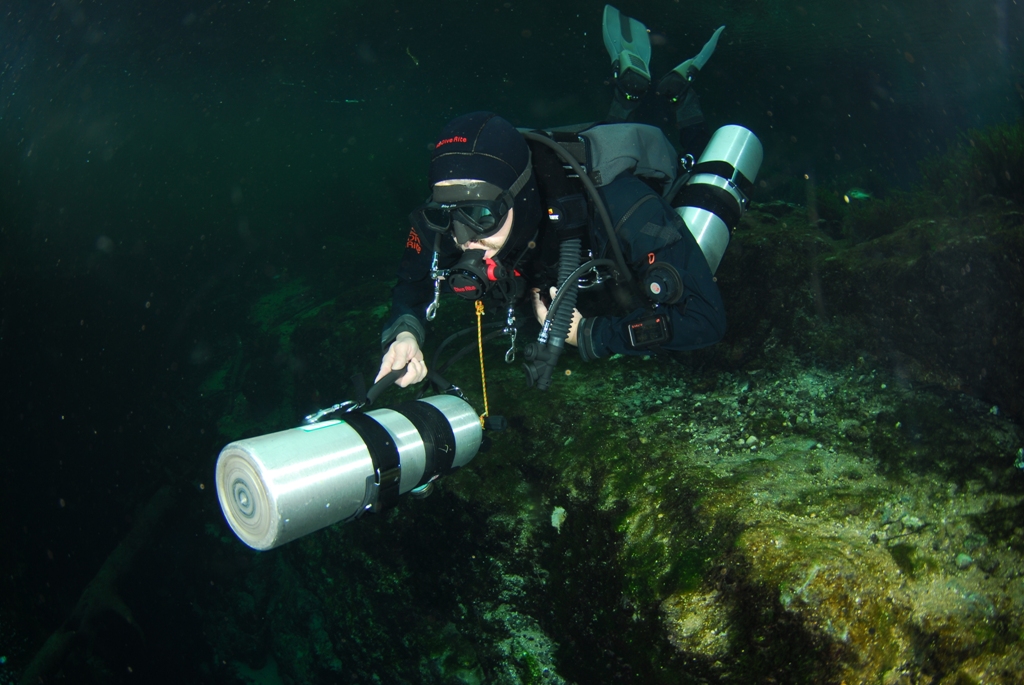
Sidemount diving is one of the most transformative developments in modern scuba diving. Unlike traditional back-mounted setups where cylinders are secured to the diver’s back, sidemount diving positions tanks along the diver’s sides, clipped beneath the arms. This configuration changes not only the way a diver looks underwater but also how they move, manage gas, and interact with their environment. What started as a practical solution for tight cave systems has evolved into a mainstream technique embraced by recreational and technical divers alike.
At its core, sidemount diving is about efficiency and control. By distributing weight more evenly and allowing for independent gas management, divers achieve a level of trim and balance that feels almost effortless. Many divers who switch from backmount to sidemount describe it as a “freedom upgrade.” The equipment feels less restrictive, and underwater movement becomes smoother and more intuitive. It is not just a configuration; it is a different philosophy of diving.
Over the past two decades, sidemount diving has moved from being a niche approach used primarily by cave explorers to a widely recognized specialty taught by major training organizations. Today, you will find sidemount divers exploring reefs, wrecks, caves, and even conducting technical decompression dives using this configuration. Its versatility is one of the biggest reasons for its rapid rise in popularity.
The Origins and Evolution of Sidemount Diving
Sidemount diving traces its roots back to cave diving communities in places like Florida and Mexico. Cave divers needed a solution for navigating tight passages where a bulky back-mounted cylinder could easily become an obstacle. By shifting tanks to their sides, they reduced their profile and improved maneuverability in restrictive environments. Early pioneers adapted gear creatively, using what was available rather than relying on purpose-built systems.
As cave exploration advanced, sidemount configurations became more refined. Harness systems were developed specifically for the technique, improving comfort and reliability. Innovators within the cave diving community shared best practices, which gradually filtered into broader technical diving circles. The method proved itself in some of the most demanding underwater environments imaginable.
Training agencies eventually recognized the advantages of sidemount diving and began offering dedicated courses. Organizations like PADI, SSI, and TDI developed structured programs that introduced recreational divers to the configuration. This formal recognition marked a turning point, transforming sidemount from an underground innovation into a mainstream specialty.
How Sidemount Diving Differs from Traditional Backmount
The most obvious difference between sidemount and backmount diving is cylinder placement. In backmount, tanks are secured to a buoyancy compensator device (BCD) on the diver’s back. In sidemount, cylinders are clipped to D-rings on the harness and positioned alongside the diver’s torso. This change in configuration significantly alters the diver’s center of gravity and trim.
Another major difference lies in gas management. In a standard backmount setup with a single tank, gas supply comes from one source. In sidemount diving, divers typically use two independent cylinders, each with its own regulator. This requires disciplined gas switching and monitoring but also introduces redundancy. If one regulator fails, the other cylinder remains fully accessible and functional.
Comfort and ergonomics are also noticeably different. Many divers report reduced strain on the lower back because the weight of the tanks is distributed more evenly. Additionally, sidemount tanks can be removed and handed up before climbing a ladder or boarding a boat, making entries and exits easier. For divers with back issues or those who prefer lighter individual loads, this is a significant advantage.
Equipment Used in Sidemount Diving
Sidemount diving requires specialized equipment, although some components overlap with traditional scuba gear. The harness is the foundation of the system. Unlike standard BCDs, sidemount harnesses are typically minimalist and modular, allowing divers to customize fit and attachment points. They include multiple D-rings for clipping cylinders securely.
The buoyancy wing in sidemount is positioned behind the diver, between the shoulder blades and lower back. It provides lift while maintaining a streamlined profile. Because tanks are mounted on the sides, the wing must be designed to avoid pushing the diver’s trim out of alignment. Modern sidemount wings are carefully shaped to keep buoyancy centered.
Each cylinder is equipped with its own regulator, pressure gauge, and mounting hardware. Bolt snaps are attached to both the top and bottom of the tank for secure clipping. Proper regulator routing is crucial to prevent hose entanglement and maintain a clean configuration. Many divers also use smaller, aluminum cylinders that become more buoyant as they empty, helping maintain trim throughout the dive.
Benefits of Sidemount Diving
One of the most significant benefits of sidemount diving is improved streamlining. With tanks tucked neatly along the body, the diver presents a slimmer profile to the water. This reduces drag and enhances efficiency, especially in current or confined environments. In caves and wrecks, the ability to reduce one’s profile can be the difference between smooth navigation and frustration.
Redundancy is another major advantage. Because each cylinder operates independently, sidemount divers inherently have a backup gas supply. This built-in redundancy makes the configuration particularly appealing for technical diving, where reliability and safety margins are critical. Even in recreational settings, the added peace of mind is valuable.
Comfort and adaptability also stand out. Sidemount systems are highly adjustable, making them suitable for divers of different body types. The modular nature of the harness allows for fine-tuning, ensuring optimal trim and balance. Many divers find that once properly configured, sidemount feels more natural and less restrictive than traditional setups.
Challenges and Considerations
While sidemount diving offers numerous benefits, it is not without challenges. Proper training is essential. Gas switching between cylinders must be done methodically to maintain balanced consumption. Failing to alternate regulators can result in uneven gas depletion, which can affect trim and reduce redundancy.
Equipment configuration requires careful setup and practice. Small adjustments in D-ring placement or hose routing can significantly impact comfort and performance. New sidemount divers often spend time fine-tuning their gear to achieve the perfect fit. This learning curve can be frustrating for those accustomed to plug-and-play backmount systems.
Boat diving logistics can also pose challenges. On crowded dive boats, sidemount setups may draw attention or confusion from crew members unfamiliar with the configuration. However, as sidemount becomes more common, these challenges are steadily diminishing. Clear communication and proper preparation usually resolve any logistical concerns.
Training and Certification Pathways
Most major training agencies now offer sidemount specialty courses. Recreational sidemount training focuses on equipment setup, trim, buoyancy control, and gas management. Divers learn how to assemble and configure their harness, clip cylinders correctly, and perform regulator switches safely.
For those interested in advanced diving, sidemount is often integrated into technical courses. Decompression procedures, extended range diving, and cave training frequently incorporate sidemount configurations. The technique’s inherent redundancy and flexibility make it well-suited for complex dive plans.
Choosing a qualified instructor is crucial. Sidemount diving is highly configuration-dependent, and experienced instructors can provide valuable insights into proper setup. A good course emphasizes not just theory but also extensive in-water practice to build muscle memory and confidence.
Sidemount Diving in Cave Exploration
Cave diving is where sidemount truly shines. In tight passages where overhead environments restrict movement, the slim profile of sidemount allows divers to pass through areas that would be inaccessible with back-mounted doubles. Tanks can be unclipped and pushed ahead if necessary, further reducing the diver’s profile.
Gas management in cave diving is critical. The rule of thirds, commonly used in overhead environments, is easier to apply when managing two independent cylinders. Sidemount divers can monitor each tank separately, ensuring precise adherence to safety protocols.
The evolution of cave diving techniques has been closely linked with advancements in sidemount systems. Modern cave divers rely on streamlined harnesses, high-quality regulators, and disciplined procedures. The configuration has enabled exploration of previously unreachable cave systems, expanding the boundaries of underwater discovery.
Wreck and Technical Diving Applications
Sidemount diving is equally effective in wreck exploration. Narrow corridors, collapsed structures, and tight entry points often require a reduced profile. The ability to remove and reposition tanks makes sidemount particularly useful in penetrating confined wreck interiors.
In technical diving, sidemount offers flexibility for carrying multiple gas mixes. Stage bottles can be clipped alongside primary cylinders, allowing for efficient gas transitions during decompression dives. This modularity simplifies complex dive planning.
Technical sidemount divers must maintain exceptional discipline. Decompression obligations, gas switches, and equipment redundancy require thorough preparation. However, for many advanced divers, sidemount represents the ideal blend of safety, adaptability, and performance.
Comparing Sidemount and Backmount for Recreational Divers
For purely recreational divers who stay within no-decompression limits, the choice between sidemount and backmount often comes down to personal preference. Backmount systems are widely available, familiar to dive operators, and simple to manage. They remain the default configuration for most entry-level divers.
Sidemount, however, offers advantages even in recreational settings. Improved trim can lead to better buoyancy control and reduced environmental impact on reefs. The ability to remove tanks individually can make shore entries and exits more manageable.
Ultimately, the decision depends on diving goals. Divers interested in progressing toward technical or cave diving often choose sidemount early to build familiarity. Others simply prefer the comfort and balance it provides. Both configurations are valid; the key is proper training and practice.
Equipment Maintenance and Best Practices
Maintaining sidemount equipment requires attention to detail. Regulators should be serviced regularly, and bolt snaps must be inspected for wear or corrosion. Because cylinders are clipped and unclipped frequently, attachment points endure more stress than in backmount setups.
Hose routing should be checked before every dive. Clean, streamlined configurations reduce the risk of entanglement and improve overall performance. Divers should also verify that D-rings and harness webbing remain secure and properly positioned.
Consistent practice is essential. Skills such as regulator switching, valve shutdown drills, and buoyancy adjustments should become second nature. Like any advanced diving technique, proficiency comes from repetition and deliberate refinement.
The Future of Sidemount Diving
Sidemount diving continues to evolve. Equipment manufacturers are developing lighter, more ergonomic harness systems and wings. Innovations in materials and design are improving durability while maintaining minimalism. As more divers adopt the configuration, product options are expanding rapidly.
Training standards are also advancing. Instructors now emphasize not only technical proficiency but also environmental awareness and efficiency. Sidemount’s streamlined nature aligns well with sustainable diving practices, reducing accidental contact with fragile ecosystems.
Looking ahead, sidemount diving is likely to become even more mainstream. As divers seek greater comfort, redundancy, and adaptability, the configuration offers compelling advantages. What began as a niche cave-diving solution has become a respected and widely embraced approach to underwater exploration.
Conclusion
Sidemount diving represents a significant shift in how divers think about equipment, movement, and safety underwater. By positioning cylinders along the sides rather than on the back, divers gain improved trim, built-in redundancy, and enhanced flexibility. The configuration’s origins in cave exploration highlight its practicality in challenging environments.
While the learning curve may be steeper than traditional backmount setups, the rewards are substantial. With proper training and disciplined practice, sidemount divers achieve a level of control and comfort that transforms the diving experience. Whether exploring coral reefs, penetrating shipwrecks, or navigating intricate cave systems, sidemount provides a powerful and adaptable solution.
As the diving community continues to innovate, sidemount stands as a testament to the value of creativity and problem-solving in underwater exploration. It is more than just a configuration; it is a philosophy centered on efficiency, safety, and freedom beneath the surface.
FAQs
What is sidemount diving?
Sidemount diving is a scuba configuration where cylinders are mounted along the diver’s sides instead of on the back.
Is sidemount diving safer than backmount?
It offers built-in gas redundancy, but safety depends on proper training and disciplined procedures.
Can beginners learn sidemount diving?
Yes, many training agencies offer sidemount specialty courses for certified recreational divers.
Why is sidemount popular in cave diving?
Its slim profile and tank flexibility make it ideal for navigating tight overhead environments.
Do I need special equipment for sidemount diving?
Yes, a dedicated sidemount harness, wing, and cylinder mounting hardware are required.
Is sidemount good for technical diving?
Yes, it is widely used in technical and decompression diving due to its flexibility and redundancy.
Does sidemount require two tanks?
Typically yes, as two independent cylinders provide balance and redundancy.
Is sidemount more comfortable than backmount?
Many divers find it more comfortable due to better weight distribution and reduced back strain.
Also read :Forced Heating and Air: The Complete Expert Guide to Comfort, Efficiency, and Smart Climate Control