
Introduction to Blantyre Prison
Blantyre Prison is one of the most well-known correctional institutions associated with the justice system of Malawi. Located in the major commercial city of Blantyre, the facility plays a critical role in the country’s correctional infrastructure. Like many prisons around the world, it is designed to serve multiple purposes including incarceration, rehabilitation, and maintaining public safety. However, Blantyre Prison has its own unique story shaped by history, social change, and the evolving philosophy of corrections.
Understanding the role of Blantyre Prison requires looking beyond the walls and security structures. A prison is not only a place where individuals serve sentences; it is also a reflection of society’s approach to justice, discipline, and rehabilitation. In Malawi, correctional institutions such as Blantyre Prison operate under the Malawi Prison Service, which is responsible for managing inmates and ensuring the lawful execution of court sentences.
Over the years, Blantyre Prison has drawn attention from journalists, human rights organizations, policymakers, and researchers. Discussions surrounding the prison often focus on issues such as overcrowding, prisoner welfare, security, and reform initiatives. These conversations highlight the broader challenges that correctional systems face across the developing world.
Another important aspect of Blantyre Prison is its relationship with the surrounding community. Prisons do not exist in isolation. They interact with legal institutions, law enforcement agencies, and the public. Families visit incarcerated individuals, legal representatives attend hearings, and staff members work daily to maintain order and safety.
For many people, the term “prison” carries a negative image associated with punishment and confinement. However, modern correctional philosophy increasingly emphasizes rehabilitation and reintegration. Institutions like Blantyre Prison are gradually adapting to these changing perspectives by implementing educational programs, vocational training, and behavioral reform initiatives.
In this article, we will explore the history, structure, challenges, and social impact of Blantyre Prison. By examining these aspects in depth, readers can gain a clearer understanding of the institution and its role in Malawi’s justice system.
Historical Background of Blantyre Prison

The origins of Blantyre Prison can be traced back to the colonial era when British administrators established correctional facilities in Malawi, then known as Nyasaland. During this period, prisons were primarily designed to enforce colonial laws and maintain administrative control. Facilities were often basic and focused heavily on discipline rather than rehabilitation.
As Blantyre grew into a major urban center, the need for a structured correctional facility became more pressing. Authorities constructed Blantyre Prison to serve as a central detention and correction center for the southern region of the country. Over time, the prison expanded to accommodate increasing numbers of inmates as the population grew and legal systems evolved.
Following Malawi’s independence in 1964, the correctional system underwent several reforms aimed at aligning prison administration with national policies. Blantyre Prison became part of a broader network of institutions managed by the Malawi Prison Service. These reforms attempted to modernize prison management and introduce more humane approaches to incarceration.
Despite these changes, many colonial-era structures and policies remained in place for decades. The prison infrastructure itself reflected older architectural designs, with high walls, narrow corridors, and limited living space. This legacy has contributed to ongoing challenges such as overcrowding and facility maintenance.
In the decades after independence, the Malawian government began exploring ways to improve prison conditions and incorporate rehabilitation programs. Blantyre Prison gradually introduced educational opportunities, religious services, and vocational training initiatives designed to help inmates reintegrate into society after release.
Human rights groups have also played a role in highlighting conditions within the prison. Their reports have encouraged dialogue about reform, transparency, and the need for better resources. These discussions have shaped policy debates around prison management and inmate welfare.
Today, Blantyre Prison stands as both a historical institution and a modern correctional facility. Its past reflects colonial governance, while its present illustrates the ongoing effort to balance security with rehabilitation and human rights considerations.
Location and Physical Structure of Blantyre Prison
Blantyre Prison is located in Blantyre, Malawi’s largest commercial city and one of the most important economic centers in the country. The city’s strategic location makes the prison accessible to courts, police stations, and administrative offices. This proximity allows for smoother coordination between legal authorities and correctional staff.
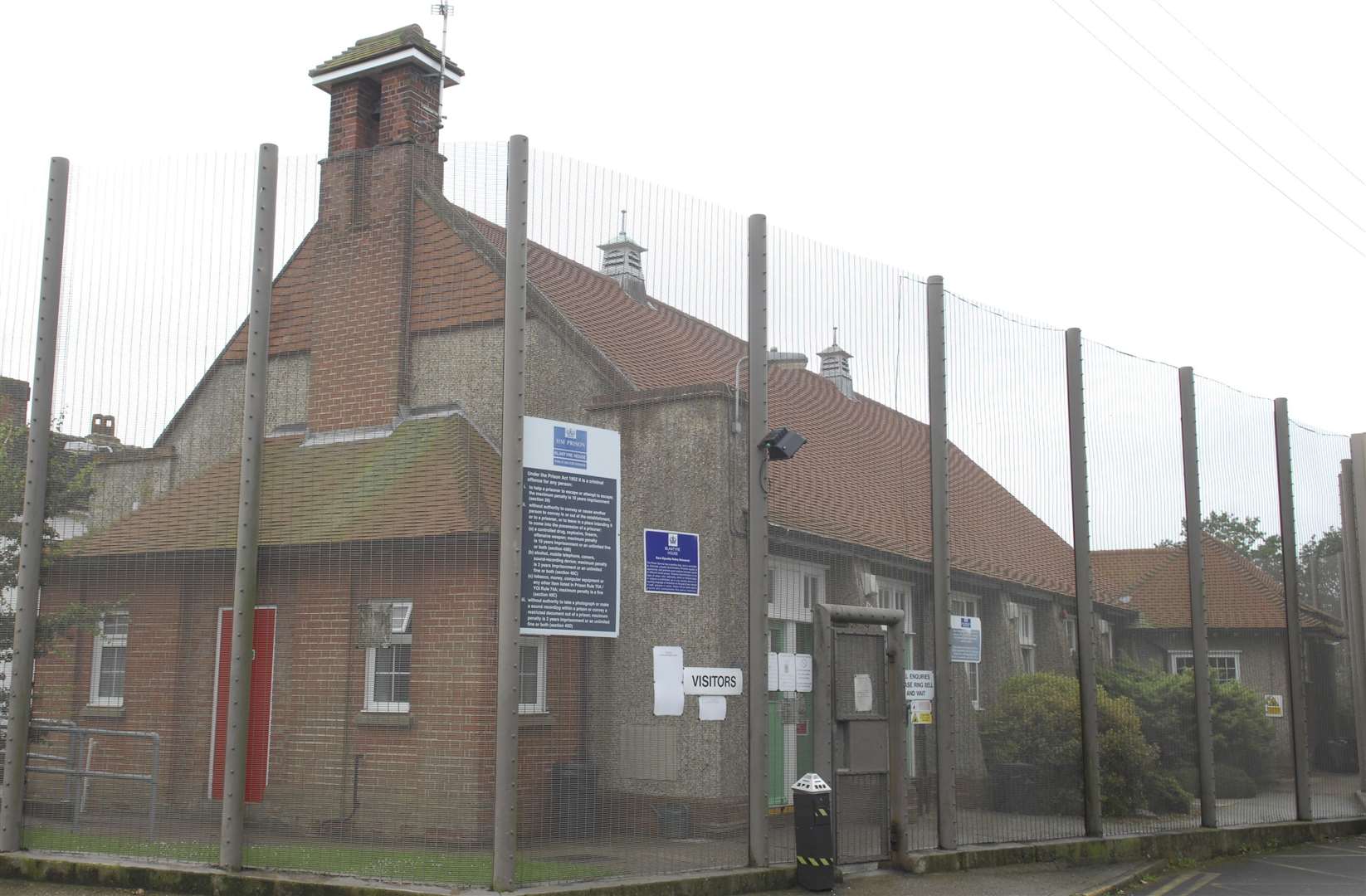
The prison complex is typically surrounded by high security walls designed to prevent unauthorized entry and escape attempts. Guard towers, reinforced gates, and controlled access points form part of the security infrastructure. These features are standard in correctional facilities and help maintain order within the institution.
Inside the prison, the layout generally includes multiple sections designated for different categories of inmates. There may be areas for remand prisoners awaiting trial, convicted prisoners serving sentences, and specialized units for individuals requiring additional supervision. This organizational structure helps staff manage inmates effectively.
Cells and dormitory-style sleeping areas make up the majority of the housing facilities. Depending on the prison’s capacity and resources, inmates may be housed in shared spaces rather than individual cells. While this arrangement is common in many developing countries, it can contribute to overcrowding challenges.
Administrative offices, medical units, kitchens, and visitation areas are also essential components of the facility. These spaces allow prison staff to carry out daily operations such as record keeping, health services, and communication with inmates’ families.
The physical condition of Blantyre Prison has been the subject of public discussion over the years. Some sections of the facility date back several decades and require renovation or modernization. Efforts to improve infrastructure have included repairs, expansion projects, and better sanitation facilities.
Despite these challenges, the prison remains a key institution within Malawi’s correctional system. Its physical structure reflects both the historical roots of the facility and the ongoing efforts to adapt it to modern correctional standards.
Administration and Management
Blantyre Prison operates under the authority of the Malawi Prison Service, a government agency responsible for the management of correctional institutions throughout the country. This organization oversees staff training, inmate management, security protocols, and rehabilitation programs.
The prison is typically led by a senior officer known as a prison officer-in-charge or superintendent. This individual is responsible for coordinating daily operations, supervising staff members, and ensuring that the institution follows national regulations and policies.
Correctional officers play a crucial role in maintaining order and safety within the prison. Their responsibilities include supervising inmates, conducting security checks, escorting prisoners to court appearances, and managing visitation procedures. Their work requires discipline, patience, and strong communication skills.
Administrative staff handle documentation, inmate records, and legal paperwork. Accurate record-keeping is essential in a prison environment because it ensures that sentences are properly administered and that inmates’ legal rights are respected.
Medical personnel are also an important part of the management structure. Healthcare workers provide treatment for illnesses, monitor inmate health, and coordinate with hospitals when specialized care is required. Maintaining adequate healthcare services within the prison is critical for both humanitarian and public health reasons.
The management team must also coordinate with external agencies such as courts, police departments, and social services. This collaboration ensures that the prison functions as part of the broader justice system rather than an isolated institution.
Over time, administrators at Blantyre Prison have introduced policies designed to improve transparency and accountability. Training programs for staff members emphasize professionalism, ethical conduct, and respect for human rights.
The success of any correctional facility depends heavily on effective leadership and cooperation among staff members. In Blantyre Prison, administrators strive to balance strict security measures with the need to support rehabilitation and humane treatment.
Daily Life Inside Blantyre Prison
Life inside Blantyre Prison follows a structured routine designed to maintain order and discipline. Inmates typically wake early in the morning and begin their day according to a schedule set by prison authorities. This routine helps reduce chaos and ensures that essential activities are carried out efficiently.
Morning roll calls are often conducted to account for all inmates and confirm that security conditions are stable. Following this, prisoners may participate in cleaning duties or maintenance work within the facility. Keeping the environment clean is important for hygiene and health.
Meals are served at designated times throughout the day. The prison kitchen prepares food for the inmate population, often based on available resources and government allocations. Nutrition and food quality can vary depending on funding and supply conditions.
Work programs are another common feature of daily life in correctional facilities. Inmates may participate in activities such as carpentry, agriculture, or maintenance tasks. These programs help prisoners develop practical skills while contributing to the operation of the institution.
Educational and religious programs may also be available. Some inmates attend literacy classes or vocational training workshops that aim to improve their prospects after release. Religious services provide spiritual support and opportunities for reflection.
Visitation days allow family members and legal representatives to meet with inmates. These visits play an important role in maintaining emotional connections and ensuring that prisoners remain in contact with the outside world.
Evenings typically involve another roll call before inmates return to their sleeping areas. Security checks continue throughout the night to ensure the safety of both prisoners and staff members.
Daily life inside Blantyre Prison can be challenging, but structured routines help maintain stability within the institution.
Rehabilitation and Reform Programs
Modern correctional systems increasingly emphasize rehabilitation rather than punishment alone. Blantyre Prison has gradually adopted programs aimed at helping inmates prepare for life after incarceration.
Educational initiatives are a key component of these efforts. Literacy classes and basic education courses allow prisoners to improve their reading and writing skills. Education not only enhances personal development but also increases employment opportunities after release.
Vocational training programs teach practical skills such as carpentry, tailoring, or farming. These skills can help former inmates earn a living and reintegrate into society. Learning a trade also provides a sense of purpose and self-confidence.
Counseling services may be available for inmates dealing with substance abuse, trauma, or behavioral challenges. Addressing these underlying issues is essential for reducing the likelihood of reoffending.
Religious organizations and community groups sometimes partner with prisons to provide support programs. These partnerships bring additional resources and volunteers into the institution.
Rehabilitation initiatives often face limitations due to funding constraints and overcrowding. Nevertheless, prison authorities and partner organizations continue to advocate for expanded programs that can benefit both inmates and society.
Challenges Facing Blantyre Prison
Like many correctional facilities in developing countries, Blantyre Prison faces a range of challenges. One of the most widely discussed issues is overcrowding. The number of inmates often exceeds the facility’s intended capacity, leading to cramped living conditions.
Overcrowding can create additional problems such as limited access to healthcare, sanitation difficulties, and increased tension among inmates. Managing a large population within a confined space requires careful planning and effective supervision.
Another challenge involves limited resources. Correctional facilities depend on government funding for food, medical care, maintenance, and staff salaries. When budgets are tight, prison administrators must find creative ways to meet the needs of the inmate population.
Infrastructure maintenance is also a concern. Older prison buildings require regular repairs and upgrades to ensure safety and functionality. Without proper maintenance, facilities may deteriorate over time.
Staffing shortages can further complicate prison management. Correctional officers must supervise inmates, maintain security, and handle administrative tasks. When there are not enough trained personnel, the workload becomes more demanding.
Despite these difficulties, ongoing reform discussions continue to focus on improving prison conditions and strengthening rehabilitation efforts.
The Role of Blantyre Prison in the Justice System
Blantyre Prison serves as a critical component of Malawi’s justice system. Courts rely on correctional facilities to enforce sentences and ensure that individuals who have violated the law are held accountable.
The prison also houses remand prisoners who are awaiting trial or legal decisions. These individuals remain in custody until their cases are resolved in court. Managing both convicted and remand prisoners requires careful organization.
Correctional institutions contribute to public safety by separating individuals who have committed serious offenses from the broader community. At the same time, prisons provide an environment where rehabilitation and reform can take place.
Blantyre Prison also works closely with law enforcement agencies and the judiciary. Prison staff coordinate with police officers during prisoner transfers and with courts during hearings and appeals.
Through these functions, the prison plays an essential role in maintaining the rule of law and supporting the justice system in Malawi.
Future Prospects and Reforms
Looking ahead, the future of Blantyre Prison will likely involve continued reforms aimed at improving conditions and expanding rehabilitation opportunities. Policymakers and human rights organizations have emphasized the importance of modernizing prison infrastructure.
New initiatives may include building additional facilities to reduce overcrowding and introducing advanced training programs for prison staff. Improving staff capacity can enhance both security and inmate welfare.
Technological improvements such as digital record-keeping and surveillance systems may also contribute to more efficient management. These tools help administrators track inmate information and monitor facility operations.
Community involvement is another important aspect of future reform. Partnerships with non-governmental organizations, educational institutions, and religious groups can provide additional support for rehabilitation programs.
Ultimately, the long-term goal is to create a correctional system that balances justice, security, and human dignity. Blantyre Prison will continue to evolve as part of this broader effort to strengthen Malawi’s legal and social institutions.
Conclusion
Blantyre Prison represents a significant part of Malawi’s correctional system and reflects the country’s ongoing efforts to manage justice, security, and rehabilitation. From its colonial origins to its modern role within the Malawi Prison Service, the institution has undergone many changes while continuing to serve as a central detention facility in the southern region.
The prison’s operations involve far more than confinement. Administrators, correctional officers, medical personnel, and support staff all contribute to maintaining order and ensuring that inmates are treated according to legal standards. Their work demonstrates the complexity of managing a correctional institution in a rapidly changing society.
Challenges such as overcrowding, limited resources, and aging infrastructure remain significant issues. However, reform initiatives and increased awareness of human rights concerns have encouraged ongoing dialogue about improving prison conditions.
Rehabilitation programs, educational opportunities, and vocational training represent important steps toward reducing recidivism and supporting reintegration. By equipping inmates with skills and knowledge, correctional facilities can help former prisoners become productive members of society.
Blantyre Prison’s future will depend on continued investment, policy reform, and community engagement. As Malawi continues to develop its justice system, institutions like Blantyre Prison will remain central to discussions about law, accountability, and social progress.
FAQs
What is Blantyre Prison?
Blantyre Prison is a correctional facility located in Blantyre, Malawi, that houses inmates and supports the country’s justice system.
Where is Blantyre Prison located?
Blantyre Prison is located in the city of Blantyre, one of Malawi’s largest and most important commercial centers.
Who manages Blantyre Prison?
The prison is managed by the Malawi Prison Service, the government agency responsible for correctional institutions.
What challenges does Blantyre Prison face?
Common challenges include overcrowding, limited resources, infrastructure maintenance, and staffing constraints.
Does Blantyre Prison offer rehabilitation programs?
Yes, the prison provides educational, vocational, and counseling programs aimed at helping inmates reintegrate into society.
Also read:Hixson Tennessee Zip Code: Complete Guide to Location, Community, and Living in Hixson TN