
Introduction to UK Cheese Types
The United Kingdom has one of the richest and most diverse cheese traditions in the world. From crumbly territorial cheeses to creamy soft varieties, UK cheese types represent centuries of craftsmanship, regional culture, and agricultural heritage. Cheese making in Britain dates back hundreds of years, with many traditional methods still preserved today by artisan producers and family-run dairies.
British cheeses are unique because they are often closely tied to the land where they are produced. Different climates, grasses, and animal breeds influence flavor and texture. For example, cheeses produced in lush pasture regions often have richer and more buttery flavors, while those made in hillier or drier regions can be firmer and more intense.
Another reason UK cheese types stand out is their incredible variety. While many people know Cheddar, the UK produces hundreds of cheeses across categories such as hard, soft, blue, fresh, and washed-rind cheeses. Each type offers its own flavor profile and culinary use, making British cheese an important part of both traditional and modern cuisine.
The History of Cheese Making in the United Kingdom
Cheese making in Britain began thousands of years ago, with evidence suggesting that early settlers were producing simple cheeses as far back as the Bronze Age. Early cheese making was primarily a way to preserve milk for longer periods, particularly during times when fresh milk was not readily available. Over time, different regions developed their own cheese styles based on local traditions and resources.
During the medieval period, monasteries played a significant role in developing cheese-making techniques. Monks experimented with different methods of aging, pressing, and flavoring cheeses. Many of the cheeses we know today, including varieties similar to Cheddar and Cheshire, began evolving during this period.
By the 18th and 19th centuries, British cheese production had become more organized and commercialized. Cheddar cheese, in particular, gained international recognition and became one of the most widely exported cheeses in the world. Today, while large-scale cheese production still exists, there has also been a resurgence of artisan cheesemakers who focus on traditional methods and high-quality ingredients.
What Makes UK Cheese Unique
One of the defining characteristics of UK cheese types is their connection to regional identity. Many cheeses are named after the places where they originated, such as Cheddar from Somerset or Wensleydale from Yorkshire. These cheeses often have Protected Designation of Origin (PDO) status, meaning they must be produced in a specific location using traditional methods.
The quality of milk used in British cheese also contributes to its uniqueness. Many UK cheeses are made from cow’s milk, but sheep and goat milk cheeses are also common. The natural grazing environments of British livestock produce milk with rich flavors that translate into complex cheeses.
Another unique aspect is the aging process. British cheesemakers have perfected the art of aging cheeses in caves, cellars, and special maturation rooms. Aging can range from a few weeks to several years, and it dramatically affects the cheese’s flavor, texture, and aroma.
Categories of UK Cheese Types
British cheeses can generally be divided into several main categories based on texture and production method. Understanding these categories helps in identifying the wide range of cheeses produced across the UK.
Hard cheeses are among the most well-known. These cheeses are typically aged for longer periods, which results in a firm texture and concentrated flavor. Cheddar is the most famous example, but there are many others.
Soft cheeses are another popular category. These cheeses have higher moisture content and often feature creamy textures and mild flavors. They are typically consumed fresh or after short aging periods.
Blue cheeses represent another important category in British cheese culture. These cheeses are known for their distinctive veins of blue mold, which give them strong flavors and unique aromas.
Cheddar: The Most Famous UK Cheese
Cheddar is without a doubt the most famous cheese associated with the United Kingdom. Originating from the village of Cheddar in Somerset, this cheese has become one of the most widely consumed cheeses worldwide. Despite its global popularity, authentic British Cheddar still maintains traditional production techniques that give it a distinctive taste.
Cheddar is known for its firm texture and sharp flavor. Young Cheddar tends to be mild and creamy, while aged Cheddar can become intensely sharp and crumbly. The aging process can last anywhere from a few months to several years, with longer aging producing deeper flavors.
The cheese-making process for Cheddar includes a unique step called “cheddaring.” This process involves stacking and turning slabs of curd to remove excess moisture and develop the cheese’s signature texture. The result is a dense cheese with a rich and tangy flavor that works well in both cooking and snacking.
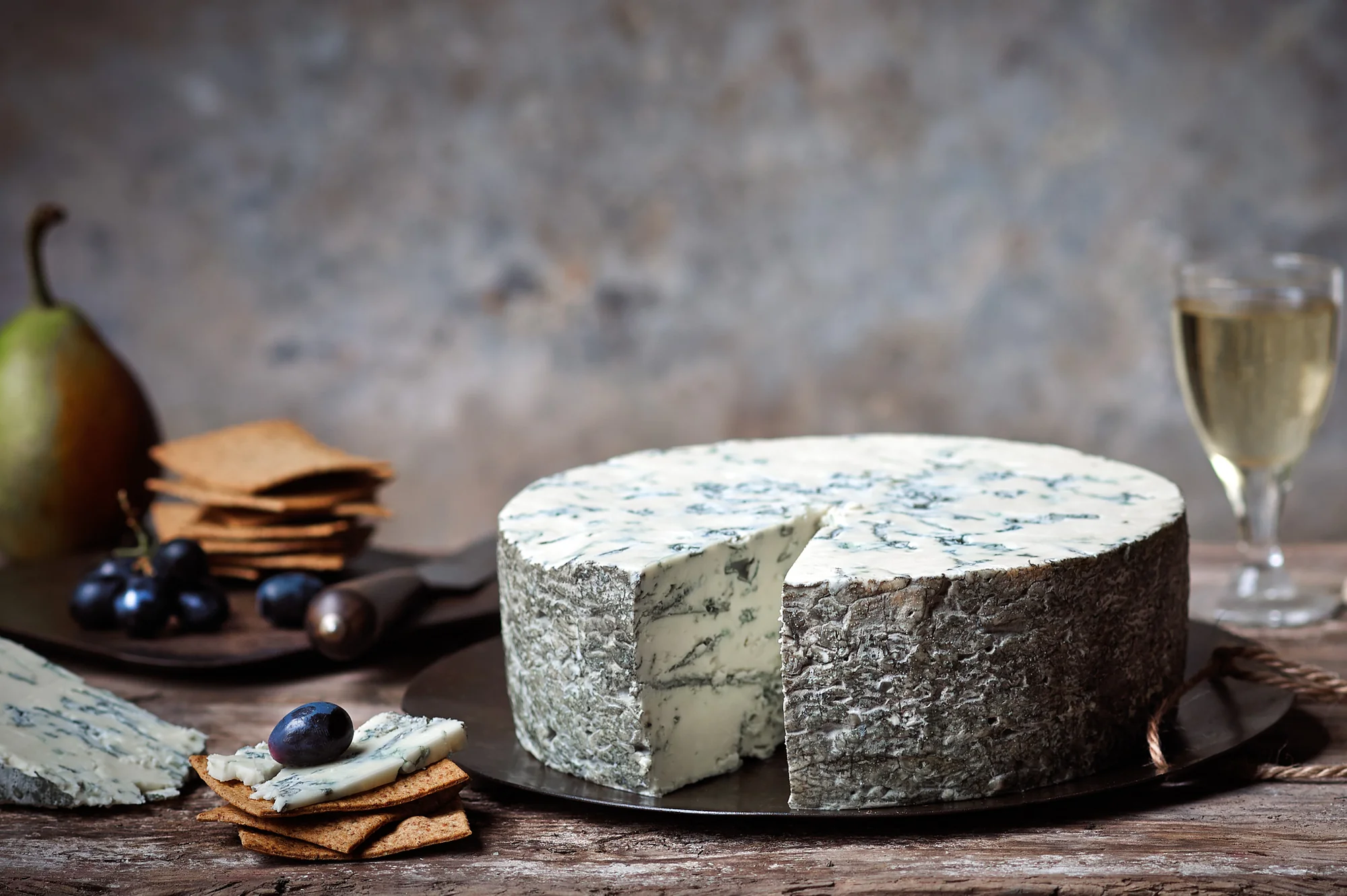
Stilton: The King of English Blue Cheeses
Stilton is often referred to as the “King of English cheeses,” particularly among blue cheese varieties. Produced in specific counties in England, Stilton has a protected status that ensures it is made using traditional methods.
This cheese is known for its creamy texture and bold flavor. The blue veins that run through the cheese are created by introducing specific cultures during production. These cultures develop as the cheese ages, creating the distinctive marbled appearance.
Stilton is commonly enjoyed with crackers, bread, or fruit. It is also famously paired with port wine during holiday celebrations. The combination of creamy texture and complex flavor makes Stilton one of the most respected cheeses in the UK.
Wensleydale: A Classic Yorkshire Cheese
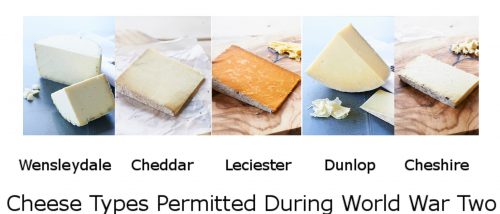
Wensleydale cheese originates from the Yorkshire Dales and is known for its crumbly texture and fresh, slightly tangy flavor. The cheese was originally developed by Cistercian monks in the region during the medieval period.
Unlike many aged cheeses, traditional Wensleydale has a relatively mild taste. Its crumbly texture makes it easy to slice or break apart, and it pairs well with fruits such as apples and cranberries.
In modern times, flavored versions of Wensleydale have become popular. These include varieties mixed with cranberries, apricots, or herbs. While these variations are newer, they have helped introduce the cheese to a broader audience.
Cheshire Cheese: One of Britain’s Oldest Cheeses
Cheshire cheese is believed to be one of the oldest recorded cheeses in British history. Historical references to Cheshire cheese date back to Roman times, making it one of the earliest documented cheeses in the UK.
The cheese is known for its crumbly texture and slightly salty taste. Compared to Cheddar, Cheshire is typically moister and milder. It can range in color from white to orange, depending on how it is produced.
Cheshire cheese is commonly used in traditional British dishes such as cheese and onion pies. Its balance of saltiness and creaminess makes it a versatile ingredient in cooking.
Red Leicester: A Rich and Colorful Cheese
Red Leicester is a distinctive British cheese known for its vibrant orange color and nutty flavor. The color traditionally comes from natural coloring agents added during production.
The cheese has a firm yet slightly crumbly texture. It is aged for several months, allowing its flavor to develop into a rich and slightly sweet profile.
Red Leicester is often used in sandwiches, cheese boards, and cooked dishes. Its bright appearance and bold taste make it a favorite among many cheese lovers.
Lancashire Cheese: Creamy and Tangy
Lancashire cheese is another traditional British cheese with a long history. It is typically produced in three different styles: creamy, tasty, and crumbly Lancashire.
Creamy Lancashire is aged for a shorter period, resulting in a soft and mild cheese. Tasty Lancashire is aged longer, which creates a stronger flavor.
The cheese is often used in traditional Lancashire hotpot and other regional dishes. Its tangy flavor adds depth to both savory meals and cheese platters.
Double Gloucester: Smooth and Buttery
Double Gloucester is a semi-hard cheese known for its smooth texture and buttery flavor. It originated in Gloucestershire and has been produced for centuries.
The cheese is made using rich milk, which contributes to its creamy taste. Compared to Cheddar, Double Gloucester is milder and slightly sweeter.
This cheese is commonly used in cooking, especially in dishes such as Welsh rarebit. Its melting qualities also make it ideal for grilled sandwiches and sauces.
Modern Artisan UK Cheese Types
In recent decades, the UK has experienced a revival in artisan cheese making. Small-scale producers are experimenting with new flavors, milk types, and aging techniques.
Many artisan cheeses combine traditional methods with modern creativity. Cheesemakers may introduce herbs, spices, or unique aging conditions to create innovative products.
This movement has expanded the variety of UK cheese types significantly. Today, Britain produces hundreds of cheeses, many of which are internationally recognized for their quality.
The Role of Cheese in British Cuisine
Cheese plays an important role in traditional British cuisine. It is used in a wide range of dishes, from savory pies to comforting baked meals.
Classic dishes such as macaroni and cheese, ploughman’s lunch, and cheese toasties highlight the versatility of British cheeses. Different cheese types provide unique flavors and textures that enhance these dishes.
Cheese is also a staple of British cheese boards. These boards often include a mix of hard, soft, and blue cheeses accompanied by crackers, chutneys, and fruits.
How to Choose the Best UK Cheese
Selecting the right cheese often depends on personal preference and intended use. Some cheeses are better suited for cooking, while others are best enjoyed on their own.
When choosing cheese, it is important to consider factors such as texture, aging, and flavor intensity. A mild cheese may work well for sandwiches, while a strong blue cheese may be better suited for cheese boards.
Buying cheese from reputable producers or specialty shops can also improve quality. Freshly cut cheese often offers better flavor and texture compared to mass-produced alternatives.
Pairing UK Cheese with Food and Drinks
Pairing cheese with the right foods and drinks can elevate the tasting experience. Many British cheeses pair well with traditional accompaniments such as chutney, pickles, and crusty bread.
Wine is a popular pairing choice. For example, blue cheeses often pair well with sweet wines, while aged cheeses complement red wines.
Beer and cider are also excellent pairings for UK cheese types. The rich flavors of British ales and ciders complement the savory characteristics of many cheeses.
The Future of UK Cheese Types
The future of British cheese looks bright as artisan producers continue to innovate while preserving traditional methods. Consumers are becoming more interested in locally produced foods and sustainable agriculture.
Cheese festivals and tasting events across the UK are helping to promote lesser-known cheeses and introduce them to new audiences. These events celebrate the diversity and craftsmanship of British cheesemaking.
As interest in high-quality food continues to grow, UK cheese types will likely remain an important part of both national culture and international culinary traditions.
Conclusion
UK cheese types represent a fascinating blend of history, craftsmanship, and regional identity. From famous varieties like Cheddar and Stilton to lesser-known artisan cheeses, Britain offers an incredible range of flavors and textures.
The tradition of cheese making in the UK continues to evolve while maintaining strong connections to its historical roots. Whether enjoyed on a cheese board, in a traditional dish, or as part of a gourmet meal, British cheeses remain some of the most respected in the world.
Exploring UK cheese types is not only a culinary experience but also a journey through the rich heritage of British food culture.
FAQs
What is the most popular UK cheese?
Cheddar is the most popular and widely consumed cheese in the United Kingdom.
How many types of cheese are produced in the UK?
The UK produces over 700 different types of cheese across various regions.
Is Stilton the only British blue cheese?
No, the UK produces several blue cheeses, but Stilton is the most famous.
What cheese is traditionally from Yorkshire?
Wensleydale is the most famous cheese originating from Yorkshire.
Are British cheeses made from different types of milk?
Yes, British cheeses can be made from cow, goat, or sheep milk.
What food pairs well with UK cheese?
Crackers, bread, fruits, chutneys, wine, and cider pair well with British cheeses.
Is Cheddar always made in England?
Authentic Cheddar originates from England, but similar cheeses are produced worldwide.
Why are some UK cheeses orange in color?
Some cheeses use natural coloring such as annatto to give them an orange appearance.
Are there vegan versions of UK cheeses?
Yes, many producers now offer plant-based versions inspired by traditional UK cheeses.
What is the best way to store British cheese?
British cheese should be stored in the refrigerator wrapped in wax paper or cheese paper to maintain freshness.