

Introduction to Dog Breeds from Poland
Poland has a long and fascinating history with dogs. For centuries, dogs have played an important role in Polish culture, especially in hunting, herding, and guarding livestock. The country’s varied landscapes, including forests, mountains, and farmland, helped shape several unique dog breeds that are still admired today. When people talk about dog breeds from Poland, they usually refer to a small but distinctive group of dogs developed specifically in the region.
One interesting thing about Polish dog breeds is that most of them were originally working dogs. Farmers, hunters, and shepherds relied on these animals to help them perform everyday tasks. Because of this, these breeds tend to be intelligent, strong, and highly adaptable. They were bred not just for appearance but for real practical work.
Another key aspect of Polish breeds is their resilience. Poland has harsh winters and challenging terrain, and dogs needed to be tough enough to handle these conditions. Over time, this resulted in breeds with thick coats, strong bodies, and remarkable endurance.
Today, dog lovers around the world are beginning to discover these remarkable breeds. While they may not be as widely known as some other European dogs, Polish breeds offer a combination of loyalty, intelligence, and beauty that makes them truly special companions.
History of Dog Breeding in Poland
The history of dog breeding in Poland goes back hundreds of years. In earlier times, dogs were not primarily kept as pets. Instead, they were valued for their working abilities. Hunters needed reliable companions to track and retrieve game, shepherds needed dogs to guide livestock, and farmers relied on dogs for protection.
Poland’s nobility played a major role in developing certain breeds, particularly hunting dogs. During the medieval and early modern periods, hunting was an important activity among the aristocracy. This created a demand for dogs that could track animals such as deer, boar, and birds. Many specialized hunting breeds were refined during this time.
Meanwhile, rural communities also developed their own working dogs. These dogs were bred for practical reasons rather than appearance. Shepherds selected dogs that were intelligent, energetic, and capable of managing large flocks of sheep. Over generations, these qualities became defining traits of several Polish breeds.
Political changes also influenced the survival of these breeds. During times of war and economic hardship, many dog populations declined significantly. Fortunately, dedicated breeders and kennel clubs worked hard to preserve Poland’s native breeds. Today, many of them are officially recognized and protected.
Characteristics of Polish Dog Breeds
Polish dog breeds share several common characteristics. Although each breed has its own unique traits, many of them were developed for similar purposes such as hunting, herding, and guarding. This means they often share certain physical and behavioral features.
One noticeable characteristic is intelligence. Working dogs need to learn quickly and respond to commands effectively. Polish breeds are typically very smart and capable of understanding complex tasks. This makes them excellent companions for active owners who enjoy training and engaging with their dogs.
Another common trait is endurance. Because these dogs were bred to work outdoors for long periods, they have high energy levels and strong stamina. They usually require regular exercise and mental stimulation to stay happy and healthy.
Many Polish breeds also have thick coats designed to protect them from cold weather. Winters in Central and Eastern Europe can be extremely harsh, so dogs needed natural insulation to survive outdoors. As a result, several breeds have dense fur that helps them withstand freezing temperatures.
Temperament is another defining feature. Polish breeds are often loyal, protective, and affectionate toward their families. However, they can also be independent and strong-willed, which means consistent training and socialization are important.
Polish Lowland Sheepdog
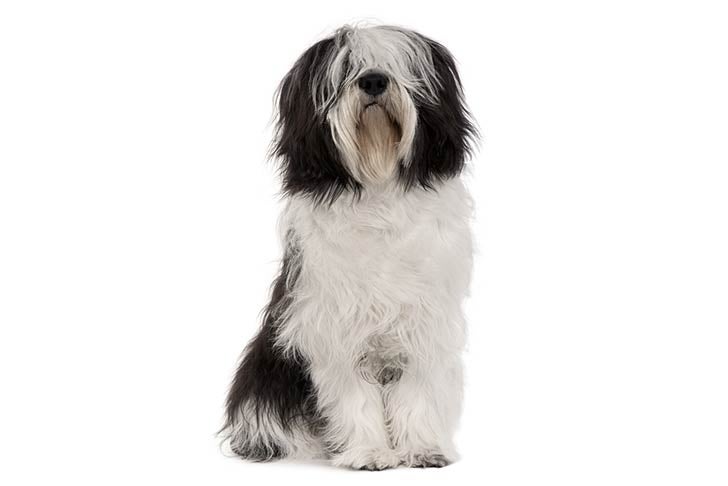
The Polish Lowland Sheepdog is one of the most famous dog breeds from Poland. Known for its shaggy coat and lively personality, this breed has been used for centuries as a herding dog. Farmers relied on these dogs to manage sheep and protect livestock from predators.
Physically, the Polish Lowland Sheepdog is medium-sized with a muscular body and a thick double coat. Its long hair often covers its eyes, giving it a distinctive appearance. Despite the heavy coat, the dog is very agile and capable of moving quickly across rough terrain.
In terms of personality, this breed is intelligent and alert. It learns quickly and enjoys having tasks to perform. Many owners describe the Polish Lowland Sheepdog as playful and energetic, making it a great companion for active families.
Training is essential for this breed because it has a strong independent streak. With proper guidance, however, it becomes a loyal and reliable companion. Regular grooming is also necessary to maintain its thick coat and prevent matting.
Polish Tatra Sheepdog
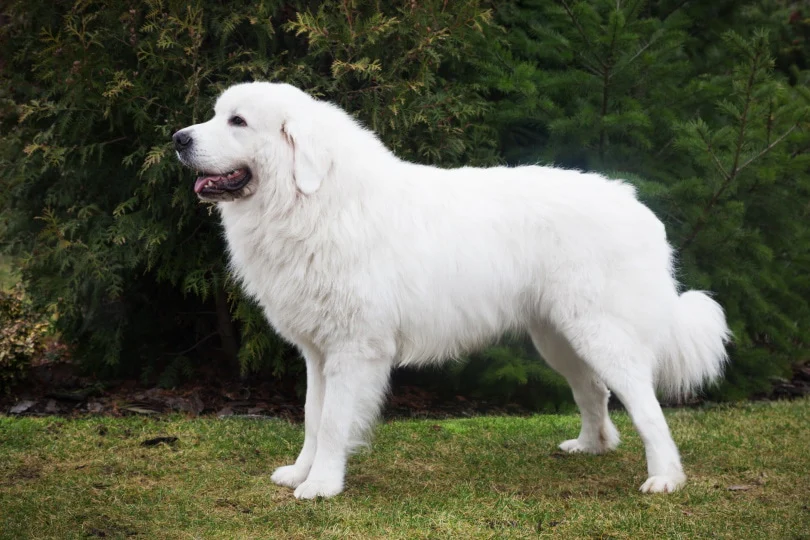
The Polish Tatra Sheepdog is a large and powerful breed originally developed to guard sheep in mountainous regions. This breed comes from the Tatra Mountains, where it protected flocks from wolves and other predators.
The first thing people notice about this dog is its impressive size and beautiful white coat. The thick fur helps protect the dog from harsh mountain weather, including snow and cold winds. Despite its large build, the breed is known for being calm and gentle with its family.
As a guardian dog, the Polish Tatra Sheepdog has strong protective instincts. It is naturally alert and wary of strangers, which makes it an excellent watchdog. However, it is also known for being patient and affectionate with children.
Because of its guarding heritage, this breed needs proper training and socialization from an early age. When raised correctly, it becomes a devoted and trustworthy family companion that remains loyal for many years.
Polish Hunting Dog
The Polish Hunting Dog is another important breed that reflects the country’s long hunting tradition. This breed was specifically developed to assist hunters in tracking game through forests and fields.
The dog has a strong and athletic body built for endurance. Its coat is typically short and dense, providing protection without slowing the dog down. The breed is especially skilled at following scent trails, which makes it highly effective in hunting situations.
One of the most appealing traits of the Polish Hunting Dog is its balanced temperament. It is both energetic and calm, able to work hard during hunts but also relax comfortably at home. This adaptability makes it a good choice for active owners.
These dogs thrive when they have a job to do. Activities such as tracking games, agility training, or long hikes can help keep them mentally and physically satisfied.
Polish Greyhound
The Polish Greyhound is a graceful and powerful breed known for its speed and elegance. Historically, it was used for hunting large game such as deer and wolves. This required exceptional strength, speed, and courage.
Compared to other greyhound breeds, the Polish Greyhound tends to have a slightly heavier build. This allows it to handle rough terrain and challenging weather conditions more effectively. Its coat is also thicker than that of many other greyhounds.
Despite its hunting background, the Polish Greyhound can be a calm and affectionate companion at home. It enjoys spending time with its family and often forms strong bonds with its owners.
However, this breed still retains its strong prey drive. Proper training and secure outdoor spaces are important to ensure the dog remains safe and well-behaved.
Polish Hound
The Polish Hound is one of the oldest hunting breeds in Poland. It has been used for centuries to track animals through forests and fields. Hunters value this breed for its excellent sense of smell and determination.
Physically, the Polish Hound is sturdy and well-balanced. Its short coat is easy to maintain, and its strong legs allow it to travel long distances without tiring. The breed’s distinctive bark also helps hunters locate the dog during hunts.
In terms of personality, the Polish Hound is friendly, loyal, and energetic. It enjoys being active and thrives in environments where it can explore and move freely. Long walks and outdoor activities are ideal for this breed.
Although it is a working dog at heart, the Polish Hound can also adapt well to family life when given enough exercise and attention.
Why Polish Dog Breeds Are Gaining Popularity
In recent years, dog breeds from Poland have started gaining more attention internationally. One reason is the growing interest in rare and unique dog breeds. Many people are looking for dogs that stand out from the more common breeds.
Another reason is the versatility of these dogs. Polish breeds are known for being intelligent, loyal, and hardworking. These qualities make them suitable for a wide range of activities, from herding and guarding to companionship and sports.
Social media and international dog shows have also helped introduce these breeds to a wider audience. As more people learn about their history and abilities, interest continues to grow.
Breeders and kennel clubs are also working to promote responsible breeding practices. This helps maintain the health and quality of the breeds while ensuring they remain true to their original characteristics.
Caring for Polish Dog Breeds
Owning a Polish dog breed can be a rewarding experience, but it also comes with responsibilities. These dogs were originally bred for work, so they require regular physical and mental activity.
Exercise is extremely important. Many Polish breeds have high energy levels and enjoy activities such as hiking, running, and training exercises. Without enough activity, they may become bored or develop behavioral problems.
Training should start early and remain consistent. These dogs are intelligent but sometimes independent, so positive reinforcement methods work best. Patience and regular practice help build a strong bond between dog and owner.
Grooming needs vary depending on the breed. Some dogs, like the Polish Lowland Sheepdog, require frequent brushing due to their thick coats. Others have shorter coats that are easier to maintain.
The Future of Polish Dog Breeds
The future of Polish dog breeds looks promising. Interest in preserving native breeds has increased significantly in recent years. Many organizations are working to protect these dogs and ensure their populations remain stable.
Education plays an important role in this process. By teaching people about the history and value of these breeds, enthusiasts hope to encourage responsible ownership and breeding.
Another positive development is the growing recognition of these breeds by international kennel clubs. This recognition helps increase awareness and encourages breeders in different countries to maintain the breed standards.
With continued support from breeders, owners, and dog lovers around the world, Poland’s native dog breeds will likely continue to thrive for generations to come.
Conclusion
Dog breeds from Poland represent an important part of the country’s cultural and agricultural heritage. These dogs were not simply created for appearance but for real work that supported farmers, shepherds, and hunters.
Their intelligence, strength, and loyalty make them exceptional companions even today. Whether herding sheep in mountain pastures or relaxing with their families at home, Polish breeds continue to demonstrate their versatility and resilience.
As more people around the world discover these remarkable dogs, appreciation for Poland’s canine heritage continues to grow. Each breed carries a story shaped by history, environment, and the close relationship between humans and animals.
For dog lovers seeking a loyal, hardworking, and unique companion, Polish dog breeds offer an excellent choice that combines tradition with modern companionship.
FAQs
What dog breeds come from Poland?
Polish Lowland Sheepdog, Polish Tatra Sheepdog, Polish Greyhound, Polish Hound, and Polish Hunting Dog are the main breeds from Poland.
Are Polish dog breeds good family pets?
Yes, many Polish breeds are loyal, affectionate, and protective, making them great family companions.
Do Polish dog breeds require a lot of exercise?
Most Polish breeds are active working dogs and need regular exercise and mental stimulation.
Are Polish dog breeds rare outside Poland?
Yes, many of these breeds are still relatively rare in other countries.
Which Polish dog breed is best for guarding livestock?
The Polish Tatra Sheepdog is especially known for its strong livestock guarding abilities.
Are Polish dog breeds easy to train?
They are intelligent but sometimes independent, so consistent and positive training methods work best.
Do Polish dog breeds adapt well to cold climates?
Yes, many of them have thick coats that help them handle cold weather easily.
Which Polish dog breed is the fastest?
The Polish Greyhound is the fastest breed among Poland’s native dogs.
Are Polish dog breeds good for first-time owners?
Some may be suitable, but many require experienced owners due to their energy and independence.
Why are Polish dog breeds becoming popular?
Their unique history, intelligence, and versatility are attracting more attention worldwide.
Also read: Ebberston Hall: An Introduction to England’s Hidden Gem