
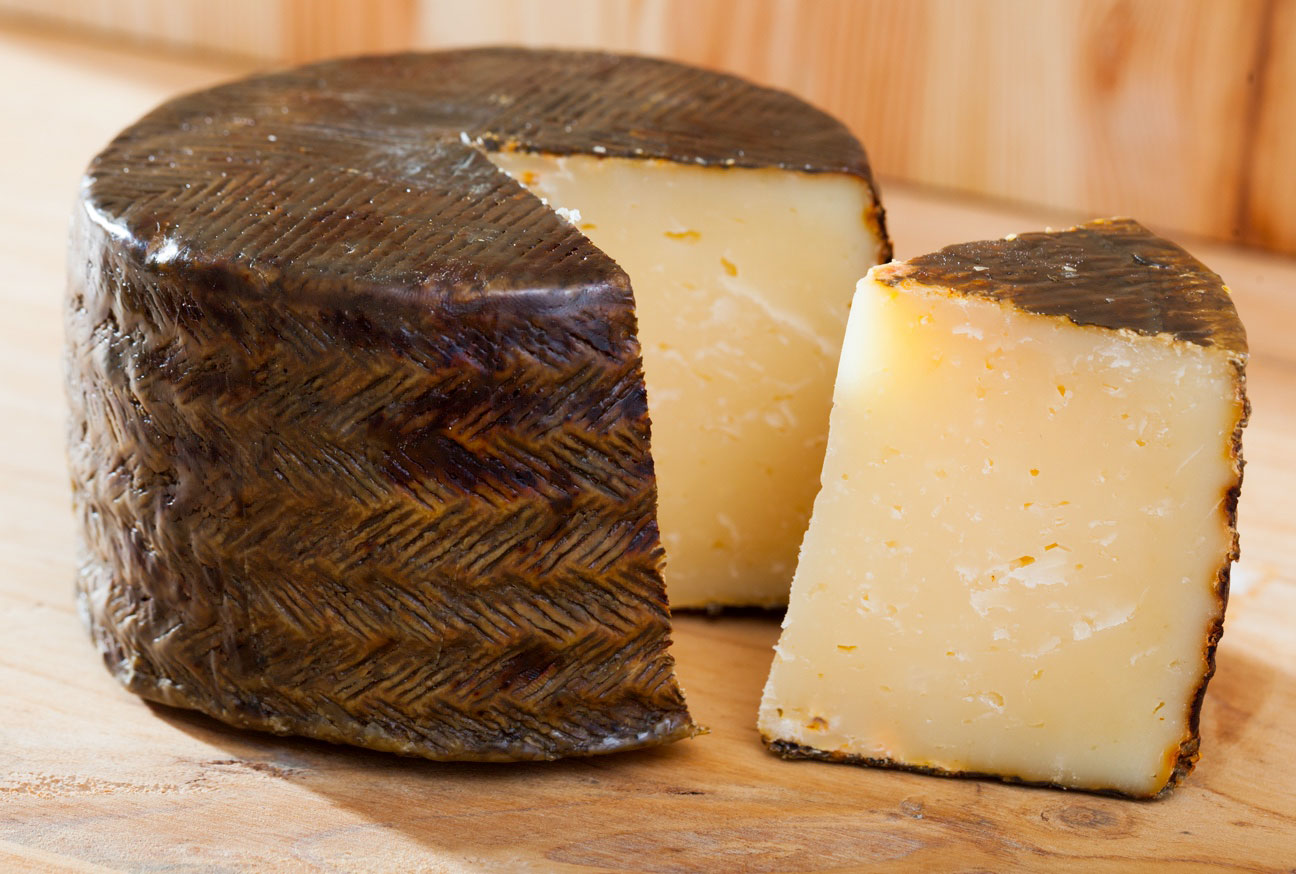
Manchego Spanish cheese is one of the most famous and recognizable cheeses in the world. It comes from Spain and is known for its rich flavor, firm texture, and unique heritage. Cheese lovers across the globe admire Manchego for its buttery taste and slightly nutty aroma. While many countries produce excellent cheeses, Manchego Spanish cheese stands out because of its traditional production methods and strong cultural roots in Spain.
This cheese originates from the La Mancha region, a large plateau located in central Spain. The area is famous for its sheep farming and traditional dairy products. Manchego Spanish cheese is made only from the milk of Manchega sheep, a special breed that has adapted to the harsh climate of the region. The milk from these sheep gives the cheese its unique flavor and creamy texture.
Today, Manchego Spanish cheese is enjoyed in homes, restaurants, and gourmet markets around the world. It can be eaten on its own, paired with wine, melted in recipes, or served with fruits and nuts. Its versatility and deep flavor make it a favorite choice for chefs and cheese enthusiasts alike.
The History of Manchego Spanish Cheese
Manchego Spanish cheese has a long and fascinating history that dates back thousands of years. Archaeological evidence suggests that people in the La Mancha region were producing sheep’s milk cheese even before the Roman Empire. The dry climate and vast grasslands made the region perfect for raising sheep, and cheese became an important way to preserve milk for long periods.
During the time of the Romans, cheese production techniques became more advanced. Farmers learned how to press, age, and preserve cheese more effectively. Manchego Spanish cheese slowly developed its own identity during these centuries. The traditional basket patterns found on the rind of Manchego are believed to come from the esparto grass baskets that were historically used to mold the cheese.
In later centuries, Manchego Spanish cheese became an essential part of Spanish culture and cuisine. Local shepherds and farmers relied on cheese as a source of nutrition and income. Today, the cheese has official protection under the Denomination of Origin system, ensuring that authentic Manchego Spanish cheese can only be produced in specific regions using traditional methods.
Where Manchego Spanish Cheese Comes From
Manchego Spanish cheese comes from the La Mancha region of Spain, which is located in the central part of the country. This region is famous not only for cheese but also for its connection to the famous novel “Don Quixote.” The landscape consists of rolling plains, dry fields, and scattered farms where Manchega sheep graze freely.
The climate of La Mancha plays a major role in shaping the character of Manchego Spanish cheese. The area experiences hot summers and cold winters, with relatively little rainfall. These conditions affect the grasses and herbs that the sheep eat, which in turn influence the flavor of the milk used to make the cheese.
Because of its importance and heritage, Manchego Spanish cheese is protected by the Spanish Denomination of Origin (DO) system. This means that only cheese made in the approved areas of La Mancha using milk from Manchega sheep can legally be labeled as authentic Manchego. This protection helps maintain the cheese’s quality and reputation worldwide.
The Milk Used in Manchego Spanish Cheese
The quality of Manchego Spanish cheese begins with the milk. Authentic Manchego is made exclusively from the milk of Manchega sheep. These sheep are native to the La Mancha region and have adapted perfectly to its harsh environment. Their milk is rich, creamy, and full of flavor, making it ideal for cheese production.
Sheep’s milk contains more fat and protein than cow’s milk. This higher fat content gives Manchego Spanish cheese its creamy texture and deep taste. It also helps the cheese age well, allowing it to develop complex flavors over time. The milk is typically collected from local farms where the sheep are raised on natural grasses and plants.
In traditional production, the milk used for Manchego Spanish cheese may be either raw or pasteurized. Raw milk versions tend to have stronger and more complex flavors, while pasteurized milk cheeses are more consistent and widely available in international markets.
How Manchego Spanish Cheese Is Made
The process of making Manchego Spanish cheese follows traditional steps that have been passed down for generations. It begins with fresh sheep’s milk, which is gently warmed and mixed with rennet. Rennet is a natural enzyme that helps the milk coagulate and form curds.
Once the curds form, they are cut into small pieces to release the whey. The curds are then placed into molds that shape the cheese. Traditionally, these molds created the distinctive zigzag pattern on the rind, which is still a recognizable feature of Manchego Spanish cheese today.
After molding, the cheese is pressed to remove any remaining whey and then soaked in brine. This salt bath helps develop flavor and preserve the cheese. Finally, the wheels are aged for a specific period, allowing them to develop their unique taste and texture.
The Aging Process of Manchego Spanish Cheese
Aging plays a crucial role in the development of Manchego Spanish cheese. The length of the aging period determines the texture, flavor, and intensity of the final product. Manchego is typically aged anywhere from 60 days to two years.
Young Manchego cheeses are softer and milder in flavor. They often have a creamy texture and subtle taste that many people find easy to enjoy. These cheeses are perfect for sandwiches, salads, or light snacks.
As Manchego Spanish cheese ages, it becomes firmer and more complex. Older varieties develop sharper, nuttier flavors and a crumbly texture. Cheese lovers often prefer aged Manchego because of its deep aroma and rich character.
Different Types of Manchego Spanish Cheese
There are several types of Manchego Spanish cheese based on how long the cheese is aged. Each type offers a unique flavor profile and texture that appeals to different tastes.
The youngest variety is called “Fresco,” which is aged for a very short time. It has a soft texture and mild taste, making it ideal for people who prefer delicate cheeses. This type is less common outside Spain because it is more perishable.
Another popular variety is “Semi-Curado,” which is aged for about three months. This version has a slightly firmer texture and a more developed flavor. It strikes a perfect balance between creaminess and richness, making it one of the most widely enjoyed forms of Manchego Spanish cheese.
The most mature types are “Curado” and “Viejo.” Curado is aged for around six months, while Viejo can be aged for more than a year. These cheeses have strong, bold flavors and a firm texture that makes them perfect for cheese boards and wine pairings.
Flavor Profile of Manchego Spanish Cheese
Manchego Spanish cheese has a flavor that is both distinctive and versatile. When you taste it, you may notice a combination of buttery, nutty, and slightly tangy notes. The flavor becomes stronger and more complex as the cheese ages.
Young Manchego tends to have a smooth and creamy taste with mild sweetness. It is gentle on the palate and pairs well with fruits and bread. Because of its mild flavor, it is often used in cooking or as a simple snack.
Older Manchego Spanish cheese develops a deeper character. The texture becomes firmer, and the flavor becomes sharper and more intense. Some aged varieties even have small crystals inside, which add a pleasant crunch and indicate long aging.
Nutritional Value of Manchego Spanish Cheese
Manchego Spanish cheese is not only delicious but also nutritious. Because it is made from sheep’s milk, it contains higher levels of certain nutrients compared to many cow’s milk cheeses.
One important benefit of Manchego Spanish cheese is its high protein content. Protein is essential for building and repairing body tissues, and cheese can be a convenient source of this nutrient.
Manchego also contains calcium, which helps maintain strong bones and teeth. In addition, the cheese provides vitamins such as vitamin A and vitamin B12. While it is relatively high in fat, enjoying Manchego in moderation can be part of a balanced diet.
How Manchego Spanish Cheese Is Used in Cooking
Manchego Spanish cheese is extremely versatile in the kitchen. It can be served in many ways, from simple snacks to gourmet dishes. Because of its rich flavor, even small amounts can enhance the taste of a recipe.
One common way to enjoy Manchego is on a cheese board. It pairs beautifully with olives, nuts, grapes, and cured meats. Many people also serve it with Spanish quince paste, known as membrillo, which creates a perfect sweet and savory combination.
Manchego Spanish cheese can also be grated or melted into dishes. It works well in pasta, omelets, sandwiches, and salads. Some chefs even use it in soups or baked dishes where its nutty flavor adds depth.
Pairing Manchego Spanish Cheese with Drinks
Choosing the right drink can enhance the flavor of Manchego Spanish cheese. Traditionally, Spaniards pair it with red wines from regions such as Rioja or Ribera del Duero. The rich flavors of these wines complement the cheese perfectly.
White wines can also work well with Manchego Spanish cheese, especially younger varieties. Crisp white wines help balance the creamy texture and bring out the cheese’s subtle sweetness.
For people who prefer non-alcoholic options, sparkling water or apple cider can also pair nicely with Manchego. The refreshing acidity helps cleanse the palate and makes each bite of cheese more enjoyable.
Why Manchego Spanish Cheese Is So Popular Worldwide
Manchego Spanish cheese has gained international popularity for several reasons. One of the main reasons is its unique taste, which combines richness with balance. Unlike some strong cheeses, Manchego offers complex flavors without being overwhelming.
Another reason for its popularity is its versatility. Manchego can be enjoyed on its own, used in cooking, or paired with many different foods and drinks. This flexibility makes it appealing to both casual cheese eaters and professional chefs.
Finally, the authenticity and tradition behind Manchego Spanish cheese add to its charm. Knowing that the cheese is made using centuries-old techniques gives people a deeper appreciation for the product.
How to Store Manchego Spanish Cheese Properly
Proper storage is essential for maintaining the quality of Manchego Spanish cheese. Like most cheeses, it should be kept in the refrigerator to prevent spoilage. However, the way it is wrapped can make a big difference in preserving its flavor and texture.
Cheese experts recommend wrapping Manchego in wax paper or parchment paper rather than plastic wrap. This allows the cheese to breathe while still protecting it from drying out. After wrapping it in paper, you can place it in a loose plastic bag or airtight container.
Before serving Manchego Spanish cheese, it is best to remove it from the refrigerator about 30 minutes in advance. This allows the cheese to reach room temperature, which helps release its full aroma and flavor.
The Cultural Importance of Manchego Spanish Cheese
Manchego Spanish cheese holds a special place in Spanish culture. It is more than just a food item; it represents tradition, agriculture, and regional pride. Many families in the La Mancha region have been making cheese for generations, passing down their knowledge and skills.
In Spanish cuisine, Manchego Spanish cheese appears in many traditional dishes and celebrations. It is often served during festivals, family gatherings, and holiday meals. The cheese is also a common feature in tapas bars throughout Spain.
Because of its cultural significance, Manchego Spanish cheese has become a symbol of Spanish gastronomy. It represents the rich culinary heritage of the country and continues to inspire chefs and food lovers around the world.
The Future of Manchego Spanish Cheese
The future of Manchego Spanish cheese looks bright as demand continues to grow worldwide. More people are discovering the unique flavor and history behind this iconic cheese. As global interest in artisan and traditional foods increases, Manchego remains an excellent example of authentic craftsmanship.
Producers in the La Mancha region are working to maintain traditional methods while also meeting modern standards of quality and safety. Many farms focus on sustainable practices, ensuring that sheep farming and cheese production remain environmentally responsible.
With its long history, strong reputation, and timeless flavor, Manchego Spanish cheese will likely remain one of the world’s most beloved cheeses for generations to come.
FAQs
What is Manchego Spanish cheese made from? Manchego Spanish cheese is made from the milk of Manchega sheep native to Spain’s La Mancha region.
How long is Manchego Spanish cheese aged? Manchego cheese is usually aged between 60 days and two years depending on the variety.
What does Manchego Spanish cheese taste like? It has a buttery, nutty flavor that becomes sharper and more complex as the cheese ages.
Is Manchego Spanish cheese healthy? Manchego provides protein, calcium, and vitamins, but it should be eaten in moderation due to its fat content.
Can Manchego Spanish cheese be melted? Yes, Manchego melts well and can be used in many cooked dishes.
Where does authentic Manchego Spanish cheese come from? Authentic Manchego is produced in the La Mancha region of Spain.
What foods pair well with Manchego Spanish cheese? Fruits, nuts, olives, bread, and quince paste pair beautifully with Manchego.
Also read:English Place Names List