
Introduction to Altar Bread
Altar bread is a sacred type of bread used in Christian worship, especially during the celebration of the Eucharist or Holy Communion. It may appear simple, often looking like a small round wafer made from flour and water, but its religious meaning is extremely deep. For millions of Christians around the world, altar bread represents the body of Jesus Christ and plays a central role in the most important ritual of the Church. Because of this, altar bread is treated with great care, respect, and reverence in churches.
The tradition of using altar bread goes back thousands of years and is connected to the Last Supper of Jesus Christ with his disciples. During that meal, Jesus broke bread and shared it with his followers, telling them that the bread represented his body. This moment became the foundation for the Christian sacrament known as Communion. Since that time, altar bread has become one of the most important symbols of Christian faith and worship.
Today, altar bread is used by many Christian denominations, including the Roman Catholic Church, Orthodox Churches, and many Protestant churches. While the appearance and preparation may vary slightly between traditions, the core meaning remains the same. The bread is not just food; it is a symbol of sacrifice, remembrance, unity, and faith. Understanding altar bread helps people appreciate the spiritual traditions that have shaped Christianity for centuries.
The Meaning and Symbolism of Altar Bread
Altar bread carries powerful symbolism within Christian theology. It represents the body of Christ and reminds believers of the sacrifice Jesus made for humanity. When Christians receive altar bread during Communion, they are participating in a sacred act that connects them to Jesus’ teachings, his suffering, and his promise of salvation.
The symbolism of altar bread is deeply connected to the concept of spiritual nourishment. Just as physical bread provides energy and sustenance for the body, altar bread symbolizes spiritual nourishment for the soul. Believers receive it as a reminder that faith and devotion are essential for spiritual life. This idea of nourishment is a key reason why bread, a common and universal food, was chosen for this sacred role.
Another important symbol represented by altar bread is unity. During Communion services, many believers share the same altar bread. This act symbolizes the unity of the Christian community and the idea that all believers are part of one spiritual body. The sharing of altar bread reminds Christians that they are connected to each other through faith, love, and devotion to God.
Historical Origins of Altar Bread
The history of altar bread can be traced back to the earliest days of Christianity. In the first century, Jesus Christ and his disciples shared bread during the Last Supper, which took place during the Jewish Passover meal. During this meal, Jesus broke bread and told his disciples that it represented his body, which would soon be sacrificed. This event became the foundation for the Christian Eucharist.
Early Christians continued the practice of breaking bread together as part of their worship gatherings. At first, the bread used in these ceremonies was ordinary bread baked by members of the community. Over time, the Church began to develop specific guidelines about how altar bread should be prepared and used during religious ceremonies.
By the Middle Ages, altar bread had become more standardized in many parts of the Christian world. Churches began using specially prepared unleavened wafers made only from wheat flour and water. These wafers were easy to distribute during Communion and symbolized purity and simplicity. The use of altar bread in this form continues today in many churches around the world.
How Altar Bread Is Made
The preparation of altar bread is a careful and respectful process because of its sacred purpose. Traditionally, altar bread is made using only two simple ingredients: wheat flour and water. These ingredients are mixed together to form a thin dough that is baked into flat wafers.
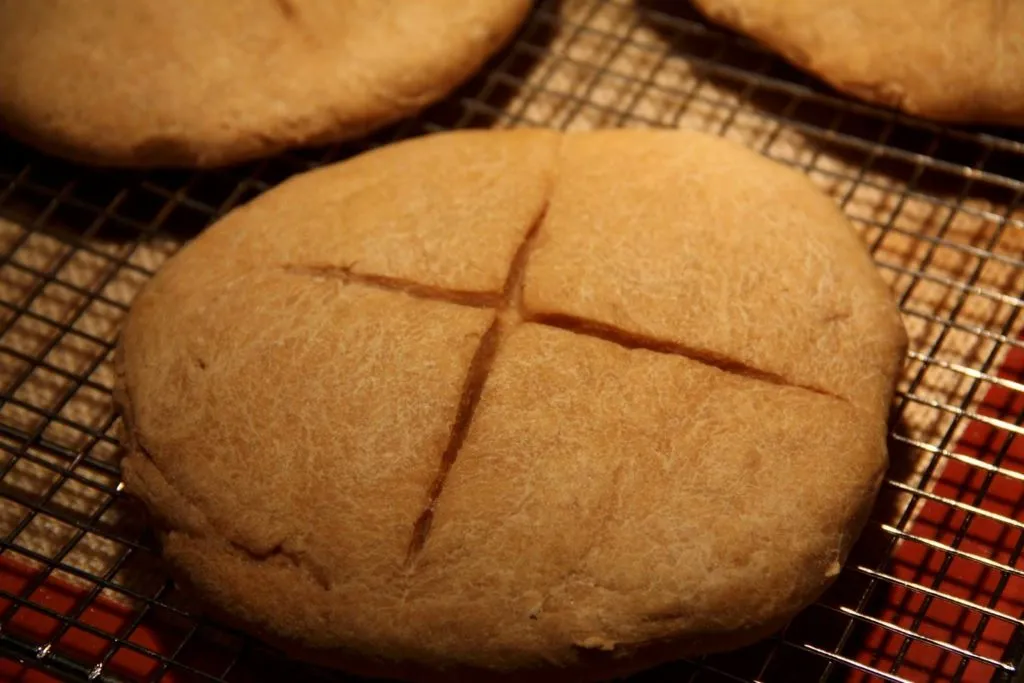
The dough is usually pressed between heated plates or baked in special irons that create thin, round wafers. In many churches, the wafers may also contain small religious designs or symbols, such as crosses or images representing Christ. These designs are created using molds during the baking process.
Many monasteries and religious communities around the world produce altar bread for churches. The process is often performed prayerfully, reflecting the spiritual importance of the bread. In some traditions, altar bread is prepared by nuns or monks who dedicate their lives to religious service. Their work ensures that the bread used in Communion is made with reverence and devotion.
The Role of Altar Bread in the Eucharist
The Eucharist, also known as Holy Communion or the Lord’s Supper, is the central sacrament in many Christian traditions. Altar bread plays a crucial role in this ceremony. During the Eucharist, the priest or minister blesses the bread and wine, and believers receive them as sacred elements representing the body and blood of Christ.
Different Christian denominations interpret the meaning of altar bread in different ways. In the Roman Catholic Church, the bread is believed to become the actual body of Christ through a process called transubstantiation. In other traditions, such as many Protestant churches, the bread is seen as a symbolic representation of Christ’s body.
Regardless of theological differences, altar bread remains a powerful symbol of faith and remembrance. When believers receive it, they reflect on the sacrifice of Jesus and renew their commitment to live according to his teachings. The act of receiving altar bread is therefore both a spiritual and communal experience.
Types of Altar Bread Used in Different Churches
Different Christian denominations use slightly different types of altar bread during their worship services. These differences reflect theological traditions, cultural influences, and historical practices.
In the Roman Catholic Church, altar bread usually takes the form of thin, round, unleavened wafers called hosts. These wafers are small, white, and delicate, making them easy to distribute during Communion services. Larger hosts may be used by priests during the consecration ceremony.
Eastern Orthodox churches use a different type of altar bread called prosphora. This bread is leavened and baked as a small loaf. It is stamped with religious symbols before baking and cut into pieces during the Eucharistic ceremony. The use of leavened bread symbolizes the resurrection of Christ.
Many Protestant churches use ordinary bread or small pieces of bread instead of wafers. The bread may be baked by members of the church or purchased from religious suppliers. This practice reflects the Protestant emphasis on simplicity and community participation in worship.
Religious Rules and Requirements for Altar Bread
Because altar bread is used in sacred ceremonies, many churches have strict rules about how it should be prepared. In the Roman Catholic tradition, altar bread must be made from pure wheat flour and water without any additional ingredients. The bread must also be unleavened, meaning it contains no yeast.
These requirements are based on historical traditions and theological symbolism. The use of wheat connects the bread to biblical teachings, while the absence of yeast reflects the Jewish Passover tradition associated with the Last Supper. Following these rules ensures that the bread used during the Eucharist remains consistent with Church teachings.
In other Christian traditions, the rules may be less strict. Some churches allow leavened bread or bread made with additional ingredients. However, even in these cases, the bread used during Communion is usually prepared carefully to reflect its spiritual importance.
Altar Bread in Modern Christian Worship
Today, altar bread continues to be a central part of Christian worship around the world. Millions of believers participate in Communion services each week, receiving altar bread as part of their spiritual practice. Despite changes in society and culture, this ancient tradition remains deeply meaningful for many Christians.
Modern technology has also influenced the production of altar bread. Many churches now purchase pre-made hosts from religious supply companies that specialize in producing Communion wafers. These companies use modern equipment while still following traditional preparation methods.
At the same time, some churches prefer to bake their own altar bread. This practice can create a deeper sense of community and participation among church members. Whether purchased or homemade, altar bread continues to symbolize faith, unity, and devotion.
Cultural and Global Variations of Altar Bread

Altar bread may appear simple, but it reflects a rich variety of cultural traditions around the world. Different regions have developed unique ways of preparing and using altar bread while still maintaining its core religious meaning.
In parts of Europe, monasteries have produced altar bread for centuries. These communities often use traditional recipes and baking techniques that have been passed down through generations. The production of altar bread has become an important part of their religious life.
In African and Asian Christian communities, altar bread may sometimes be adapted to local cultural practices. Churches may use locally available ingredients or bake bread in styles familiar to their congregations. Despite these variations, the spiritual meaning of altar bread remains consistent across cultures.
The Spiritual Significance of Altar Bread for Believers
For many Christians, altar bread represents much more than a ritual object. It is a reminder of the life, teachings, and sacrifice of Jesus Christ. Receiving altar bread during Communion is often a deeply emotional and spiritual experience.
Believers may reflect on their personal faith, seek forgiveness for mistakes, and renew their commitment to living according to Christian values. The act of receiving altar bread encourages humility, gratitude, and spiritual reflection.
Altar bread also connects believers to the global Christian community. Every time Communion is celebrated, Christians around the world participate in the same sacred tradition that began nearly two thousand years ago. This shared practice strengthens the sense of belonging within the Christian faith.
The Future of Altar Bread in Christianity
Although Christian traditions continue to evolve, altar bread will likely remain an essential element of worship for generations to come. The Eucharist is deeply rooted in Christian identity, and altar bread is at the heart of that sacrament.
As churches grow and spread into new cultures and societies, the ways altar bread is prepared and shared may continue to adapt. However, its central meaning as a symbol of Christ’s body and sacrifice will remain unchanged.
Future generations will continue to learn about altar bread as part of their religious education and spiritual formation. By preserving this tradition, the Church maintains a connection to its earliest roots and the teachings of Jesus Christ.
Conclusion
Altar bread is one of the most meaningful symbols in Christian worship. From its origins in the Last Supper to its role in modern Communion services, it has remained a powerful reminder of faith, sacrifice, and unity. Although it is made from simple ingredients, its spiritual significance is profound.
The preparation, blessing, and sharing of altar bread connect believers to centuries of religious tradition. Whether used in Catholic, Orthodox, or Protestant churches, altar bread continues to play a vital role in the spiritual lives of millions of Christians around the world.
Understanding the history, symbolism, and purpose of altar bread helps people appreciate the depth of Christian worship and the enduring importance of the Eucharist. Through this humble bread, believers remember the message of love, sacrifice, and hope that lies at the heart of the Christian faith.
FAQs
What is altar bread?
Altar bread is a special type of bread used during Christian Communion that represents the body of Jesus Christ.
What ingredients are used to make altar bread?
Altar bread is usually made from wheat flour and water without additional ingredients.
Why is altar bread unleavened in many churches?
It is unleavened to reflect the bread used during the Jewish Passover and the Last Supper.
Who makes altar bread for churches?
Altar bread is often produced by monasteries, religious communities, or specialized church supply companies.
Is altar bread eaten by everyone in the church?
It is usually received by baptized believers participating in the Communion service.
Do all Christian churches use the same type of altar bread?
No, some churches use unleavened wafers while others use leavened bread.
What does altar bread symbolize?
It symbolizes the body of Christ and reminds believers of his sacrifice.
Can churches bake their own altar bread?
Yes, many churches choose to bake their own bread for Communion.
Is altar bread considered holy?
Yes, once blessed during the Eucharist, it is treated with great reverence.
How long has altar bread been used in Christianity?
The tradition dates back nearly two thousand years to the time of the Last Supper.