

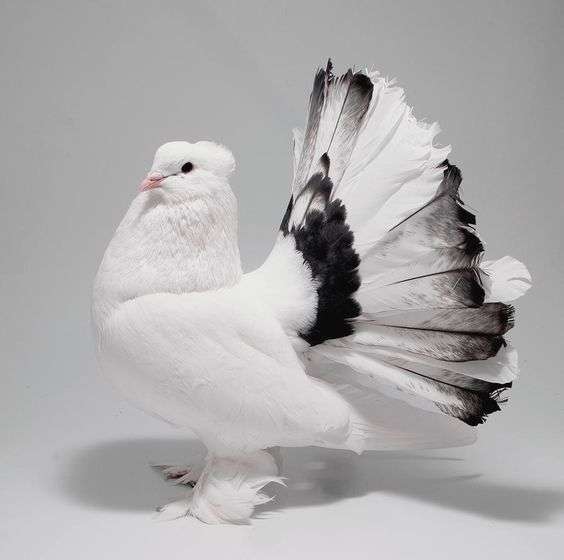
Fantail doves are among the most enchanting and visually appealing birds that captivate both bird enthusiasts and casual observers alike. Known for their distinct fan-shaped tail feathers, these birds have become a symbol of elegance and grace in the avian world. Their unique appearance, coupled with fascinating behaviors, makes them a popular subject for ornithologists, pet owners, and wildlife photographers. Whether you encounter them in the wild or as part of a domesticated aviary, fantail doves never fail to impress with their striking display and charismatic presence. In this article, we explore everything there is to know about fantail doves, from their natural habitat to breeding patterns, care tips, and much more, ensuring you gain expert-level insight into this remarkable bird species.
Physical Characteristics of Fantail Doves
Fantail doves are instantly recognizable due to their extraordinary tail feathers, which they often spread out in a striking fan shape. This feature is not only aesthetically appealing but also plays a role in their social interactions, mating displays, and communication with other doves. The body of a fantail dove is generally compact and rounded, giving them a graceful appearance as they hop or fly short distances. Their plumage comes in a variety of colors, including soft whites, gentle greys, creamy beiges, and even unique shades like bronze and mahogany. This diversity in coloration is one of the reasons these birds are highly sought after by pet enthusiasts and breeders alike.
The head of a fantail dove is proportionally small compared to its body, with bright, observant eyes that can appear almost expressive, giving the bird a gentle and curious demeanor. Their beaks are short but strong, designed to crack seeds and grains efficiently. Interestingly, the legs of fantail doves are relatively short but sturdy, allowing them to perch securely on branches, ledges, or aviary cages. Their feet have three forward-facing toes and one backward-facing toe, which gives them a good grip while walking or climbing. Overall, the combination of their elegant posture, expressive eyes, and mesmerizing tail feathers makes fantail doves a truly remarkable species in terms of physical aesthetics.
Fantail doves also display sexual dimorphism in subtle ways. Male fantail doves typically exhibit more pronounced tail fanning and may have slightly brighter or more vibrant plumage compared to females. This distinction is particularly noticeable during courtship rituals when males attempt to attract a mate by displaying their fanned tails in rhythmic, captivating movements. While females may participate in tail fanning, their display is usually less exaggerated. Understanding these physical characteristics not only helps in identifying fantail doves in the wild but also aids breeders and pet owners in managing these birds effectively.
Habitat and Geographic Distribution
Fantail doves are native to various regions across Asia, Europe, and parts of the Pacific islands, although specific species may have more localized ranges. In the wild, they are commonly found in temperate and subtropical regions where forests, woodlands, and gardens provide ample cover and food resources. These birds have a remarkable adaptability, allowing them to thrive in both urban and rural settings, as long as basic shelter and nourishment are available. This adaptability has contributed to their popularity as domestic pets, as they can adjust comfortably to cage environments or large aviaries.
In natural habitats, fantail doves prefer areas with a mix of open spaces and dense foliage. Open spaces allow them to display their characteristic tail fans while performing flight maneuvers and mating rituals, while dense vegetation offers protection from predators such as hawks, snakes, and feral cats. They often build nests in low shrubs, tree branches, or even on man-made structures, showing a remarkable versatility in nesting behavior. Seasonal migration is uncommon among most fantail dove species, as their adaptability and resourcefulness enable them to find sufficient food and shelter year-round in their native regions.
The widespread geographic distribution of fantail doves is also influenced by human activity. Domestication, selective breeding, and aviculture have led to the establishment of fantail dove populations far from their original habitats. In many countries, aviary enthusiasts actively breed these doves for exhibitions, competitions, and pet ownership, contributing to a diverse and thriving population. This global spread has allowed people from different continents to experience the charm of fantail doves firsthand, enhancing both cultural appreciation and scientific understanding of these captivating birds.
Behavior and Social Interaction
Fantail doves are known for their gentle and sociable nature, making them a delight to observe both in the wild and in captivity. They are generally calm birds that enjoy the company of their own species, often forming pairs or small flocks. This social behavior is essential for their survival in the wild, as it provides safety in numbers and facilitates communication regarding food sources or potential threats. In aviary settings, fantail doves demonstrate similar social tendencies, often engaging in playful interactions, tail displays, and synchronized movements that are both entertaining and informative for observers.
One of the most notable behaviors of fantail doves is their tail fanning ritual. This behavior serves multiple purposes, including courtship, communication, and intimidation. During courtship, males fan their tails fully while performing intricate hopping and circling motions to attract females. This display signals fitness, vitality, and suitability as a mate. In non-mating contexts, tail fanning can also act as a form of communication between doves, helping them establish dominance hierarchies or maintain social bonds within a group. Observing these behaviors can provide valuable insight into the complex social dynamics of fantail doves.
Fantail doves are also highly intelligent and perceptive birds. They quickly learn to recognize familiar humans, differentiate between aviary companions, and respond to environmental changes. In captivity, they can be trained to perform simple tricks or routines, demonstrating cognitive abilities that are often underestimated. Their curiosity drives them to explore their surroundings, peck at objects, and investigate new stimuli. This combination of intelligence, sociability, and visually captivating behaviors makes fantail doves a favorite among bird enthusiasts, photographers, and ornithologists alike.
Diet and Feeding Habits
Fantail doves are primarily granivorous, meaning that their diet consists largely of seeds, grains, and cereals. In the wild, they forage on the ground for a variety of seeds, including millet, sunflower seeds, and wheat. They may also supplement their diet with small fruits, greens, and occasional insects, providing a balanced intake of nutrients. This diverse diet is essential for maintaining their energy levels, vibrant plumage, and overall health. Observing wild fantail doves feeding can be a fascinating experience, as they display a meticulous method of picking, cleaning, and consuming their food with remarkable dexterity.
In captivity, providing a nutritionally balanced diet is crucial for the well-being of fantail doves. A high-quality seed mix specifically designed for doves is ideal, often supplemented with fresh vegetables, fruits, and occasional protein sources such as boiled eggs or mealworms. Access to clean, fresh water at all times is equally important, as these birds require adequate hydration for optimal physiological functions. Additionally, the inclusion of grit or calcium supplements can aid in digestion and strengthen bone structure, particularly during breeding seasons when nutritional demands are higher.
Feeding habits of fantail doves also include social aspects, as these birds often feed in pairs or small groups. In aviary settings, it is common to observe a subtle pecking order at feeding stations, with dominant individuals gaining priority access while others wait patiently. This social hierarchy ensures equitable access to resources while maintaining group cohesion. Understanding these dietary requirements and feeding behaviors not only enhances the care of domesticated fantail doves but also deepens appreciation for their intricate ecological roles in natural habitats.
Breeding and Reproduction
Fantail doves are prolific breeders, and their reproductive behavior is both fascinating and complex. Courtship rituals play a crucial role in mate selection, with males performing elaborate tail fanning, cooing, and hopping displays to impress potential partners. Once a pair forms a bond, they engage in mutual preening and synchronized feeding, which strengthens their partnership and prepares them for nesting. Fantail doves typically form monogamous pairs, remaining faithful to one partner for an entire breeding season or longer, depending on environmental conditions and resource availability.
Nesting is a meticulous process for fantail doves. They construct small, cup-shaped nests using twigs, leaves, and grasses, often located in sheltered areas that provide protection from predators and harsh weather. Females typically lay one to two eggs per clutch, which are incubated for approximately two weeks. Both parents participate in incubation, alternating shifts to ensure optimal temperature and protection. This cooperative approach enhances the chances of survival for the offspring, reflecting the strong familial bonds characteristic of this species.
Chick development is rapid, with hatchlings requiring careful attention from both parents. Initially, the chicks are fed a nutrient-rich secretion known as crop milk, which provides essential proteins and fats for growth. Within a few weeks, the chicks begin to develop feathers, strengthen their wings, and learn basic foraging skills under the guidance of their parents. By the end of the fledging period, young fantail doves are capable of independent flight and exploration, yet they often remain close to their parents for social learning and protection. This cycle of reproduction highlights the remarkable adaptability, intelligence, and dedication of fantail doves to ensure the continuity of their species.
Lifespan and Longevity
Fantail doves have a relatively moderate lifespan compared to other avian species, with wild individuals typically living between 5 to 10 years. In captivity, where they are protected from predators, environmental stressors, and disease, their lifespan can extend up to 15 years or more. Longevity is influenced by factors such as diet, living conditions, genetic health, and attentive care. Breeders and pet owners often take special measures to optimize the health and longevity of these birds, including providing spacious aviaries, regular veterinary check-ups, and nutritionally balanced diets.
Several factors can affect the lifespan of fantail doves in the wild. Predation, extreme weather conditions, scarcity of food, and disease outbreaks can significantly reduce survival rates. Additionally, habitat destruction and human encroachment pose long-term threats to wild populations. Despite these challenges, fantail doves exhibit remarkable resilience, often adapting to changing environments and utilizing human-modified landscapes to sustain their populations. Conservation efforts, including habitat protection and responsible breeding programs, are essential to ensure that these elegant birds continue to thrive.
In captivity, careful management of health and environment can significantly extend the life of fantail doves. Regular monitoring for common ailments, such as respiratory infections, parasitic infestations, and nutritional deficiencies, is crucial. Providing enrichment activities, such as perches, toys, and social interaction, promotes mental and physical well-being, contributing to overall longevity. By understanding and addressing these factors, enthusiasts and breeders can enjoy the companionship and beauty of fantail doves for many years, creating a lasting bond with these charming birds.
Fantail Dove Varieties
Fantail doves are not a single uniform species but rather a collection of varieties distinguished by plumage patterns, coloration, and tail structure. Some of the most popular varieties include the white fantail, black fantail, silver fantail, and pied fantail. Each variety has unique characteristics that appeal to different enthusiasts, from purebred exhibition birds to colorful hybrids bred for ornamental purposes. The variety of options allows breeders and collectors to curate aviaries with aesthetically pleasing combinations and showcase the remarkable diversity of this species.
The white fantail is highly prized for its pure, elegant plumage and symmetrical tail fan, often showcased in competitions and exhibitions. Black fantails offer a striking contrast with their dark, glossy feathers, exuding sophistication and visual drama. Silver fantails display subtle metallic sheen and are known for their graceful movements and calm temperament. Pied fantails, with their combination of contrasting colors, provide a playful and artistic appearance that is highly sought after by collectors looking to diversify their aviary. These varieties demonstrate the incredible adaptability and aesthetic appeal of fantail doves, highlighting the artistry involved in aviculture.
In addition to color variations, some varieties may exhibit minor differences in behavior or vocalizations. Certain strains are more vocal, producing soft coos and melodic sounds that enrich the ambient environment, while others may be quieter and more reserved. Tail structure and feather length may also vary, influencing the visual display during courtship or social interactions. Understanding these subtle differences is essential for breeders, enthusiasts, and researchers, as it allows for informed management, selective breeding, and appreciation of the full spectrum of fantail dove diversity.
Care and Housing for Fantail Doves
Caring for fantail doves requires a combination of attention to their physical needs, mental stimulation, and environmental enrichment. Housing is a critical aspect of care, as these birds thrive in spaces that allow flight, exploration, and social interaction. Aviaries should be spacious, well-ventilated, and secure, providing perches, nesting areas, and shaded zones. Cleanliness is essential to prevent the spread of disease, requiring regular removal of droppings, uneaten food, and debris. A well-maintained habitat promotes both health and happiness, allowing fantail doves to exhibit natural behaviors freely.
Nutrition is equally important in fantail dove care. A balanced diet comprising high-quality seeds, fresh fruits and vegetables, and supplemental proteins supports their growth, feather development, and reproductive health. Access to clean water and grit ensures proper digestion and hydration. Additionally, vitamin and mineral supplements can prevent deficiencies, particularly in breeding pairs or growing chicks. Regular monitoring of feeding habits, body condition, and plumage quality can help detect early signs of illness, allowing prompt intervention and treatment.
Social interaction and mental stimulation are vital for fantail doves, as these intelligent birds can become bored or stressed in monotonous environments. Pairing compatible birds, providing toys, mirrors, or foraging challenges can enhance their psychological well-being. Training and gentle handling also foster trust and reduce stress, especially for pet doves kept in closer proximity to humans. By combining proper housing, nutrition, and enrichment, caretakers can ensure their fantail doves remain healthy, active, and thriving, creating a harmonious and fulfilling environment for these captivating birds.
Health and Common Diseases
Fantail doves are generally hardy birds, but they are susceptible to certain health issues if proper care is not maintained. Common diseases include respiratory infections, parasitic infestations, bacterial infections, and nutritional deficiencies. Respiratory issues often arise from poor ventilation, dusty bedding, or exposure to drafts, causing symptoms such as wheezing, sneezing, and lethargy. Regular cleaning, proper cage placement, and monitoring for early signs of illness are crucial for preventing these conditions.
Parasitic infections, including mites and lice, can affect both feathers and skin, leading to discomfort, feather damage, and decreased vitality. Preventive measures include routine inspection, maintaining cleanliness, and using safe anti-parasitic treatments when necessary. Nutritional deficiencies, particularly a lack of calcium or vitamins, can result in weak bones, poor feather quality, and reduced reproductive success. Ensuring a well-balanced diet with supplemental minerals is key to preventing such problems. Additionally, stress, overcrowding, and inadequate housing can exacerbate health issues, emphasizing the importance of holistic care and attentive management.
Veterinary care is essential for diagnosing and treating diseases in fantail doves. Early intervention can prevent minor health issues from becoming serious, improving both survival rates and quality of life. Regular check-ups, vaccination where applicable, and observation of behavioral changes contribute to overall well-being. By understanding common health concerns and implementing preventive strategies, caretakers can ensure their fantail doves remain vibrant, active, and free from illness, reinforcing the joy of keeping these elegant birds.
Fantail Doves in Aviculture and Competitions
Fantail doves hold a prominent place in aviculture and competitive bird exhibitions due to their aesthetic appeal, unique tail display, and calm temperament. Breeders invest significant effort in selectively breeding birds to enhance tail symmetry, plumage quality, and overall elegance. Competitions often judge birds on multiple criteria, including feather condition, tail spread, coloration, posture, and behavioral displays. These exhibitions foster a culture of meticulous care, appreciation of natural beauty, and scientific observation, contributing to the preservation and advancement of the species.
In addition to competitions, fantail doves are popular for personal aviaries, where enthusiasts enjoy observing their behaviors, breeding habits, and social interactions. Breeders often exchange knowledge, birds, and genetic lines to improve traits such as size, color variety, and temperament. This collaborative approach strengthens the community of fantail dove enthusiasts, promoting ethical breeding practices, responsible care, and long-term sustainability. Exhibitions and aviculture provide a platform for educating the public about these captivating birds, enhancing awareness of their ecological significance and cultural value.
Fantail doves also inspire artistic and photographic pursuits, as their fanned tails and graceful movements create visually stunning subjects. Photographers and artists capture their elegance in detailed portraits, highlighting the intricate feather patterns and soft color gradients. This appreciation extends beyond aviculture into broader cultural recognition, with fantail doves symbolizing peace, beauty, and harmony in various artistic representations. The combination of competitive breeding, personal enjoyment, and artistic inspiration ensures that fantail doves continue to captivate human imagination while thriving under attentive care.
Conservation and Environmental Significance
While fantail doves are not currently classified as endangered, habitat loss, urbanization, and environmental changes can pose long-term challenges. Conservation efforts focus on habitat preservation, responsible breeding programs, and public education to ensure populations remain stable and healthy. Protecting natural habitats, such as forests, gardens, and wetlands, is essential for maintaining wild populations and providing opportunities for natural behaviors, including foraging, nesting, and mating displays.
Fantail doves also play important ecological roles. As seed dispersers, they contribute to the growth and regeneration of plant species, supporting biodiversity in their native ecosystems. Their presence in urban and rural landscapes indicates environmental health, as these birds thrive in areas with clean air, abundant food, and safe shelter. By understanding the environmental significance of fantail doves, humans can adopt conservation strategies that benefit both the species and broader ecosystems, fostering coexistence and sustainability.
Public awareness and involvement are key components of fantail dove conservation. Educational programs, birdwatching initiatives, and citizen science projects allow people to contribute to monitoring populations, reporting sightings, and protecting habitats. Encouraging responsible aviculture, ethical breeding practices, and appreciation for wildlife ensures that future generations can enjoy the beauty and charm of fantail doves. Combining conservation, education, and responsible care, these efforts safeguard the longevity and ecological importance of this remarkable bird species.
Fantail Doves as Pets
Fantail doves make excellent pets for those willing to invest time, care, and attention into their well-being. Their calm demeanor, visual appeal, and sociable nature make them suitable for aviaries, home enclosures, or garden habitats. Unlike more demanding bird species, fantail doves require moderate care, making them accessible to beginners while still offering a rewarding experience for experienced aviculturists. Observing their interactions, tail displays, and courtship rituals provides both educational and aesthetic enjoyment, enhancing the human-animal bond.
Pet fantail doves thrive in environments that replicate natural conditions, including ample space for movement, perches for resting, and nesting opportunities for breeding pairs. Daily care involves feeding a balanced diet, providing fresh water, cleaning the enclosure, and monitoring health. Interaction with humans, gentle handling, and social engagement with other doves contribute to mental stimulation and overall well-being. The satisfaction of raising healthy, vibrant birds while witnessing their natural.