
Introduction to UK Battery Types
When it comes to powering devices, vehicles, and even entire homes, batteries play a vital role in modern life. In the UK, battery types have evolved significantly over the years, offering better efficiency, longer life, and improved environmental sustainability. Whether you are using a smartphone, driving a car, or installing renewable energy systems, understanding UK battery types helps you make smarter and more cost-effective choices.
The UK market features a wide variety of battery technologies, each designed for specific applications. From traditional lead-acid batteries to advanced lithium-ion systems, every type has its own advantages and limitations. As technology continues to advance, consumers now have access to batteries that are more reliable, safer, and environmentally friendly than ever before.
This article explores all major UK battery types in detail, providing expert-level insights in a simple and casual tone. By the end, you will have a clear understanding of which battery type suits your needs and how to use them efficiently.
Primary Batteries in the UK
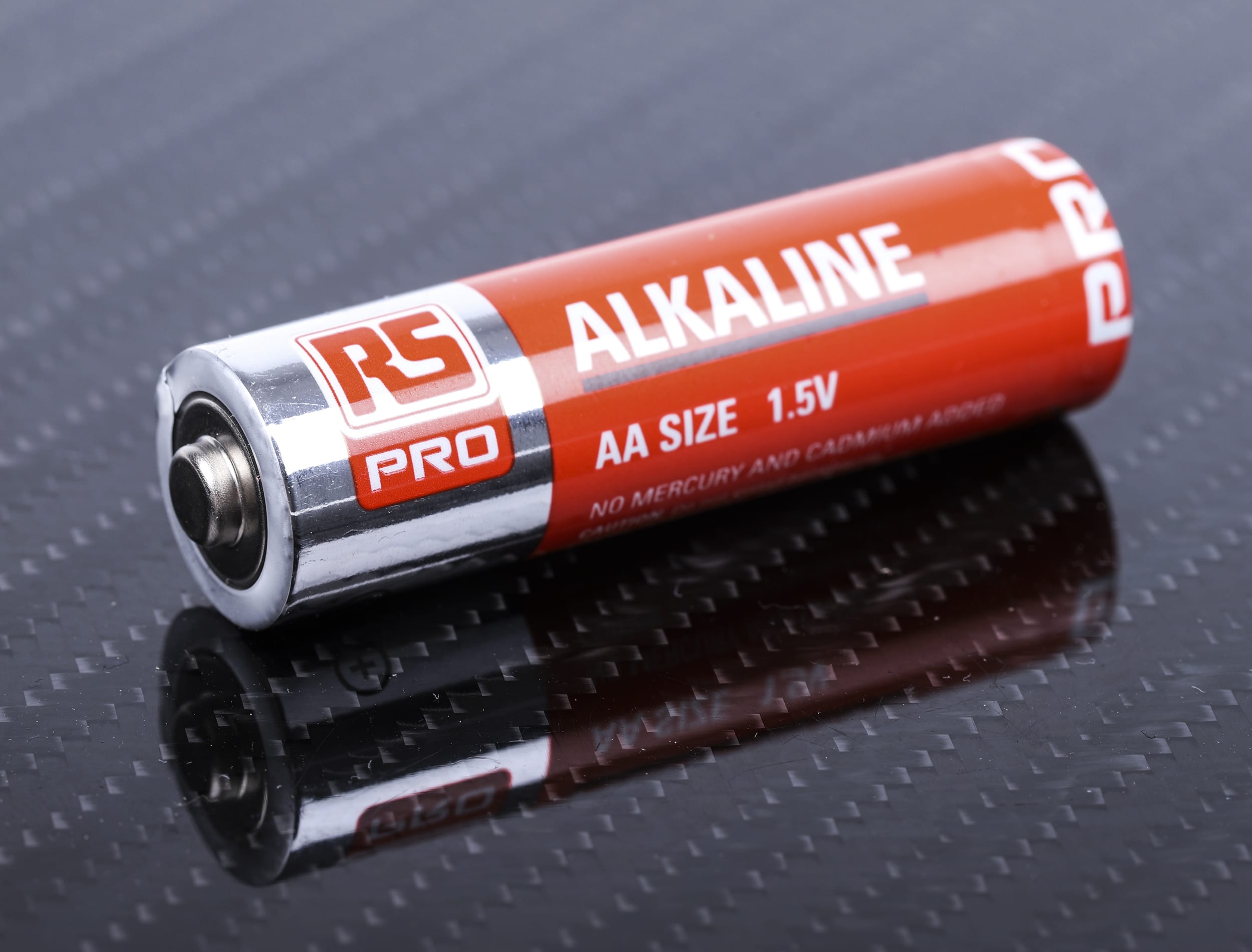
Primary batteries are non-rechargeable batteries designed for single-use applications. These batteries are widely used across the UK due to their convenience and availability. Common examples include alkaline batteries and lithium primary batteries used in remote controls, clocks, and small electronic devices.
One of the main benefits of primary batteries is their long shelf life. They can be stored for extended periods without losing significant charge, making them ideal for emergency devices like torches and smoke alarms. In the UK, alkaline batteries are the most commonly used type in households, thanks to their affordability and reliability.
However, primary batteries are not environmentally friendly compared to rechargeable options. Since they cannot be reused, they contribute to waste if not properly recycled. The UK has strict recycling guidelines to ensure safe disposal, encouraging consumers to drop off used batteries at designated collection points.
Secondary Batteries: Rechargeable Solutions
Secondary batteries, also known as rechargeable batteries, are widely used in the UK for both personal and industrial purposes. These batteries can be recharged multiple times, making them a cost-effective and eco-friendly choice in the long run.
Popular rechargeable battery types in the UK include nickel-metal hydride (NiMH), lithium-ion, and lead-acid batteries. These batteries are commonly found in devices like laptops, smartphones, power tools, and electric vehicles. Their ability to be reused hundreds or even thousands of times makes them highly efficient.
Another advantage of secondary batteries is their lower environmental impact. Although they require more energy to manufacture, their long lifespan reduces overall waste. The UK government actively promotes the use of rechargeable batteries as part of its sustainability initiatives.
Alkaline Batteries: The Household Standard
Alkaline batteries are the most widely used battery type in UK households. They are a type of primary battery known for their reliability, affordability, and ease of use. You will commonly find them in AA and AAA sizes, powering devices like remote controls, toys, and wireless keyboards.
These batteries work by using a chemical reaction between zinc and manganese dioxide. This reaction produces a steady flow of electricity, making them suitable for low to moderate power devices. In the UK, alkaline batteries are available from almost every retail store, making them highly accessible.
Despite their popularity, alkaline batteries have limitations. They are not suitable for high-drain devices such as digital cameras or gaming controllers. Additionally, since they are non-rechargeable, they contribute to environmental waste if not disposed of properly.
Lithium-Ion Batteries: The Modern Powerhouse
Lithium-ion batteries have become one of the most important battery types in the UK. They are widely used in smartphones, laptops, electric vehicles, and renewable energy storage systems. Their high energy density and lightweight design make them ideal for modern technology.
One of the key advantages of lithium-ion batteries is their efficiency. They can store a large amount of energy in a compact size, allowing devices to run longer on a single charge. In the UK, these batteries are a crucial component of the transition towards electric vehicles and sustainable energy solutions.
However, lithium-ion batteries require careful handling. They can be sensitive to extreme temperatures and may pose safety risks if damaged or improperly charged. Despite these concerns, ongoing advancements continue to improve their safety and performance.
Lead-Acid Batteries: Traditional and Reliable
Lead-acid batteries are one of the oldest battery types still widely used in the UK. They are commonly found in vehicles, backup power systems, and industrial applications. Despite their age, they remain popular due to their reliability and low cost.
These batteries work by using lead plates and sulfuric acid to generate electricity. They are capable of delivering high power output, making them suitable for starting car engines. In the UK automotive industry, lead-acid batteries are still the standard choice for most vehicles.
One drawback of lead-acid batteries is their weight and size. They are much heavier than modern battery types like lithium-ion. Additionally, they require regular maintenance and proper disposal due to their toxic components.
Nickel-Metal Hydride (NiMH) Batteries
Nickel-metal hydride batteries are a popular rechargeable option in the UK, often used in household devices and hybrid vehicles. They offer a good balance between performance, cost, and environmental impact.
NiMH batteries have a higher capacity than traditional nickel-cadmium batteries and do not suffer from the same memory effect. This means they can be recharged without needing to be fully discharged first, making them more convenient for everyday use.
Although they are not as advanced as lithium-ion batteries, NiMH batteries are still widely used due to their affordability and reliability. They are particularly popular in devices like cameras, toys, and cordless phones.
Lithium Polymer Batteries
Lithium polymer batteries are a variation of lithium-ion technology and are increasingly used in the UK. These batteries are commonly found in smartphones, drones, and portable electronics.
The main advantage of lithium polymer batteries is their flexibility. They can be manufactured in different shapes and sizes, allowing for more compact and lightweight designs. This makes them ideal for modern electronic devices.
Despite their benefits, lithium polymer batteries can be more expensive than other types. They also require careful handling to prevent damage or overheating. However, their performance and versatility make them a popular choice in the UK market.
Car Batteries in the UK
Car batteries are a critical component of any vehicle, and in the UK, they come in several types. The most common is the lead-acid battery, but newer vehicles are increasingly using advanced options like AGM (Absorbent Glass Mat) and lithium-ion batteries.
AGM batteries are designed for modern vehicles with start-stop systems. They offer better performance and longer lifespan compared to traditional lead-acid batteries. In the UK, these batteries are becoming more common as vehicle technology advances.
Electric vehicles in the UK rely heavily on lithium-ion batteries. These batteries provide the energy needed to power the vehicle and are a key factor in the growing adoption of electric transportation.
Industrial and Commercial Batteries
Industrial batteries are used in large-scale applications across the UK, including manufacturing, telecommunications, and energy storage. These batteries are designed to deliver high power output and long operational life.
Common types include lead-acid, lithium-ion, and flow batteries. Each type is selected based on the specific needs of the application. For example, data centers may use lithium-ion batteries for backup power, while factories may rely on lead-acid batteries for heavy machinery.
The demand for industrial batteries in the UK is growing rapidly, driven by the expansion of renewable energy and the need for reliable power solutions.
Renewable Energy Storage Batteries
As the UK moves towards renewable energy, battery storage systems are becoming increasingly important. These batteries store energy generated from sources like solar panels and wind turbines, allowing it to be used when needed.
Lithium-ion batteries are the most commonly used for energy storage in the UK. They offer high efficiency and long lifespan, making them ideal for residential and commercial applications.
Battery storage systems play a crucial role in reducing reliance on fossil fuels. They help balance energy supply and demand, ensuring a stable and sustainable power grid.
Battery Recycling and Environmental Impact
Battery recycling is a major focus in the UK, with strict regulations in place to reduce environmental harm. Used batteries contain hazardous materials that can damage the environment if not properly disposed of.
The UK encourages recycling through collection points in supermarkets, electronics stores, and recycling centers. Consumers are urged to dispose of batteries responsibly to minimize environmental impact.
Recycling also helps recover valuable materials like lithium, cobalt, and lead. This reduces the need for mining and supports a more sustainable battery industry.
Future Trends in UK Battery Technology
The future of battery technology in the UK looks promising, with ongoing research focused on improving efficiency, safety, and sustainability. Innovations such as solid-state batteries and advanced lithium technologies are expected to revolutionize the industry.
Solid-state batteries, for example, offer higher energy density and improved safety compared to traditional lithium-ion batteries. These advancements could lead to longer-lasting devices and more efficient electric vehicles.
The UK government and private sector are investing heavily in battery research and development. This ensures that the country remains at the forefront of global battery innovation.
Conclusion
Understanding UK battery types is essential in today’s technology-driven world. From simple household batteries to advanced energy storage systems, each type serves a unique purpose. By choosing the right battery, you can improve efficiency, save money, and reduce environmental impact.
As technology continues to evolve, the UK battery market will see even more innovations. Staying informed about these developments will help you make better decisions and adapt to new energy solutions.
FAQs
What are the most common battery types in the UK?
Alkaline, lithium-ion, and lead-acid batteries are the most commonly used types in the UK.
Are rechargeable batteries better than non-rechargeable ones?
Yes, rechargeable batteries are more cost-effective and environmentally friendly over time.
Which battery is best for electric vehicles in the UK?
Lithium-ion batteries are the best choice for electric vehicles due to their high energy density.
Can batteries be recycled in the UK?
Yes, the UK has many recycling programs and collection points for safe battery disposal.
What is the lifespan of a lithium-ion battery?
Lithium-ion batteries typically last between 2 to 10 years depending on usage.
Are lead-acid batteries still used in the UK?
Yes, they are still widely used in vehicles and backup power systems.
What are AGM batteries used for?
AGM batteries are used in modern vehicles with start-stop technology.
Why are lithium batteries popular?
They offer high efficiency, lightweight design, and long lifespan.
How should I store batteries safely?
Store batteries in a cool, dry place away from direct sunlight and heat.
What is the future of battery technology in the UK?
Future developments include solid-state batteries and improved energy storage solutions.