

What Are Bun Pennies?
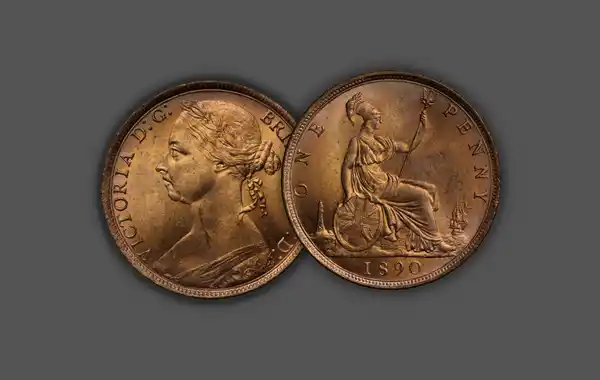
Bun pennies are a fascinating part of British coin history, and if you have ever come across old coins, there is a good chance you might have seen one without even realizing its importance. These coins were minted during the reign of Queen Victoria and are officially known as “bun head pennies.” The name comes from the hairstyle worn by the Queen on the coin, where her hair is tied back in a bun, giving the coin its popular nickname.
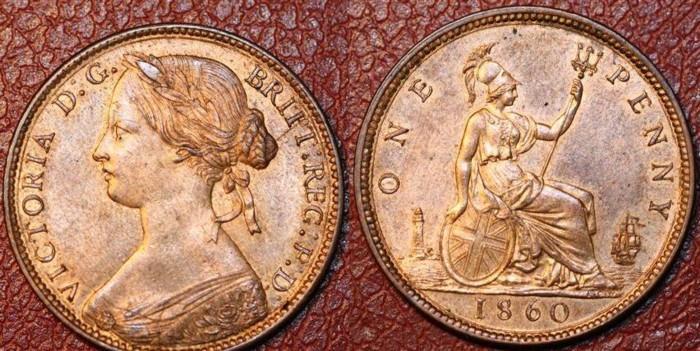
The bun penny was introduced in 1860 and remained in circulation until 1894. It replaced the earlier “young head” design and marked a significant shift in British coinage. The design was more mature, reflecting Queen Victoria’s age and status at the time. These coins were widely used in everyday transactions, making them a common part of life in the Victorian era.
What makes bun pennies especially interesting is not just their design, but their historical context. They were produced during a time of industrial growth and expansion in Britain. As a result, they are more than just coins—they are small pieces of history that tell a story about trade, economy, and society during the 19th century.
The History Behind Bun Pennies
The story of bun pennies begins in the mid-19th century when changes in technology allowed for improved coin production. Before 1860, pennies were made of copper, which made them heavy and expensive to produce. With advancements in metallurgy, the Royal Mint introduced bronze coins, which were lighter and more cost-effective. This change led to the creation of bun pennies.
During Queen Victoria’s reign, Britain was experiencing rapid industrialization. Railways, factories, and global trade were expanding, and there was a growing need for reliable currency. Bun pennies played a key role in supporting this economic activity. They were used by people from all walks of life, from factory workers to merchants.
Another important aspect of bun penny history is their global reach. At the time, the British Empire was vast, and British coins circulated in many parts of the world. This means bun pennies were not just used in Britain but also in colonies and trading regions, making them an international currency of their time.
Design and Features of Bun Pennies
One of the most recognizable features of bun pennies is the portrait of Queen Victoria. The design was created by Leonard Charles Wyon, a talented engraver who worked for the Royal Mint. The portrait shows the Queen with her hair tied in a bun, which gives the coin its name.
On the reverse side of the coin, you will find the image of Britannia, a symbol of British strength and unity. She is shown seated, holding a trident and shield, with the sea in the background. This design remained consistent throughout the bun penny series, making it easy to identify these coins.
The material used for bun pennies is another key feature. Unlike earlier copper coins, bun pennies were made of bronze, which is a mixture of copper, tin, and zinc. This gave the coins a distinctive color and improved durability. Over time, many bun pennies have developed a dark patina, which collectors often find appealing.
Why Bun Pennies Are Valuable Today
Bun pennies have become popular among coin collectors for several reasons. First, they are relatively old, dating back over a century. This alone makes them interesting to collectors who enjoy owning historical items. However, age is not the only factor that determines their value.
The rarity of certain bun pennies plays a major role in their worth. Some years had lower mintages, meaning fewer coins were produced. As a result, these coins are harder to find today and can be quite valuable. For example, coins from specific years or with unique variations can fetch high prices in the collector market.
Condition is another important factor. Coins that are well-preserved, with clear details and minimal wear, are more valuable than those that are heavily worn. Collectors often look for coins in “mint” or “near mint” condition, which can significantly increase their price.
Different Types of Bun Pennies
Not all bun pennies are the same, and understanding the different types can help you appreciate their uniqueness. Over the years, there were several variations in design and production, which have become important to collectors.
One of the main differences lies in the date and minting year. Each year, slight changes could occur in the design or production process. These variations might be small, but they can make a big difference in value. Some collectors specialize in collecting bun pennies from every year, creating a complete set.
Another type of variation involves errors. Occasionally, mistakes were made during the minting process, resulting in coins with unusual features. These error coins are rare and often highly sought after. Examples include double strikes, misaligned designs, or unusual markings.
How to Identify a Genuine Bun Penny
If you are interested in collecting bun pennies, it is important to know how to identify a genuine coin. With the popularity of coin collecting, there is always a risk of encountering counterfeit items. Fortunately, there are several ways to verify authenticity.
First, examine the design closely. Genuine bun pennies have detailed and consistent designs. The portrait of Queen Victoria should be clear, and the lettering should be sharp. Any signs of poor quality or unusual features could indicate a fake.
Second, check the weight and size of the coin. Bun pennies have standard measurements, and any significant deviation could be a red flag. Using a scale and measuring tools can help you confirm whether the coin matches the expected specifications.
Finally, consider consulting an expert. Professional coin dealers or numismatists can provide valuable insights and help you verify the authenticity of a coin. This is especially important if you are dealing with a rare or expensive piece.
Collecting Bun Pennies as a Hobby
Coin collecting, also known as numismatics, is a rewarding hobby, and bun pennies are a great starting point. They are relatively affordable compared to other rare coins, making them accessible to beginners. At the same time, they offer plenty of depth for more experienced collectors.
One of the joys of collecting bun pennies is the hunt for different variations. Searching for coins from different years or with unique features can be exciting and challenging. It also encourages you to learn more about history and coin production.
Another benefit of this hobby is the sense of accomplishment. Building a collection takes time and effort, and each new addition brings a sense of achievement. Whether you are collecting for fun or investment, bun pennies offer a satisfying experience.
Tips for Buying Bun Pennies
If you are planning to buy bun pennies, there are a few important tips to keep in mind. First, always buy from reputable sellers. This reduces the risk of purchasing counterfeit coins and ensures you are getting a fair deal.
Second, do your research before making a purchase. Understanding the value of different bun pennies can help you make informed decisions. Look at price guides, auction results, and expert opinions to get a better idea of what a coin is worth.
Third, consider starting with common coins. These are usually more affordable and easier to find. As you gain experience, you can move on to rarer and more valuable pieces. This approach helps you build your knowledge and confidence over time.
Caring for Your Bun Penny Collection
Proper care is essential to الحفاظ the value and condition of your bun pennies. Coins can be damaged by improper handling, exposure to moisture, or harsh cleaning methods. Taking the right precautions will help preserve your collection.
Always handle coins with clean hands or gloves to avoid transferring oils and dirt. Store them in protective holders or albums designed for coins. This helps prevent scratches and environmental damage.
Avoid cleaning your coins unless absolutely necessary. Cleaning can remove the natural patina and reduce the coin’s value. If cleaning is required, it is best to seek professional advice to ensure it is done safely.
The Investment Potential of Bun Pennies
In addition to being a hobby, collecting bun pennies can also be a form of investment. Over time, rare and well-preserved coins can increase in value. This makes them attractive to collectors who are looking for both enjoyment and financial gain.
However, it is important to approach coin collecting with realistic expectations. Not all bun pennies will become valuable, and market conditions can change. It is best to focus on quality and rarity rather than quantity.
Diversifying your collection can also help reduce risk. By including a mix of common and rare coins, you can create a balanced portfolio. This approach increases your chances of benefiting from potential value growth.
Common Mistakes to Avoid
When collecting bun pennies, beginners often make a few common mistakes. One of the biggest errors is overpaying for coins due to lack of knowledge. Taking the time to research and compare prices can help you avoid this issue.
Another mistake is improper storage. Failing to protect your coins can lead to damage and loss of value. Investing in proper storage solutions is a simple but important step.
Lastly, some collectors focus too much on quantity rather than quality. It is better to have a few high-quality coins than a large number of low-grade ones. Quality coins are more likely to retain and increase their value over time.
The Cultural Significance of Bun Pennies
Bun pennies are more than just coins; they are cultural artifacts that reflect the values and identity of their time. The image of Queen Victoria represents stability and continuity, while the figure of Britannia symbolizes national pride.
These coins also provide insight into daily life during the Victorian era. They were used in everyday transactions, making them a part of people’s lives. Holding a bun penny today is like holding a piece of history in your hand.
Collectors and historians alike value bun pennies for their ability to connect us with the past. They serve as reminders of a time when the world was changing rapidly, and they continue to inspire interest and curiosity.
FAQs
What is a bun penny?
A bun penny is a British coin from Queen Victoria’s era featuring her hair in a bun design.
When were bun pennies made?
They were minted between 1860 and 1894.
Why are bun pennies valuable?
Their age, rarity, and condition determine their value.
Are all bun pennies rare?
No, some are common while others are rare depending on the year and variation.
How can I tell if a bun penny is real?
Check the design, weight, and consult an expert if unsure.
Can I clean my bun pennies?
It is not recommended as cleaning can reduce their value.
Where can I buy bun pennies?
You can buy them from reputable coin dealers or auctions.
Are bun pennies a good investment?
They can be, especially rare and well-preserved ones.
What material are bun pennies made of?
They are made of bronze.
Why are they called bun pennies?
Because Queen Victoria’s hairstyle on the coin is tied in a bun.
Also read:Eyton on Severn: A Complete Expert Guide to This Hidden Riverside Gem