

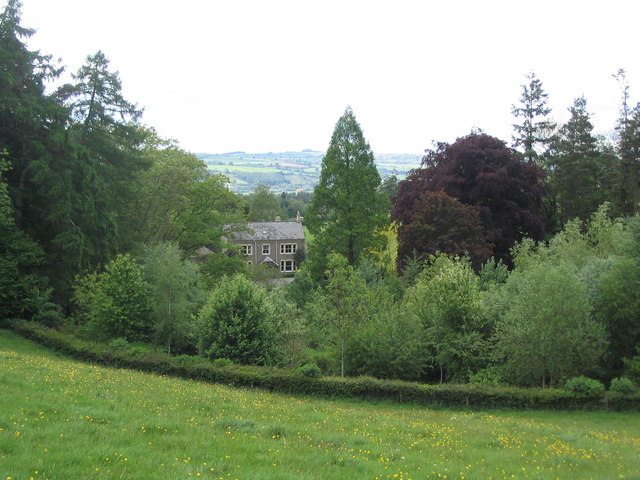
Introduction to Cusop Dingle
Cusop Dingle is one of those rare places that quietly holds onto its charm without seeking attention. Nestled near the border of England and Wales, this small but captivating woodland valley offers a peaceful escape for nature lovers, walkers, and anyone looking to disconnect from the noise of modern life. While it may not be as widely known as other UK countryside spots, that is exactly what makes it so special.
Located close to the historic town of Hay-on-Wye, Cusop Dingle sits within a picturesque landscape filled with rolling hills, ancient trees, and a gentle stream that runs through its heart. The area forms part of a wider natural environment that has been shaped over centuries by both natural forces and human activity. Today, it stands as a peaceful sanctuary where visitors can enjoy the simple beauty of nature.
What makes Cusop Dingle truly unique is its combination of accessibility and seclusion. It is easy enough to reach for a casual day trip, yet once you step into the dingle, it feels like entering a completely different world. The sounds of traffic fade away, replaced by birdsong, rustling leaves, and flowing water. This balance makes it an ideal destination for both first-time visitors and seasoned countryside explorers.
The Meaning and Origin of the Name

The word “dingle” itself has a charming and somewhat old-fashioned feel. In traditional British English, a dingle refers to a small, wooded valley or hollow, often with a stream running through it. This perfectly describes the layout of Cusop Dingle, where the land dips gently and is surrounded by dense greenery.
The name “Cusop” is linked to the nearby village of Cusop, which has a long and interesting history dating back many centuries. The village sits just a short distance from the dingle and shares a close connection with it, both geographically and culturally. Over time, the dingle took on the village’s name, creating the identity we know today.
Understanding the name helps to paint a clearer picture of what to expect when visiting. Cusop Dingle is not a vast national park or a dramatic mountain range. Instead, it is a quiet, intimate natural space that invites you to slow down and appreciate the details. From the curve of the stream to the texture of the tree bark, everything about the place encourages a deeper connection with nature.
Location and Accessibility
Cusop Dingle is located in the county of Herefordshire, right on the edge of the Welsh border. This positioning gives it a unique character, blending elements of both English and Welsh landscapes. The surrounding area is known for its scenic beauty, making the journey to the dingle just as enjoyable as the destination itself.
For those travelling by car, the dingle is easily accessible from nearby towns such as Hay-on-Wye and Hereford. There are small roads leading towards the area, and while signage may not always be obvious, this adds to the sense of discovery. Many visitors enjoy the experience of finding Cusop Dingle for the first time, as it feels like uncovering a hidden treasure.
Public transport options are more limited, which is common for rural locations in the UK. However, it is still possible to reach the general area by bus and then walk the remaining distance. This approach is particularly popular among hikers who enjoy longer routes and want to explore the countryside more fully. Once you arrive, the dingle itself is easy to navigate, with natural paths guiding you through the landscape.
Natural Landscape and Features
The defining feature of Cusop Dingle is its lush, green environment. The valley is filled with a variety of trees, including oak, ash, and hazel, creating a canopy that filters sunlight in a soft and calming way. This makes the dingle feel cool and shaded, even on warmer days.
At the centre of the dingle runs a small stream, which adds both movement and sound to the landscape. The gentle flow of water creates a soothing atmosphere, making it an ideal place for relaxation and reflection. In some areas, the stream forms small pools and cascades, adding to the visual appeal.
The terrain is gently uneven, with small slopes and dips that give the area its distinctive shape. While it is not particularly challenging to walk through, it still offers enough variation to keep things interesting. The combination of trees, water, and varied ground creates a rich and immersive natural environment that appeals to all the senses.
Flora and Fauna in Cusop Dingle
Cusop Dingle is home to a wide range of plant and animal life, making it a valuable ecological space. The woodland environment supports many different species, from common birds to more elusive wildlife. This biodiversity is one of the key reasons why the area is so special.
In spring, the dingle comes alive with wildflowers such as bluebells and primroses. These flowers create a colourful carpet across the forest floor, attracting insects and adding to the overall beauty of the المكان. The changing seasons bring different colours and textures, ensuring that no two visits are ever the same.
Birdwatchers will find plenty to enjoy, as the area is home to species like robins, blackbirds, and woodpeckers. Small mammals such as squirrels can often be seen moving through the trees, while the stream may attract amphibians and insects. The presence of these creatures adds life and movement to the dingle, making it feel vibrant and dynamic.
Walking and Hiking Opportunities
One of the main reasons people visit Cusop Dingle is for walking. The area offers a range of paths that cater to different levels of experience, from gentle strolls to slightly more adventurous routes. This makes it suitable for families, solo walkers, and groups alike.
The paths are mostly natural, with some areas being more defined than others. This gives the experience an authentic feel, as you are walking through a landscape that has not been overly developed or altered. It also means that visitors should wear appropriate footwear, especially after rain when the ground can become muddy.
For those looking to extend their walk, Cusop Dingle connects to a wider network of trails in the surrounding countryside. This allows for longer hikes that take in additional viewpoints and landscapes. Many visitors enjoy combining a walk through the dingle with a visit to nearby hills or villages, creating a full day of exploration.
Seasonal Changes and Best Time to Visit
Cusop Dingle is a place that changes significantly with the seasons, each offering its own unique experience. Spring is perhaps the most popular time to visit, as the woodland bursts into life with fresh leaves and blooming flowers. The air feels crisp and full of energy, making it perfect for walking.
Summer brings warmer temperatures and longer days, allowing visitors to spend more time exploring. The dense tree cover provides shade, making it a comfortable environment even during hotter weather. This season is ideal for picnics and leisurely walks.
Autumn transforms the dingle into a landscape of rich colours, with leaves turning shades of red, orange, and gold. This creates a stunning visual display that attracts photographers and nature enthusiasts. Winter, on the other hand, offers a quieter and more reflective atmosphere, with bare trees revealing the structure of the landscape.
Historical and Cultural Context
While Cusop Dingle is primarily known for its natural beauty, it also has a subtle historical presence. The surrounding area has been inhabited for centuries, and traces of past human activity can still be found. This adds an extra layer of interest for those who enjoy exploring history alongside nature.
Nearby Hay-on-Wye is famous for its literary culture and hosts the renowned Hay Festival. This cultural influence extends into the surrounding countryside, including Cusop Dingle, where visitors often combine nature walks with cultural experiences.
The relationship between people and the land has shaped the dingle over time. Traditional land management practices have helped to maintain its character, ensuring that it remains a balanced and sustainable environment. Understanding this history adds depth to the experience of visiting the area.
Photography and Scenic Views
Cusop Dingle is a dream location for photographers, offering a wide range of subjects and lighting conditions. The interplay of light and shadow within the woodland creates interesting compositions, while the stream provides a focal point for many shots.
Early morning and late afternoon are particularly good times for photography, as the light is softer and more atmospheric. Mist can sometimes settle in the valley, adding a magical quality to the scene. Seasonal changes also provide different opportunities, from spring flowers to autumn leaves.
Even for those who are not professional photographers, the dingle offers countless opportunities to capture beautiful images. Whether using a camera or a smartphone, visitors can easily take home visual memories of their time in this peaceful المكان.
Conservation and Environmental Importance
Cusop Dingle is not just a beautiful place; it is also an important ecological site. Efforts have been made to preserve its natural features and protect the wildlife that يعيش there. This includes maintaining the health of the woodland and ensuring that the stream remains clean and free-flowing.
Visitors play a key role in conservation by respecting the environment. Simple actions such as staying on paths, not littering, and avoiding disturbance to wildlife can make a big difference. These practices help to ensure that the dingle remains in good condition for future generations.
Local organisations and volunteers often contribute to conservation efforts, working to manage the land and monitor its health. Their work highlights the importance of community involvement in protecting natural spaces like Cusop Dingle.
Tips for Visiting Cusop Dingle
Planning a visit to Cusop Dingle is relatively straightforward, but a few tips can help you make the most of your experience. First, it is important to check the weather, as conditions can change quickly in rural areas. Being prepared will ensure a more enjoyable visit.
Wearing suitable footwear is essential, as the paths can be uneven and sometimes slippery. Bringing water and snacks is also a good idea, especially if you plan to spend several hours exploring. While the area is peaceful, it is still important to be mindful of safety and stay aware of your surroundings.
Finally, take your time. Cusop Dingle is not a place to rush through. It is best enjoyed slowly, allowing yourself to notice the details and fully appreciate the natural beauty around you.
Conclusion
Cusop Dingle is a hidden gem that offers a perfect blend of natural beauty, tranquillity, and subtle cultural significance. Its location near Hay-on-Wye and within Herefordshire makes it easily accessible, yet it retains a sense of seclusion that is increasingly rare.
Whether you are a keen walker, a nature enthusiast, or simply someone looking for a peaceful escape, Cusop Dingle has something to offer. Its changing seasons, rich biodiversity, and calming atmosphere make it a destination worth visiting again and again.
In a world that often feels fast-paced and overwhelming, places like Cusop Dingle remind us of the value of simplicity and connection with nature. It is not just a location; it is an experience that stays with you long after you leave.
FAQs
What is Cusop Dingle known for? Cusop Dingle is known for its peaceful woodland valley, scenic walking paths, and natural beauty.
Where is Cusop Dingle located? It is located in Herefordshire, England, near the town of Hay-on-Wye.
Is Cusop Dingle suitable for beginners? Yes, it offers gentle walking paths suitable for most visitors.
What is the best time to visit Cusop Dingle? Spring and autumn are the most popular due to seasonal beauty.
Can you see wildlife in Cusop Dingle? Yes, birds, small mammals, and various plants are commonly found there.
Also read:Cutmadoc: A Complete Expert Guide to Understanding Its Meaning, Uses, and Growing Relevance