

Introduction to the Pear Williams Tree
The Pear Williams tree is one of those rare fruit trees that manages to combine history, flavor, reliability, and beauty into a single plant. If you have ever bitten into a perfectly ripe pear that felt buttery smooth and tasted intensely sweet, there is a strong chance it came from a Williams pear tree. Known scientifically as Pyrus communis, this variety has built a reputation among gardeners, orchard owners, and fruit enthusiasts for centuries.
What makes the Williams pear tree particularly fascinating is its universal appeal. Beginners love it because it is relatively forgiving compared to many other fruit trees, while experienced growers appreciate its consistent yields and market value. Whether planted in a backyard garden or across acres of farmland, this tree tends to perform impressively when given the right conditions.
Another reason this tree continues to dominate orchards worldwide is its versatility. The fruit is excellent for fresh eating, canning, baking, juicing, and even distillation. In fact, many premium pear brandies rely specifically on Williams pears due to their aromatic profile. This adaptability has helped the tree remain relevant even as newer fruit varieties enter the market.
Beyond its fruit, the tree itself is visually appealing. During spring, it bursts into clusters of delicate white blossoms that can rival ornamental trees. In summer, the deep green foliage provides cooling shade, and by early autumn, the branches hang heavy with golden fruit. For many homeowners, planting a Williams pear tree is as much about enhancing landscape beauty as it is about harvesting delicious pears.
Understanding this tree, however, requires more than just admiration. Proper care, pruning, soil preparation, pest management, and harvesting techniques all play vital roles in ensuring the tree thrives. In this guide, we will explore everything you need to know — from its historical roots to advanced growing strategies — so that whether you are planting your first tree or managing a productive orchard, you can get the absolute best results.
The History and Origins of the Williams Pear Tree
The story of the Williams pear tree begins in England during the late 18th century. Originally discovered by a schoolteacher named John Stair in Berkshire, the pear quickly gained attention for its exceptional flavor and texture. However, it wasn’t until a nurseryman named Richard Williams began promoting the variety that it truly became famous. His name eventually became permanently associated with the fruit, leading to the now widely recognized “Williams” pear.
Interestingly, the same pear is known by different names depending on where you are in the world. In the United States, it is often called the Bartlett pear — a naming mix-up that occurred when the variety was imported and mistakenly renamed after a nurseryman named Enoch Bartlett. Despite the confusion, both names refer to the exact same fruit, and today it remains one of the most commercially important pear varieties globally.
As trade expanded throughout the 19th century, the Williams pear tree traveled across Europe and eventually to North America, Australia, and parts of South America. Growers quickly realized that the tree adapted well to diverse climates, provided winters were cool enough to meet its dormancy requirements. Its predictable harvest and strong consumer demand made it a cornerstone of early commercial orchards.
The pear also developed cultural significance in several regions. In France, it became the preferred pear for producing eau-de-vie, a traditional fruit brandy. Meanwhile, British gardeners prized it as a dependable addition to cottage gardens. Over time, the tree earned a reputation not just as a fruit producer but as a symbol of horticultural excellence.
Today, centuries after its discovery, the Williams pear tree continues to dominate pear production charts. Many modern pear breeding programs even use it as a parent variety because of its desirable traits — flavor, productivity, and resilience. Few fruit trees can claim such a lasting legacy.
Botanical Characteristics of the Pear Williams Tree
At first glance, the Williams pear tree might seem like a typical deciduous fruit tree, but a closer look reveals several features that distinguish it from other pear varieties. Mature trees typically reach heights of 15 to 20 feet when grown on standard rootstock, though dwarf versions can remain much smaller and are ideal for compact gardens.
The canopy usually develops into a rounded or slightly pyramidal shape. This structure allows sunlight to penetrate the interior branches, which is essential for fruit development. Leaves are glossy, oval-shaped, and finely serrated along the edges, giving the tree a lush and vibrant appearance throughout the growing season.
One of the most striking phases of the tree’s life cycle occurs in early spring. Before the leaves fully emerge, clusters of white flowers blanket the branches. Each blossom consists of five petals and subtle pink undertones that become more visible in cooler weather. These flowers are not only beautiful but also crucial for fruit formation, attracting bees and other pollinators.
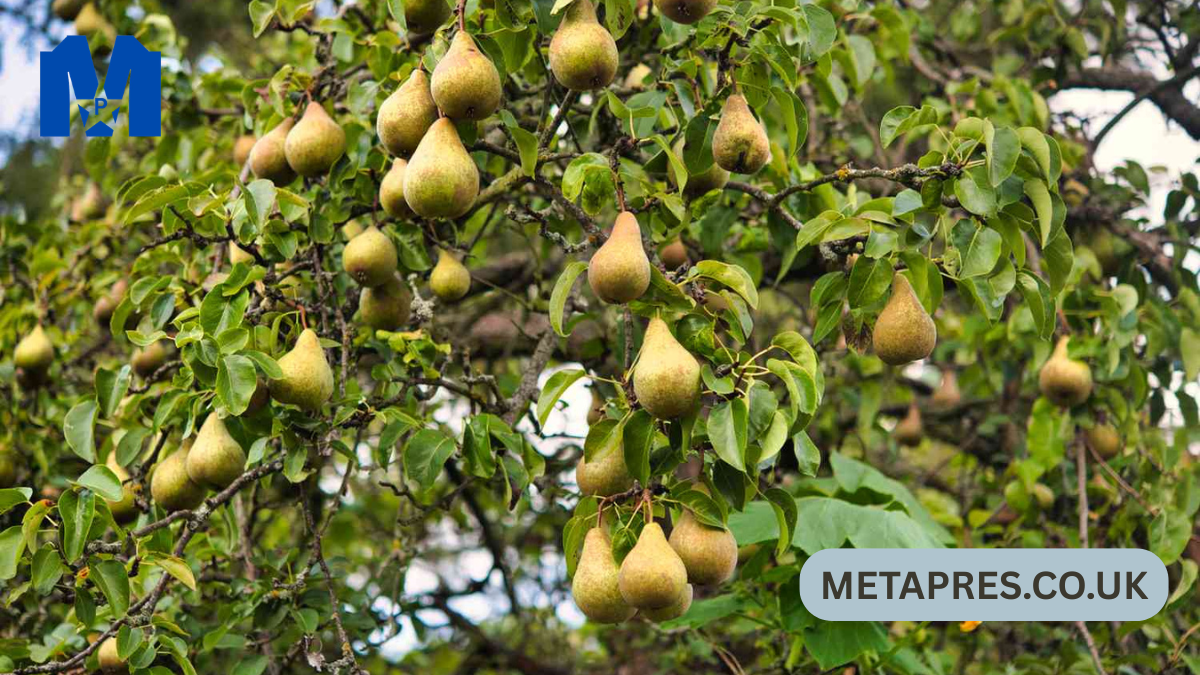
The fruit itself is instantly recognizable. Williams pears have the classic pear silhouette — broad at the base and narrowing toward the stem. Their skin transitions from green to a warm yellow as they ripen, sometimes developing a soft red blush when exposed to sunlight. Inside, the flesh is creamy white, exceptionally juicy, and almost melting in texture.
Another notable trait is the tree’s growth rate. Young Williams pear trees establish themselves relatively quickly, often producing their first meaningful harvest within three to five years. With proper care, they can remain productive for decades, making them an excellent long-term investment for gardeners.
The root system is moderately deep but not overly aggressive, allowing the tree to coexist with nearby plants if spaced correctly. This makes it suitable for mixed orchards or diversified home gardens.
Understanding these botanical characteristics helps growers make smarter decisions about placement, pruning, and maintenance — all of which directly influence fruit quality and yield.
Climate Requirements and Ideal Growing Zones
Choosing the right climate is one of the most important factors in successfully growing a Pear Williams tree. While the tree is adaptable, it performs best in temperate regions where winters are cold enough to provide the chill hours necessary for dormancy. Without sufficient winter chilling, the tree may struggle to produce flowers, ultimately reducing fruit yield.
Typically, the Williams pear thrives in USDA hardiness zones 5 through 8. These zones offer the balanced seasonal transitions that the tree prefers — cold winters, mild springs, warm summers, and cool autumns. Excessively warm climates can cause irregular blooming, while extremely harsh winters may damage young branches.
Spring frost is another critical consideration. Because the tree flowers relatively early, a late frost can destroy blossoms and eliminate the season’s crop almost overnight. Gardeners in frost-prone areas often plant their trees on slightly elevated ground, where cold air is less likely to settle.
Sunlight plays a massive role in fruit development. Williams pear trees require at least six to eight hours of direct sunlight daily. Insufficient light leads to weaker growth, fewer blossoms, and fruit that lacks sweetness. When scouting a planting location, prioritize open spaces away from tall structures or dense tree cover.
Wind exposure should also be managed carefully. While mature trees can tolerate moderate wind, strong gusts can snap branches laden with fruit. Installing windbreaks or planting near protective hedges can significantly reduce this risk.
Humidity levels matter more than many growers realize. Extremely humid environments can encourage fungal diseases such as fire blight and pear scab. Proper spacing between trees helps improve airflow, which naturally reduces moisture buildup on leaves.
Rainfall requirements are moderate. The tree prefers consistent moisture but dislikes waterlogged soil. Areas with heavy rainfall should ensure proper drainage to prevent root rot.
By aligning your planting strategy with the tree’s climate preferences, you dramatically increase your chances of cultivating a healthy, productive tree that rewards you with abundant harvests year after year.
Soil Preparation for Optimal Growth
The foundation of every healthy Pear Williams tree begins below the surface, in the soil where its roots will anchor and draw nutrients for decades. Many growers underestimate how important soil preparation is, but experienced orchardists know that investing time before planting often determines whether a tree merely survives or truly thrives. Williams pear trees prefer soil that is rich, well-draining, and slightly loamy, offering a balance between moisture retention and aeration.
Before planting, it is wise to test your soil’s pH level. Ideally, the pH should fall between 6.0 and 7.0, which allows the tree to absorb nutrients efficiently. If the soil is too acidic, adding garden lime can help raise the pH. Conversely, if the soil leans too alkaline, incorporating organic matter such as compost or well-rotted manure can gradually bring it back into balance. These adjustments may seem minor, but they can significantly influence root health and overall tree vigor.
Drainage is another critical factor. Pear trees dislike sitting in water, and roots that remain soggy are prone to rot and disease. If your soil tends to be heavy clay, consider mixing in coarse sand and organic compost to improve its structure. Raised beds are also a smart option in areas where drainage is consistently problematic. The goal is to create an environment where water flows through the soil rather than stagnating around the roots.
Adding organic matter does more than improve drainage; it enriches the soil with beneficial microorganisms that support nutrient cycling. Over time, this living ecosystem helps the tree access minerals naturally, reducing the need for heavy fertilization. Think of it as building a long-term support system rather than relying on quick fixes.
It is also helpful to clear the planting area of weeds and grass before introducing your tree. Competing plants can steal moisture and nutrients during the crucial establishment phase. A clean planting zone gives your Williams pear the best possible start and reduces stress during its early growth.
Preparing soil might not be the most exciting part of gardening, but it is undoubtedly one of the most rewarding. When roots are given the right environment, the tree responds with stronger growth, better disease resistance, and eventually, more flavorful fruit.
How to Plant a Pear Williams Tree the Right Way
Planting a Pear Williams tree is more than digging a hole and hoping for the best. A thoughtful planting process sets the stage for decades of productivity, and surprisingly, many long-term tree problems can be traced back to poor planting techniques. Taking a careful approach ensures the young tree adapts quickly and establishes a resilient root system.
Start by digging a hole roughly twice as wide as the root ball but no deeper than the tree was originally planted in the nursery container. Depth matters — planting too deeply can suffocate the roots, while planting too shallow may expose them to temperature fluctuations. The graft union, which appears as a slight bulge near the base of the trunk, should sit a few inches above the soil line to prevent scion rooting.
Before placing the tree into the hole, gently loosen any circling roots. Container-grown trees sometimes develop roots that spiral around the pot, and if left untouched, they may continue that pattern underground, eventually restricting growth. Spreading the roots outward encourages them to explore the surrounding soil.
Once positioned, backfill the hole with the native soil you removed rather than heavily amended mixes. While it might seem beneficial to add lots of fertilizer immediately, overly rich soil can discourage roots from expanding beyond the planting hole. Firm the soil lightly as you go to eliminate air pockets, but avoid compacting it too tightly.
After planting, water deeply. This initial watering helps settle the soil and brings roots into direct contact with moisture. Adding a layer of mulch around the base — about two to three inches thick — helps regulate soil temperature and conserve moisture. Just be sure to keep mulch a few inches away from the trunk to prevent rot.
Staking is sometimes recommended, particularly in windy areas. However, it should be done loosely to allow slight movement, which actually strengthens the trunk over time. Remove stakes after the first year once the tree becomes stable.
Patience is essential after planting. While it may take a season or two before you see vigorous growth, what is happening underground is far more important. A well-planted Williams pear tree is quietly building the structure it needs for a lifetime of harvests.
Pollination: The Secret to Heavy Fruit Production
One of the most common surprises for new growers is learning that most pear trees, including the Williams variety, are not reliably self-pollinating. While some trees may produce a small crop on their own, consistent and abundant fruiting usually requires cross-pollination from another compatible pear variety. This is where thoughtful orchard planning becomes incredibly valuable.
Pollination occurs when bees transfer pollen from the flowers of one tree to another. Without this exchange, blossoms may fall prematurely, leaving you with little to harvest. Choosing a pollination partner that blooms at roughly the same time is crucial. Varieties such as Conference, Bosc, or Anjou are often excellent companions because their flowering periods overlap.
If space is limited, you might wonder whether planting two trees is practical. Fortunately, even neighboring pear trees within about 50 feet can often provide sufficient pollination, meaning you could coordinate with a neighbor or plant trees along a shared boundary. Some gardeners even graft multiple pear varieties onto a single tree to solve the pollination challenge creatively.
Encouraging pollinators is just as important as selecting the right varieties. Avoid spraying pesticides during bloom season, as these chemicals can deter or harm bees. Instead, consider planting pollinator-friendly flowers nearby to create an inviting environment for beneficial insects.
Weather also plays a role in successful pollination. Cold, rainy, or windy conditions during bloom time can reduce bee activity, leading to lighter fruit sets. While you cannot control the weather, maintaining overall tree health ensures it is ready to take advantage of favorable conditions when they arrive.
Understanding pollination transforms the way you approach growing pear trees. Rather than leaving fruit production to chance, you actively design an ecosystem that supports reliable harvests year after year.
Watering Techniques for Strong Root Development
Water management is one of the most delicate balancing acts in caring for a Pear Williams tree. Too little water can stunt growth and reduce fruit size, while too much can suffocate roots and invite disease. The key lies in consistency rather than extremes.
Young trees require more frequent watering because their root systems have not yet expanded deeply into the soil. During the first year, a slow, deep watering once or twice a week is usually more effective than light daily sprinkling. Deep watering encourages roots to grow downward, making the tree more drought-resistant over time.
As the tree matures, its watering needs change. Established Williams pear trees are surprisingly resilient and can tolerate short dry spells. However, prolonged drought — especially during fruit development — can lead to smaller pears or premature fruit drop. Monitoring soil moisture rather than following a rigid schedule is often the smartest approach.
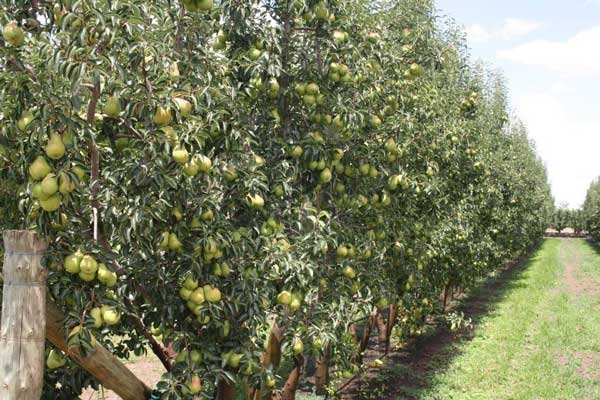
Drip irrigation systems are particularly effective because they deliver water directly to the root zone with minimal waste. This method also keeps foliage dry, which helps prevent fungal diseases. If drip irrigation is not an option, watering early in the morning allows excess moisture on leaves to evaporate throughout the day.
Mulching once again proves its value here. A proper mulch layer reduces evaporation, keeps soil temperatures stable, and limits weed competition. Organic mulches gradually break down, further enriching the soil.
It is worth noting that overwatering is often more harmful than underwatering. Constantly saturated soil deprives roots of oxygen, weakening the tree and making it vulnerable to pathogens. When in doubt, check the soil a few inches below the surface — if it feels moist, watering can usually wait.
By mastering watering practices early, you help your Williams pear tree develop the deep, strong roots necessary for long-term health and productivity.
Fertilization Strategies That Actually Work
Feeding a Pear Williams tree is less about aggressive fertilization and more about thoughtful nutrient management. Many gardeners assume that more fertilizer equals faster growth, but excessive feeding can produce lush foliage at the expense of fruit production. Balance is everything.
In the early years, a light application of a balanced fertilizer in spring is typically sufficient. Look for blends that provide nitrogen, phosphorus, and potassium in moderate amounts. Nitrogen supports leafy growth, phosphorus strengthens roots, and potassium enhances overall resilience.
Organic options are gaining popularity for good reason. Compost, aged manure, and natural soil amendments release nutrients gradually, reducing the risk of fertilizer burn. They also improve soil structure, which benefits root health in the long run.
As the tree matures, annual soil testing becomes increasingly valuable. Rather than guessing what your tree needs, you can tailor fertilization based on actual nutrient levels. This precision prevents both deficiencies and excesses.
Timing matters just as much as the type of fertilizer used. Feeding too late in the growing season can stimulate tender new growth that may not harden before winter, making it susceptible to frost damage. Early spring is generally the safest window.
Visual cues often reveal whether a tree is underfed. Pale leaves, weak growth, or reduced fruit size may indicate nutrient shortages. On the other hand, overly vigorous shoots with little fruit suggest too much nitrogen.
Ultimately, fertilization should support steady, controlled growth rather than rapid expansion. A well-nourished Williams pear tree channels its energy into producing high-quality fruit instead of excessive foliage.
Pruning for Structure, Health, and Productivity
Pruning might feel intimidating at first, but it is one of the most powerful tools you have for shaping the future of your Pear Williams tree. Done correctly, pruning improves airflow, enhances sunlight penetration, and directs the tree’s energy toward fruit-bearing branches.
The best time to prune is during late winter while the tree remains dormant. Without leaves in the way, you can clearly see the branch structure and make more strategic decisions. Start by removing dead, damaged, or diseased wood — this alone significantly improves tree health.
Next, focus on creating an open canopy. Branches that cross or rub against each other should be eliminated, as friction wounds can invite pests and disease. Aim for a balanced framework where major limbs are spaced evenly around the trunk.
Young trees benefit from formative pruning that establishes a strong scaffold structure. Think of this as building the architectural blueprint for future growth. A well-shaped tree is easier to maintain and harvest.
Avoid the temptation to over-prune. Removing too much wood at once can shock the tree and trigger excessive vegetative growth. A good rule of thumb is to never remove more than about one-third of the canopy in a single season.
Summer pruning can also be useful for controlling overly vigorous shoots and maintaining shape. However, it should be done sparingly compared to winter pruning.
With practice, pruning becomes less of a chore and more of an art. Each thoughtful cut guides the tree toward better productivity, longevity, and beauty.
Growth Timeline: What to Expect Year by Year
Growing a Pear Williams tree is an exercise in patience, but it is also one of the most satisfying long-term gardening investments you can make. Unlike fast-growing vegetables or short-lived plants, fruit trees develop gradually, building strength season after season before reaching their full productive potential. Understanding the typical growth timeline helps set realistic expectations and prevents unnecessary worry.
During the first year after planting, most of the tree’s energy goes into root establishment rather than visible top growth. It may not look dramatically larger, but underground, a complex network of roots is spreading outward in search of nutrients and moisture. This hidden development is essential because a strong root system ultimately supports heavier crops and better drought tolerance.
By the second and third years, you will begin to notice more vigorous branch development. Leaves become denser, the canopy starts to take shape, and the tree looks increasingly mature. While some trees may produce a few blossoms during this phase, it is often beneficial to remove early fruit so the tree can continue investing in structural strength rather than diverting energy toward pear production.
Around years three to five, the Williams pear tree typically enters its early bearing stage. Blossoms become more abundant, pollination improves, and you may harvest your first meaningful crop. Though the yield might still be modest, the fruit quality is often excellent, signaling that the tree is transitioning into a productive phase.
Once the tree reaches seven to ten years of age, it generally hits its stride. At this point, annual harvests can become impressively consistent provided the tree receives proper care. Mature trees are capable of producing large quantities of fruit, sometimes more than a household can easily consume.
Even after decades, a well-maintained Williams pear tree can remain productive. Many older trees continue bearing fruit for 30 to 50 years, and in some cases even longer. Longevity like this is one of the reasons fruit trees are often planted with future generations in mind.
When and How the Tree Begins Bearing Fruit
The moment a gardener anticipates most is that first true harvest. Seeing branches dotted with ripening pears brings a sense of accomplishment that few garden experiences can match. However, fruiting is not purely a matter of time — it is influenced by rootstock, climate, pruning habits, and overall tree health.
Dwarf Williams pear trees often begin producing earlier than standard trees, sometimes within two to three years. Standard trees, while slower to start, frequently outlive their dwarf counterparts and may ultimately yield more fruit over their lifespan. Choosing between the two usually depends on space availability and how quickly you want results.
Flower formation plays a central role in fruiting. Pear trees develop next season’s flower buds during the previous summer, which means the care you provide this year directly affects next year’s harvest. Consistent watering, balanced fertilization, and proper pruning all contribute to stronger bud development.
One mistake many new growers make is allowing a very young tree to carry too much fruit. While it may feel counterintuitive, thinning the fruit during early years helps prevent branch strain and encourages the tree to focus on steady growth. Overloaded branches can bend or break, compromising the tree’s structure.
Alternate bearing is another phenomenon worth understanding. Some pear trees naturally produce a heavy crop one year followed by a lighter one the next. Strategic thinning can help balance production and reduce these fluctuations.
Ultimately, fruiting becomes more reliable as the tree matures. Once it settles into a rhythm, the annual appearance of blossoms followed by swelling fruit becomes one of the most anticipated cycles in the garden.
Common Pests That Target Williams Pear Trees
No fruit tree exists entirely free from pest pressure, and the Williams pear is no exception. The good news is that most pest problems can be managed effectively when identified early. Vigilance is often the difference between a minor inconvenience and a serious infestation.
One of the most familiar threats is the pear psylla, a tiny insect that feeds on sap. These pests excrete a sticky substance known as honeydew, which can encourage sooty mold growth on leaves and fruit. Over time, heavy infestations weaken the tree and reduce fruit quality.
Codling moths are another notorious adversary. Their larvae burrow into developing fruit, leaving behind tunnels that render pears unusable. Many growers combat this pest using pheromone traps, which disrupt mating cycles and reduce future populations without relying heavily on chemicals.
Aphids may also appear during the growing season, clustering on tender shoots and leaf undersides. While small infestations rarely cause significant damage, large colonies can distort new growth. Encouraging beneficial insects such as ladybugs often keeps aphid numbers in check naturally.
Spider mites sometimes emerge during hot, dry weather. These nearly microscopic pests suck plant juices, causing leaves to appear speckled or bronzed. Maintaining adequate humidity and occasionally rinsing foliage with water can discourage their spread.
Birds and squirrels, though charming, can also become unexpected competitors when fruit begins to ripen. Netting or reflective deterrents may help protect your harvest without harming wildlife.
Integrated pest management — combining observation, biological controls, and minimal intervention — is generally the most sustainable approach. Rather than reacting aggressively at the first sign of insects, aim for balance within your garden ecosystem.
Diseases Every Grower Should Watch For
While pests are often visible, diseases can be more subtle yet equally destructive. Knowing what to watch for allows you to act quickly before problems escalate.
Fire blight is perhaps the most feared disease among pear growers. Caused by a bacterial pathogen, it can make branches appear scorched, as though they were burned by flame. Shoots may blacken and curl, creating the characteristic “shepherd’s crook” shape. Immediate pruning of infected wood — several inches below the affected area — is essential to prevent spread.
Pear scab is another concern, especially in regions with wet springs. This fungal disease creates dark, velvety spots on leaves and fruit, sometimes leading to cracking. Good airflow, proper pruning, and avoiding overhead watering can dramatically reduce the risk.
Powdery mildew occasionally affects pear trees as well, coating leaves with a pale, dusty film. Though rarely fatal, it can weaken the tree if left unchecked. Selecting planting sites with strong sunlight and circulation is one of the simplest preventative measures.
Root rot tends to develop in poorly drained soils. Because symptoms often appear gradually — yellowing leaves, reduced vigor — prevention is far easier than treatment. This again underscores the importance of proper soil preparation.
Many experienced growers emphasize prevention over cure. Sanitation practices such as removing fallen leaves, disposing of infected fruit, and cleaning pruning tools go a long way toward maintaining orchard health.
Resistant rootstocks and disease-tolerant companion varieties can also provide an extra layer of protection. While no tree is completely immune, proactive care greatly reduces the likelihood of severe outbreaks.
Fire Blight Prevention: A Critical Skill for Success
Fire blight deserves special attention because of how rapidly it can spread once established. Entire orchards have been lost when the disease was allowed to progress unchecked. Fortunately, careful management dramatically lowers the risk.
The first line of defense is variety selection and tree health. Strong, well-nourished trees are naturally better equipped to resist infection. Avoid excessive nitrogen fertilization, as overly lush growth is particularly vulnerable.
Pruning strategy matters more than many realize. Conduct major pruning during dormancy rather than peak growing season, when bacteria are most active. If you must remove infected branches during warmer months, sterilize your pruning tools between cuts to avoid transferring the pathogen.
Weather awareness can also help. Fire blight thrives in warm, humid conditions during bloom. Some orchardists apply preventative biological sprays during high-risk periods, especially if the disease has appeared nearby in previous years.
When removing infected wood, cut well below the visible damage — at least 8 to 12 inches — to ensure no bacteria remain. Destroy the pruned material rather than composting it.
It is equally important to monitor nearby ornamental pear trees, which can sometimes harbor the disease without immediate detection. Keeping the surrounding area healthy contributes to your tree’s safety.
While fire blight can sound intimidating, growers who stay attentive rarely lose trees. Early action transforms what could be a disaster into a manageable challenge.
Seasonal Care Guide for Year-Round Health
Each season brings different responsibilities when caring for a Pear Williams tree, and aligning your maintenance routine with the calendar ensures the tree receives exactly what it needs at the right time.
Spring is arguably the busiest period. As buds swell and blossoms emerge, it is time to inspect for winter damage, apply balanced fertilizer if needed, and confirm that irrigation systems are functioning. Protecting flowers from late frost, when possible, can safeguard the upcoming harvest.
Summer shifts the focus toward moisture management and pest monitoring. Deep watering during dry spells supports fruit enlargement, while light pruning can help control overly vigorous shoots. This is also the season to thin crowded fruit clusters, allowing remaining pears to grow larger and more flavorful.
Autumn is harvest season, but it is also preparation time for dormancy. Once fruit is collected, clear fallen debris to minimize disease carryover. Applying mulch before temperatures drop helps insulate the roots against winter extremes.
Winter offers a quieter but equally important window for structural pruning. Without foliage, the tree’s architecture becomes visible, making it easier to shape for future productivity. It is also a good time to plan any new plantings or pollination partners.
Adopting a seasonal mindset turns tree care into a predictable rhythm rather than a reactive scramble. Over time, these routines become second nature.
Harvesting Williams Pears at the Perfect Moment
Harvesting pears is slightly different from picking many other fruits because they are often gathered before reaching full ripeness on the tree. Waiting too long can result in grainy texture rather than the signature buttery smoothness Williams pears are known for.
A reliable indicator is color change. When the fruit transitions from deep green to a lighter shade and separates easily from the branch with a gentle lift, it is usually ready for picking. Mature pears should detach without force; tugging is a sign they need more time.
After harvest, pears typically ripen indoors at room temperature. This controlled ripening process enhances sweetness and prevents bruising that might occur if fruit softened while still hanging.
Handle pears carefully during harvest, as even minor impacts can shorten storage life. Using shallow baskets instead of deep containers helps prevent crushing.
Storage conditions matter as well. Unripe pears can be refrigerated to slow ripening, allowing you to stagger consumption over several weeks. Once ripe, however, they are best enjoyed relatively quickly.
Few experiences rival biting into a perfectly ripened Williams pear — fragrant, juicy, and impossibly smooth. Timing your harvest correctly ensures every fruit reaches that ideal state.
Expected Yield and Long-Term Productivity
A mature Pear Williams tree can be remarkably generous. Under favorable conditions, a single tree may produce anywhere from 150 to over 300 pounds of fruit in a season. Such abundance often surprises first-time growers.
Yield consistency depends heavily on proper pruning, pollination, and nutrient balance. Trees that receive attentive care tend to avoid dramatic production swings, while neglected trees may alternate between heavy and sparse crops.
Fruit thinning plays a surprisingly important role in maximizing overall quality. Removing excess pears early allows the tree to channel resources into fewer fruits, resulting in larger size and better flavor.
As trees age, some decline in productivity is natural, but rejuvenation pruning can often restore vigor. Removing older, less productive wood stimulates new growth that is capable of bearing fruit.
Commercial orchardists sometimes track yields carefully, but home gardeners often measure success differently — in baskets shared with neighbors, jars of preserved pears, and desserts enjoyed with family.
The Williams pear tree is not just productive; it is dependable. With thoughtful stewardship, it becomes a reliable source of fresh fruit for many years.
Culinary Uses of Williams Pears
Few fruits offer the culinary flexibility of the Williams pear. Its smooth texture and balanced sweetness make it suitable for both simple snacks and sophisticated recipes. Whether eaten fresh or incorporated into elaborate dishes, this pear consistently delivers flavor that feels refined without being overwhelming.
Fresh consumption is perhaps the most popular way to enjoy Williams pears. Once perfectly ripened, the flesh becomes soft and aromatic, practically melting in your mouth. Unlike some fruits that require added sugar to taste appealing, a ripe Williams pear often feels like a dessert all on its own. Sliced into salads, paired with cheeses, or served alongside nuts, it brings a natural elegance to everyday meals.
Baking is where this pear truly shines. Because it holds its shape reasonably well when heated, it works beautifully in tarts, crisps, cakes, and poached desserts. The fruit absorbs spices such as cinnamon, nutmeg, and vanilla exceptionally well, allowing home cooks to experiment with warm, comforting flavor profiles. Even simple roasted pears drizzled with honey can rival restaurant-quality desserts.
Canning and preserving have long been associated with Williams pears. Their consistent texture makes them ideal for syrups and jars, ensuring that the taste of autumn can be enjoyed throughout winter. Many families pass down preserving recipes through generations, turning pear season into a cherished tradition.
Juicing is another rewarding option. Williams pears produce a naturally sweet juice that rarely requires additional sweeteners. Blending pear juice with apple or ginger can create refreshing beverages that feel both indulgent and wholesome.
Perhaps most famously, the pear is used in distillation. Premium pear brandies often rely on this variety because of its fragrant character. Some bottles even contain a whole pear grown inside the bottle itself — a testament to the fruit’s cultural and culinary prestige.
Ultimately, having a Williams pear tree means your kitchen possibilities expand dramatically. From quick snacks to gourmet creations, the fruit adapts effortlessly to your imagination.
Nutritional Benefits That Make Williams Pears a Smart Choice
Beyond their delicious taste, Williams pears offer impressive nutritional value. Including them in your diet is not just enjoyable — it is a genuinely health-conscious decision that supports overall wellness.
One of the standout qualities of pears is their fiber content. Dietary fiber plays a crucial role in digestive health, helping regulate bowel movements and supporting beneficial gut bacteria. A single pear can contribute significantly toward daily fiber needs, making it a satisfying snack that promotes long-lasting fullness.
Vitamin C is another important component found in these fruits. This antioxidant supports immune function, aids skin health, and helps the body repair tissues. While pears may not rival citrus fruits in vitamin C levels, they still provide a meaningful boost, especially when eaten regularly.
Williams pears are also naturally hydrating due to their high water content. Staying hydrated is essential for energy levels, cognitive function, and temperature regulation, and consuming water-rich fruits can complement daily fluid intake effortlessly.
Potassium present in pears supports heart health by helping regulate blood pressure. Combined with their low sodium levels, pears fit comfortably into heart-friendly diets.
Another often overlooked benefit is their gentle effect on the stomach. Pears are typically easy to digest, making them suitable for people with sensitive digestive systems. Their natural sugars provide quick energy without the heaviness associated with processed sweets.
Because they are low in calories yet rich in nutrients, Williams pears align perfectly with balanced eating habits. Enjoying fruit straight from your own tree only enhances that sense of wholesome nourishment.
Landscaping Value: Beauty Beyond the Harvest
While most people plant a Pear Williams tree for its fruit, its ornamental qualities deserve equal recognition. A mature tree contributes structure, seasonal interest, and visual charm to almost any landscape.
Spring is arguably the tree’s most breathtaking season. Branches become covered in clusters of delicate white blossoms that seem to glow in soft sunlight. These flowers not only attract pollinators but also create a focal point that rivals many decorative species.
As summer arrives, dense green foliage forms a cooling canopy. Planted strategically, the tree can provide shade for patios or garden seating areas, making outdoor spaces more comfortable during warm weather.
Autumn introduces another transformation. Leaves gradually shift toward golden tones, complementing the ripening fruit. This seasonal display brings warmth and depth to the garden just as many other plants begin to fade.
Even in winter, the tree retains architectural interest. Its branching pattern becomes more visible once leaves drop, adding sculptural beauty to the landscape.
Because the Williams pear balances productivity with elegance, it suits both formal gardens and relaxed backyard settings. Some homeowners even use it as a centerpiece tree, combining practicality with aesthetic appeal.
When thoughtfully placed, the tree becomes more than a fruit source — it becomes part of the property’s identity.
Can You Grow a Williams Pear Tree in Containers?
Many aspiring growers assume fruit trees require sprawling orchards, but the Williams pear can adapt surprisingly well to container life when grafted onto dwarf rootstock. This opens the door for gardeners with limited space to enjoy homegrown pears.
Selecting the right container is the first critical step. It should be large enough to accommodate root expansion — typically at least 18 to 24 inches in diameter — and must include proper drainage holes. Without drainage, excess water can quickly compromise root health.
Potting mix matters more than ordinary garden soil in this scenario. A high-quality mix designed for fruit trees provides both structure and aeration while retaining adequate moisture. Over time, nutrients in containers deplete faster than in ground soil, so consistent feeding becomes especially important.
Container trees also require closer attention to watering. Pots dry out more rapidly, particularly during hot weather. Checking moisture regularly prevents stress that could otherwise affect fruit development.
Pruning helps maintain a manageable size and ensures the tree’s energy remains focused. Fortunately, dwarf trees respond well to shaping and can remain productive despite their compact form.
Winter protection is another consideration. Because roots are more exposed in containers, insulating the pot or moving it to a sheltered location can prevent cold damage in harsher climates.
Growing a Williams pear tree in a container may demand a bit more diligence, but the reward is substantial — fresh pears within arm’s reach, even on a patio or balcony.
Mistakes to Avoid When Growing a Pear Williams Tree
Even experienced gardeners occasionally stumble, but learning about common mistakes ahead of time can save years of frustration. One frequent error is planting the tree in poorly drained soil. No amount of care can fully compensate for roots that remain waterlogged.
Another misstep involves neglecting pollination. A healthy tree that flowers beautifully but lacks a compatible partner will produce disappointingly little fruit. Planning for cross-pollination from the beginning prevents this scenario.
Overfertilizing is also surprisingly common. Excess nitrogen encourages leafy growth while reducing fruit production and increasing vulnerability to diseases like fire blight. Moderation is always the wiser approach.
Improper pruning can create structural weaknesses that persist for years. Either pruning too aggressively or avoiding it altogether interferes with airflow and sunlight penetration.
Ignoring early signs of pests or disease allows small problems to escalate. Regular inspections take only minutes but can prevent major setbacks.
Spacing mistakes deserve mention as well. Trees planted too close together compete for resources and experience reduced airflow, creating ideal conditions for fungal issues.
Finally, impatience often leads growers to expect heavy crops too soon. Fruit trees operate on their own timeline, and rushing the process rarely yields positive results.
Avoiding these pitfalls makes the growing journey smoother and far more rewarding.
Expert Tips for Maximizing Fruit Quality
If your goal is not just to grow pears but to produce exceptional ones, a few professional strategies can elevate your results dramatically. One of the simplest yet most effective techniques is fruit thinning. Removing excess pears early in the season allows remaining fruits to grow larger and develop richer flavor.
Consistent pruning also contributes to higher-quality harvests. Sunlight is essential for sugar development, and an open canopy ensures each pear receives adequate exposure.
Pay close attention to harvest timing. Picking pears slightly before full ripeness preserves their signature texture and prevents internal breakdown.
Soil health should remain an ongoing priority rather than a one-time effort. Adding compost annually replenishes nutrients and supports microbial life that benefits the tree naturally.
Water deeply but avoid extremes. Fluctuating moisture levels can cause fruit splitting or uneven development.
Encouraging biodiversity in your garden helps maintain ecological balance. Beneficial insects reduce pest pressure, minimizing the need for interventions.
Lastly, keep records. Noting bloom times, harvest dates, and yield patterns helps refine your care routine year after year.
Master growers often say that great fruit reflects consistent attention rather than dramatic effort. Small, thoughtful actions accumulate into outstanding harvests.
Why the Williams Pear Tree Remains a Timeless Favorite
Trends in horticulture come and go, yet the Williams pear tree continues to hold its place with remarkable stability. Its enduring popularity stems from a rare combination of reliability, flavor, and adaptability.
For home gardeners, it represents independence — the ability to step outside and pick fresh fruit at peak ripeness. For commercial growers, it offers dependable yields that consumers already recognize and trust.
The tree also connects generations. Many older properties still feature pear trees planted decades earlier, quietly producing fruit each season. Planting one today carries that same sense of legacy.
There is also something deeply satisfying about caring for a tree that rewards patience. Unlike instant-gratification plants, the Williams pear teaches long-term stewardship.
Its blossoms announce spring, its shade softens summer, and its fruit defines autumn. Few trees participate so fully in the rhythm of the year.
Whether you are motivated by flavor, beauty, nutrition, or tradition, the Williams pear tree delivers on every front. It is not merely a fruit tree — it is a lasting investment in both landscape and lifestyle.
Final Thoughts
Growing a Pear Williams tree is a journey that blends science, observation, and a touch of artistry. From preparing the soil to savoring the first harvest, every stage offers opportunities to learn and refine your approach.
What makes this tree particularly special is its accessibility. Beginners can achieve success with basic care, while experienced growers can fine-tune techniques to produce truly remarkable fruit. Few plants offer such a wide learning curve while remaining consistently rewarding.
Over time, the tree becomes more than a garden feature. It transforms into a seasonal companion — blooming, leafing, fruiting, and resting in a predictable cycle that brings structure to the gardening year.
The effort you invest today pays dividends for decades. With proper attention to pollination, pruning, watering, and soil health, your Williams pear tree can remain productive far longer than many other garden plants.
In an era where convenience often overshadows craftsmanship, growing your own fruit feels quietly revolutionary. It reconnects you with natural rhythms and reminds you that some of life’s best rewards cannot be rushed.
If you are considering planting a tree that combines elegance, productivity, and heritage, the Williams pear stands among the finest choices you can make.
FAQs
What is a Williams pear tree?
A Williams pear tree is a popular fruit tree known for producing sweet, juicy pears often called Bartlett in some regions.
How long does a Williams pear tree take to bear fruit?
Most trees begin producing meaningful fruit within three to five years after planting.
Do Williams pear trees need a pollinator?
Yes, they typically require a compatible pear variety nearby for reliable fruit production.
When should Williams pears be harvested?
They should be picked when mature but still firm and allowed to ripen indoors for best texture.
How tall does a Williams pear tree grow?
Standard trees can reach around 15–20 feet, while dwarf versions stay much smaller.
Are Williams pears good for cooking?
Yes, they are excellent for baking, poaching, preserving, and fresh eating.
How often should I water my pear tree?
Young trees need regular deep watering, while mature trees require consistent but less frequent moisture.
What is the biggest threat to pear trees?
Fire blight is one of the most serious diseases growers must watch for.
Can I grow a Williams pear tree in a pot?
Yes, dwarf varieties can thrive in large containers with proper care.
How long can a Williams pear tree live?
With good maintenance, it can remain productive for several decades.
Also read: Chase Adams Soccer: The Complete Story of Talent, Growth, and Modern Football Influence