


Introduction to Radar Material
Radar material might sound like a highly technical phrase reserved for scientists in lab coats or defense engineers working behind secured doors, but in reality, it plays a massive role in modern life. From aviation safety to weather forecasting and even automotive collision prevention systems, radar technology depends heavily on the materials that transmit, absorb, reflect, or manipulate electromagnetic waves. Without carefully engineered radar materials, the reliability and precision we expect from modern detection systems simply would not exist.
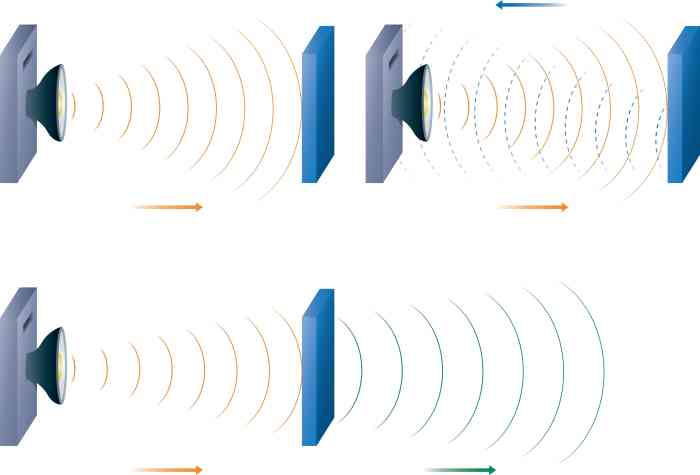
At its core, radar works by sending electromagnetic waves into the environment and analyzing how they bounce back after hitting an object. The behavior of those waves is determined largely by the material properties of the object they encounter. Some materials reflect signals strongly, making them easy to detect, while others absorb or scatter signals, making detection more challenging. This dynamic is why radar material science has become a specialized field combining physics, chemistry, electrical engineering, and materials science.
What makes radar material especially fascinating is its constant evolution. Engineers are continually designing materials that can either enhance radar visibility—useful for navigation and safety—or minimize it, which is critical in stealth applications. Whether the goal is clarity or concealment, the science behind radar materials is pushing technological boundaries in ways that impact industries worldwide.
Understanding How Radar Interacts with Materials
To truly appreciate radar materials, you need to understand the basic interaction between electromagnetic waves and matter. When radar signals hit a surface, several things can happen: reflection, absorption, transmission, or scattering. The proportions of each depend on the material’s electrical conductivity, magnetic permeability, surface roughness, and thickness.
Highly conductive materials like metals tend to reflect radar waves efficiently. This is why airplanes, ships, and large vehicles are generally easy to detect on radar screens. The smooth surfaces of these materials create strong signal returns, allowing radar operators to determine distance, speed, and direction with impressive accuracy. However, this also means that any object made primarily of metal becomes highly visible unless special coatings or structural designs are applied.
On the other end of the spectrum are materials engineered to absorb radar energy. These materials convert electromagnetic waves into tiny amounts of heat, preventing the signal from bouncing back. Known as radar-absorbing materials (RAM), they are widely used in stealth technology. The science behind RAM is incredibly precise because even minor imperfections can compromise the effectiveness of absorption.
Surface geometry also matters just as much as composition. A rough or angled surface scatters radar signals in multiple directions, reducing the strength of the return signal. This principle is often combined with absorbing materials to create objects that are significantly harder to detect. Together, shape and substance form the backbone of radar material engineering.
The Evolution of Radar Materials
Radar technology dates back to the early 20th century, but the materials used during its infancy were relatively simple. Metals dominated the landscape because they were readily available and offered excellent reflective properties. During wartime periods, radar became a strategic advantage, prompting researchers to explore ways to either improve detection or evade it.
One of the earliest breakthroughs came with the development of primitive absorbing coatings. These early versions were heavy, inefficient, and difficult to apply, but they demonstrated that manipulating electromagnetic behavior was possible. Over time, scientists refined these coatings by experimenting with carbon-based compounds and ferrite particles, significantly improving performance.
The late 20th century marked a turning point as composite materials entered the picture. These blends combined polymers with conductive or magnetic fillers, allowing engineers to fine-tune how materials responded to radar frequencies. Suddenly, designers had more control than ever before. Instead of relying purely on shape to reduce detection, they could embed stealth directly into the material itself.
Today, radar materials represent one of the most advanced branches of applied science. Research labs are exploring nanomaterials, metamaterials, and adaptive surfaces that can dynamically change how they interact with electromagnetic waves. What started as a wartime necessity has evolved into a cornerstone of modern engineering innovation.
Types of Radar Materials and Their Functions
Radar materials are not a one-size-fits-all solution. Different applications require different electromagnetic behaviors, which has led to a diverse range of specialized materials. Broadly speaking, these materials can be categorized into reflective, absorbing, transparent, and frequency-selective types.
Reflective materials are the simplest and most traditional. Metals such as aluminum and copper reflect radar waves strongly, making them ideal for objects that must remain visible for safety reasons. Commercial aircraft, maritime vessels, and navigation buoys often rely on reflective surfaces to ensure they are easily detected, even in poor visibility conditions.
Radar-absorbing materials serve the opposite purpose. Typically composed of polymers infused with carbon, iron particles, or other magnetic substances, these materials trap electromagnetic energy rather than reflecting it. The design challenge lies in balancing absorption with durability, weight, and environmental resistance. Engineers must ensure the material performs reliably under extreme temperatures, moisture, and mechanical stress.
Transparent radar materials are another fascinating category. These materials allow radar waves to pass through with minimal interference, making them perfect for protective coverings like radomes. A radome shields sensitive radar equipment from weather without distorting signals. Materials used here must be structurally strong yet electromagnetically neutral—a difficult balance to achieve.
Frequency-selective materials add yet another layer of sophistication. These are engineered to interact differently depending on the wavelength of the radar signal. For instance, a surface might reflect one frequency while allowing another to pass through. This capability is especially useful in complex communication and defense systems where signal management is critical.
Radar-Absorbing Materials (RAM): The Backbone of Stealth
Radar-absorbing materials have captured the public imagination largely because of their association with stealth aircraft, but their applications go far beyond military use. At a scientific level, RAM works by gradually reducing the energy of incoming electromagnetic waves through dielectric or magnetic loss mechanisms.
Dielectric absorbers rely on materials that polarize in response to an electromagnetic field. As the field oscillates, energy is dissipated internally as heat. Magnetic absorbers, meanwhile, leverage microscopic magnetic domains that respond to radar signals, again converting energy into harmless thermal output. Some advanced RAM combines both mechanisms for broader frequency coverage.
Designing effective RAM is far from simple. Thickness plays a crucial role because the material must allow the wave to enter before attenuating it. If it’s too thin, signals may reflect prematurely. If it’s too thick, the added weight becomes impractical, particularly in aerospace applications where every kilogram matters.
Another challenge is maintaining performance across multiple frequencies. Radar systems operate on different bands, so a material optimized for one range might fail in another. Engineers address this by layering materials with varying electromagnetic properties, creating a multi-band absorption effect. The result is a sophisticated shield that dramatically reduces detectability.
Metamaterials: Redefining What’s Possible
If traditional radar materials manipulate electromagnetic waves through composition, metamaterials do so through structure. These engineered materials contain microscopic patterns that interact with waves in ways not found in nature. It’s less about what they’re made of and more about how they’re arranged.
Metamaterials can bend, redirect, or even trap electromagnetic waves. Some experimental designs have demonstrated the ability to guide radar signals around an object, effectively reducing its signature. While the idea of complete invisibility remains largely theoretical, the progress in this field is nothing short of remarkable.
One of the biggest advantages of metamaterials is tunability. Researchers are developing versions that can adapt in real time, altering their electromagnetic response based on environmental conditions. Imagine a surface that becomes more reflective during navigation but shifts toward absorption in high-threat scenarios. That level of adaptability could redefine the future of radar technology.
Despite their promise, metamaterials face manufacturing challenges. Producing consistent microscopic structures on a large scale is expensive and technically demanding. However, as fabrication techniques improve, the gap between laboratory prototypes and real-world applications continues to shrink.
Radar Materials in Aerospace Engineering
Few industries depend on radar materials as heavily as aerospace. Aircraft must be detectable for air traffic control while also minimizing interference with onboard radar systems. Achieving both goals requires a careful blend of reflective and transparent materials.
Radomes are a prime example of specialized radar material in action. These dome-shaped structures protect radar antennas from environmental hazards like rain, ice, and debris. The materials used must remain electrically transparent while withstanding significant aerodynamic forces. Advanced composites often fill this role, combining fiberglass or quartz fibers with resin matrices.
Stealth aircraft push material engineering even further. Designers integrate absorbing layers directly into the aircraft skin, reducing the need for bulky external coatings. This integration improves aerodynamic efficiency while maintaining low observability. Every panel, joint, and edge is carefully considered because even minor discontinuities can reflect radar signals.
Thermal stability is another critical factor. Aircraft experience dramatic temperature shifts, from scorching runway heat to freezing high-altitude conditions. Radar materials must retain their electromagnetic properties despite these fluctuations, which requires exceptional chemical and structural resilience.
Automotive Radar Materials and Modern Safety
Radar is no longer limited to massive installations or high-tech aircraft. It has quietly become a cornerstone of modern vehicle safety systems. Adaptive cruise control, blind-spot monitoring, and automatic emergency braking all rely on compact radar units that function flawlessly in unpredictable environments.
For these systems to work, the materials covering radar sensors must allow signals to pass through without distortion. Automotive designers often use specialized plastics that are electromagnetically transparent yet durable enough to handle road debris, moisture, and UV exposure.
Interestingly, the paint applied to a vehicle can also influence radar performance. Metallic paints, while visually appealing, may interfere with signal transmission if not properly formulated. Manufacturers now collaborate closely with materials scientists to ensure aesthetic choices do not compromise safety technology.
As vehicles move toward greater autonomy, radar materials will become even more critical. Self-driving systems require precise environmental awareness, and that precision starts with materials that enable accurate signal propagation.
Marine and Weather Radar Applications
Out at sea, radar is a lifeline. Ships rely on it to navigate through fog, storms, and darkness. The materials used in marine radar systems must resist saltwater corrosion while maintaining reliable electromagnetic behavior.
Marine radomes often incorporate reinforced composites that balance strength with signal transparency. These materials must endure constant exposure to harsh conditions without degrading. Even small cracks or moisture intrusion can alter signal behavior, potentially jeopardizing navigation.
Weather radar presents another unique challenge. Systems must detect subtle variations in atmospheric particles, meaning the materials protecting antennas must introduce virtually zero interference. Engineers focus on low-loss composites that preserve signal fidelity while offering structural protection.
Durability is especially important in remote installations where maintenance is difficult. Long-lasting radar materials reduce downtime and ensure continuous monitoring, which can be critical for early storm detection and public safety.
Challenges in Developing Advanced Radar Materials
While the field has made tremendous progress, several challenges remain. One of the biggest is balancing performance with practicality. Materials that perform exceptionally in controlled environments may struggle under real-world conditions involving moisture, mechanical stress, and temperature extremes.
Weight is another constant concern. Aerospace and automotive industries demand lightweight solutions, yet many absorbing materials tend to be dense. Researchers are actively exploring nano-engineered fillers that provide strong absorption without adding bulk.
Cost also plays a significant role. Cutting-edge materials can be expensive to produce, limiting widespread adoption. Engineers must find ways to streamline manufacturing without sacrificing performance. Advances in additive manufacturing and automated fabrication are helping address this issue.
Environmental impact is increasingly part of the conversation as well. Traditional composites can be difficult to recycle, prompting researchers to investigate sustainable alternatives. The next generation of radar materials may not only be smarter but also greener.
The Role of Nanotechnology in Radar Materials
Nanotechnology is opening doors that were once firmly closed. By manipulating materials at the molecular level, scientists can create surfaces with highly specific electromagnetic responses. Nanoparticles, carbon nanotubes, and graphene are all being explored for their potential to enhance absorption and reduce weight.
Graphene, in particular, has generated enormous excitement. Its exceptional conductivity and thin structure make it a promising candidate for ultra-light absorbing layers. Early research suggests that graphene-based coatings could outperform traditional materials while dramatically reducing thickness.
Nanostructured surfaces can also improve scattering control. Instead of relying solely on macro-level geometry, engineers can design microscopic textures that influence how waves interact with a surface. This multi-scale approach offers unprecedented precision.
Although commercialization is still underway, the trajectory is clear. Nanotechnology is poised to reshape radar material design, delivering solutions that are lighter, stronger, and more adaptable than ever before.
Future Trends Shaping Radar Material Science
Looking ahead, adaptability is likely to define the next era of radar materials. Researchers are experimenting with smart materials capable of altering their electromagnetic properties in response to external stimuli such as temperature, voltage, or magnetic fields.
Another promising direction involves multifunctional materials. Instead of serving a single purpose, future surfaces might combine structural strength, thermal resistance, and radar absorption in one integrated package. This could simplify design processes and reduce overall system weight.
Artificial intelligence is also entering the materials discovery process. Machine learning algorithms can analyze vast datasets to predict how new material combinations will behave, accelerating innovation. What once took years of experimentation can now be explored virtually in a fraction of the time.
As radar systems themselves evolve—becoming smaller, more precise, and more energy-efficient—the materials supporting them will follow suit. The synergy between hardware and material science will continue to drive breakthroughs across industries.
Why Radar Materials Matter More Than Ever
In an increasingly connected world, awareness is everything. Aircraft must avoid collisions, ships must navigate safely, vehicles must detect obstacles, and meteorologists must anticipate severe weather. All of these capabilities depend on radar functioning at peak performance, which in turn depends on advanced materials.
Beyond safety, radar materials contribute to efficiency. Better detection enables optimized flight paths, smarter traffic systems, and improved resource management. Even small gains in material performance can translate into significant economic and operational benefits.
There is also a strategic dimension. Nations invest heavily in radar technology to protect airspace and monitor activity. Superior materials can provide a technological edge, making research in this area both competitive and highly valued.
Ultimately, radar materials represent an intersection of science and practicality. They may not always be visible to the public, but their influence is woven into the fabric of modern infrastructure.
Conclusion
Radar material science is far more than a niche technical discipline—it is a driving force behind some of the most important technologies of our time. From the reflective metals that ensure visibility to the absorbing composites that enable stealth, each material is carefully engineered to shape how electromagnetic waves behave.
The journey from early metallic surfaces to today’s nanostructured and metamaterial designs highlights a story of relentless innovation. Engineers and scientists continue to refine these materials, overcoming challenges related to weight, cost, durability, and environmental impact.
As industries push toward automation, smarter transportation, and more resilient communication systems, the importance of radar materials will only grow. The future promises adaptive surfaces, AI-assisted material discovery, and breakthroughs that could redefine detection capabilities altogether.
In many ways, radar materials are silent enablers. They work behind the scenes, guiding signals, protecting equipment, and ensuring that the systems we rely on operate with precision. Understanding them offers a glimpse into the remarkable engineering that keeps our world connected, informed, and safe.
FAQs
What is radar material?
Radar material refers to substances engineered to reflect, absorb, transmit, or manipulate electromagnetic waves used in radar systems.
Why are radar-absorbing materials important?
They reduce signal reflection, making objects harder to detect and improving stealth capabilities.
Where are radar materials commonly used?
They are widely used in aerospace, automotive safety systems, marine navigation, weather monitoring, and defense technologies.
Do radar materials only apply to military technology?
No, they are essential in civilian applications like air traffic control, collision avoidance, and meteorology.
What makes a material transparent to radar?
Low electromagnetic interference and minimal signal loss allow radar waves to pass through without distortion.
Are nanomaterials the future of radar technology?
Yes, nanotechnology enables lighter, more efficient materials with highly customizable electromagnetic properties.
Can radar materials improve vehicle safety?
Absolutely, they help sensors function accurately, supporting features like automatic braking and blind-spot detection.
What is the biggest challenge in developing radar materials?
Balancing performance, weight, durability, cost, and environmental sustainability remains the primary challenge.
Do surface shapes affect radar detection?
Yes, angled or rough surfaces scatter waves, reducing the strength of reflected signals.
Will radar materials continue to evolve?
Ongoing research in smart materials, metamaterials, and AI-driven design ensures continuous advancement in the field.