
Introduction to Vitelotte Potatoes
Vitelotte potatoes are among the most visually striking vegetables you will ever encounter. With their deep purple skin and vibrant violet flesh, they immediately capture attention in markets and kitchens alike. Yet these potatoes are far more than a novelty. They represent centuries of agricultural heritage, culinary experimentation, and nutritional value that modern food lovers are rediscovering with enthusiasm.
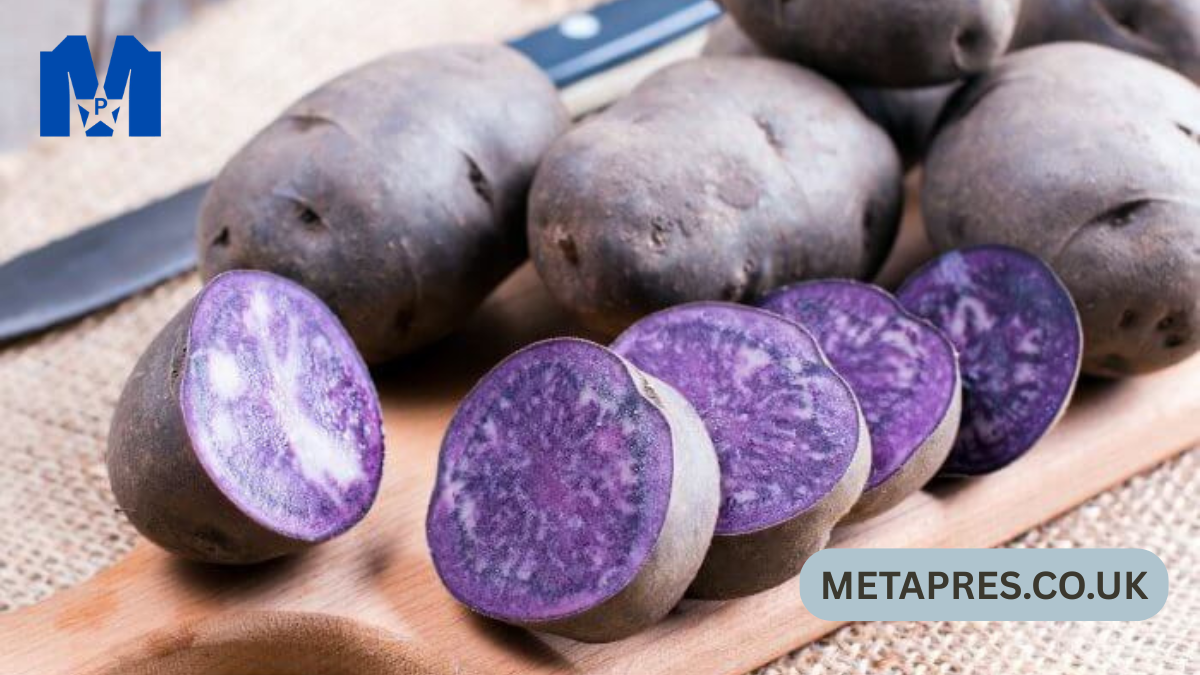
Often referred to as “truffle potatoes” because of their earthy aroma and elongated shape, vitelotte potatoes belong to a group of naturally pigmented potatoes rich in antioxidants. Unlike artificially colored foods, their hue comes from anthocyanins—the same compounds responsible for the color of blueberries and red cabbage. This natural pigmentation signals a dense concentration of beneficial plant compounds that contribute to overall health.
Today, vitelotte potatoes are increasingly featured in gourmet restaurants, home kitchens, and farm-to-table menus. Chefs appreciate them not only for their appearance but also for their firm texture and subtly nutty flavor. Whether roasted, mashed, fried, or turned into vibrant chips, they bring a refined yet playful character to any dish.
The Fascinating History of Vitelotte Potatoes
The story of vitelotte potatoes begins long before modern culinary trends elevated them to gourmet status. Their origins trace back to South America, where indigenous communities cultivated colorful potato varieties for thousands of years. When European explorers brought potatoes back from the Andes during the 16th century, they introduced a diversity of shapes, sizes, and colors—including purple varieties that would later evolve into vitelottes.
France played a significant role in shaping the identity of vitelotte potatoes. By the 19th century, French horticulturists had begun selectively cultivating these potatoes, refining their texture and flavor. Historical records suggest that they were appreciated by aristocratic households, where unusual foods symbolized sophistication and wealth. Their rarity made them a culinary treasure rather than a staple crop.
Despite their early popularity among elites, vitelotte potatoes gradually became overshadowed by higher-yield, easier-to-grow varieties. Farmers prioritized productivity over uniqueness, and many heritage vegetables faded into obscurity. Fortunately, the modern heirloom food movement revived interest in traditional crops, bringing vitelotte potatoes back into the spotlight. Today, they are celebrated not just as a historical curiosity but as a living connection to agricultural tradition.
What Makes Vitelotte Potatoes Unique?
At first glance, the color alone sets vitelotte potatoes apart from ordinary potatoes. Slice one open, and you will see a rich purple interior that remains vibrant even after cooking. Unlike some colored vegetables that lose their brightness under heat, vitelottes tend to retain much of their dramatic tone, making them ideal for visually appealing dishes.
Their shape is another distinctive feature. Vitelotte potatoes are typically long and slightly knobby, sometimes resembling fingerling potatoes. This irregular appearance adds to their rustic charm and reminds consumers that they are dealing with a heritage crop rather than a mass-produced commodity.
Flavor-wise, vitelottes offer a more complex experience than standard white potatoes. Many describe their taste as earthy with subtle notes of chestnut or hazelnut. This depth allows them to complement both simple recipes and elaborate culinary creations. They are particularly effective in dishes where the potato itself is meant to shine rather than disappear into the background.
Botanical Characteristics and Growth Patterns
From a botanical perspective, vitelotte potatoes belong to the species Solanum tuberosum, just like most cultivated potatoes. However, their genetic lineage places them closer to ancient Andean varieties than to modern commercial hybrids. This heritage contributes to both their nutritional density and their slightly lower yields.
The plants typically produce dark green foliage with delicate flowers that may appear white or faintly lavender. Underground, the tubers develop slowly, often requiring a longer growing season than conventional potatoes. Patience is essential, but growers often find the results worthwhile.
Another notable trait is their relatively thick skin. While this characteristic helps protect the tubers from minor damage, it also means they can take longer to cook if left whole. Many chefs recommend slicing them into evenly sized pieces to ensure consistent texture during preparation.
Nutritional Value and Health Benefits
One of the most compelling reasons to incorporate vitelotte potatoes into your diet is their impressive nutritional profile. While all potatoes provide essential vitamins and minerals, purple varieties stand out because of their antioxidant content. Anthocyanins help combat oxidative stress, which is associated with aging and various chronic conditions.
Vitelotte potatoes are also a good source of vitamin C, potassium, and dietary fiber. Potassium supports heart health by helping regulate blood pressure, while fiber contributes to digestive wellness and prolonged satiety. For individuals seeking nutrient-dense carbohydrates, these potatoes offer an excellent alternative to highly processed starches.
Another interesting aspect is their relatively moderate glycemic impact compared to some refined carbohydrate foods. When prepared thoughtfully—such as roasting instead of deep frying—they can fit comfortably into balanced eating patterns. Their combination of nutrients and antioxidants makes them appealing to both health-conscious consumers and culinary enthusiasts.
Flavor Profile: What Do Vitelotte Potatoes Taste Like?
Describing the flavor of vitelotte potatoes requires moving beyond the generic “potato taste.” They possess a nuanced earthiness that feels grounded and satisfying without being heavy. Some tasters notice a faint sweetness, while others detect nutty undertones that become more pronounced when the potatoes are roasted.
Texture plays a crucial role in the eating experience. Vitelottes are generally firm and slightly waxy, which helps them hold their shape during cooking. This makes them ideal for salads, gratins, and roasted preparations where structural integrity matters.
Because their flavor is naturally distinctive, they pair well with ingredients that enhance rather than overpower. Think fresh herbs, high-quality olive oil, sea salt, garlic, and cultured butter. Even minimal seasoning can produce a memorable dish because the potato itself carries so much character.
Culinary Uses: Elevating Everyday Cooking

Vitelotte potatoes open the door to creative culinary expression. Their color alone can transform an ordinary plate into something that feels restaurant-worthy. Imagine a purple mash beside a golden roast chicken or a bowl of jewel-toned potato salad at a summer gathering.
Roasting is one of the most reliable methods for highlighting their flavor. Tossed with olive oil and herbs, they develop crisp edges while maintaining a creamy interior. The slight caramelization enhances their natural nuttiness, making them irresistible straight from the oven.
They also excel when thinly sliced and baked into chips. The resulting contrast between the dark exterior and lighter purple interior creates a dramatic visual effect. Serve them with a simple dip, and you have a snack that feels both indulgent and sophisticated.
Cooking Techniques for Perfect Results
Successfully cooking vitelotte potatoes begins with understanding their density. Because they are often firmer than standard potatoes, starting them in cold, salted water before boiling helps ensure even cooking. Bringing them up to temperature gradually prevents the exterior from softening too quickly while the interior remains underdone.
When roasting, spacing the pieces properly on the baking tray is essential. Overcrowding traps steam and prevents browning. Giving each piece room allows heat to circulate, producing the crispy texture many cooks desire.
Another helpful technique is leaving the skin on whenever possible. Not only does it add texture, but it also preserves nutrients located near the surface. A gentle scrub is usually all that is needed before preparation.
Growing Vitelotte Potatoes at Home
For gardening enthusiasts, cultivating vitelotte potatoes can be both rewarding and educational. While they require a bit more patience than common varieties, they are not excessively difficult to grow if given proper conditions.
Loose, well-drained soil is critical. Compacted earth can lead to misshapen tubers and restricted growth. Adding compost improves both structure and fertility, giving the plants a strong foundation.
Consistent watering supports steady development, but overwatering should be avoided to prevent rot. As the plants mature, hilling soil around the stems protects the forming tubers from sunlight, which can cause discoloration and bitterness. Harvesting typically occurs once the foliage begins to die back, signaling that the potatoes have reached maturity.
Market Availability and How to Choose the Best Ones
Because vitelotte potatoes are still considered a specialty product, you are more likely to find them at farmers’ markets, organic grocers, or gourmet food shops than in standard supermarkets. Their limited availability often reflects smaller-scale production rather than a lack of demand.
When selecting vitelottes, look for firm tubers free from deep cuts or soft spots. Slight irregularities are normal and even desirable in heirloom produce, but excessive wrinkling may indicate age.
Size can influence cooking time, so choosing potatoes of similar dimensions helps ensure consistency. If you plan to present them whole or halved, uniformity becomes especially important for visual appeal.
Storage Tips for Maximum Freshness
Proper storage extends the life of vitelotte potatoes and preserves their flavor. A cool, dark, and well-ventilated space is ideal. Exposure to light can trigger sprouting and alter taste, while excessive moisture encourages spoilage.
Avoid refrigeration if possible. Extremely cold temperatures convert starch into sugar, potentially leading to an overly sweet flavor and uneven browning during cooking.
Keeping them separate from onions is another practical tip. Onions release gases that accelerate deterioration in potatoes. With the right environment, vitelottes can remain in good condition for several weeks.
Comparing Vitelotte Potatoes to Other Varieties
When placed alongside white, yellow, or red potatoes, vitelottes immediately stand out visually. However, the differences extend beyond color. Their antioxidant levels generally surpass those of paler varieties, making them attractive from a nutritional standpoint.
Texture is another differentiator. While russet potatoes tend to be fluffy and ideal for baking, vitelottes lean toward a firmer structure. This makes them better suited for recipes requiring defined shapes rather than airy interiors.
Flavor complexity also sets them apart. Many conventional potatoes act as neutral carriers for butter or seasoning, whereas vitelottes contribute their own personality to a dish. For cooks seeking ingredients that naturally elevate flavor, this distinction matters.
The Role of Vitelotte Potatoes in Modern Gastronomy
Contemporary chefs often search for ingredients that tell a story, and vitelotte potatoes deliver exactly that. Their heritage status aligns with the broader culinary movement toward authenticity and traceability.
In fine dining settings, they are frequently used to create contrast on the plate. A purple purée beneath a seared protein or a scattering of violet cubes across a composed salad instantly signals intentional design.
Beyond aesthetics, their flavor supports the modern emphasis on ingredient-driven cuisine. Rather than masking components with heavy sauces, chefs can let the potato’s natural qualities shine. This approach resonates with diners who appreciate both simplicity and sophistication.
Sustainability and Agricultural Importance
Heirloom crops like vitelotte potatoes contribute to agricultural biodiversity, which is essential for resilient food systems. Relying on a narrow range of high-yield varieties can make crops more vulnerable to disease and climate fluctuations.
By cultivating and consuming diverse potatoes, farmers help preserve genetic resources that may prove invaluable in the future. Traits such as pest resistance or adaptability to changing weather patterns often exist within heritage lines.
Consumers play a role as well. Choosing lesser-known varieties encourages growers to continue planting them, creating a positive cycle that supports both ecological stability and culinary diversity.
Cultural Significance and Culinary Tradition
Throughout history, colorful foods have often carried symbolic meaning. Purple, in particular, has been associated with luxury and creativity. Serving vitelotte potatoes can subtly evoke these themes, whether in a festive meal or an everyday dinner elevated by thoughtful presentation.
In regions where they have been cultivated for generations, these potatoes represent continuity between past and present. Recipes passed down through families gain new relevance when prepared with traditional ingredients.
At the same time, global culinary exchange has introduced vitelottes to audiences far beyond their original growing regions. This blending of tradition and innovation reflects the dynamic nature of food culture.
Common Misconceptions About Purple Potatoes
One frequent misconception is that purple potatoes are genetically modified. In reality, their color is entirely natural, resulting from pigments that have existed in potato species for centuries.
Another myth suggests that they taste dramatically different from regular potatoes. While they do offer more nuance, they remain approachable and versatile. Most people find them easy to enjoy without needing to adjust their palate.
Some also assume they are difficult to cook. With basic techniques and a little attention to timing, vitelottes behave much like other firm potato varieties. Confidence in the kitchen grows quickly once you experiment with them.
Pairing Ideas for Memorable Meals
Creating a harmonious dish often comes down to pairing complementary flavors. Vitelotte potatoes work beautifully with roasted meats, particularly lamb and poultry, where their earthiness enhances savory depth.
Vegetarian combinations can be equally compelling. Try them alongside caramelized onions, wild mushrooms, or goat cheese for a meal that feels both hearty and refined.
Even simple additions like lemon zest or fresh dill can brighten their profile. Because they are visually dramatic, minimal garnish often produces the most elegant result.
The Future of Vitelotte Potatoes
As interest in distinctive, nutrient-rich foods continues to grow, vitelotte potatoes appear poised for a promising future. Farmers are recognizing that consumers value uniqueness, while chefs appreciate ingredients that inspire creativity.
Advances in sustainable agriculture may also support broader cultivation. With careful stewardship, heritage varieties can coexist with modern crops, enriching the overall food landscape.
Ultimately, the enduring appeal of vitelotte potatoes lies in their balance of beauty, flavor, and history. They remind us that even familiar foods like potatoes can still surprise us when we explore beyond the ordinary.
Conclusion
Vitelotte potatoes represent far more than a colorful twist on a classic ingredient. They embody agricultural heritage, nutritional strength, and culinary versatility in a single remarkable tuber. From their ancient roots in South America to their refined presence on contemporary plates, they demonstrate how tradition and innovation can coexist beautifully.
Whether you are a home cook eager to experiment, a gardener seeking something distinctive, or simply a food lover curious about new flavors, vitelotte potatoes offer a rewarding experience. Their striking appearance invites attention, but it is their depth of flavor and adaptability that truly sustain interest.
As the culinary world continues to celebrate authenticity and diversity, ingredients like vitelotte potatoes remind us that exploration often leads to the most memorable meals. Sometimes, all it takes is a different shade of purple to rediscover the excitement of cooking.
FAQs
What are vitelotte potatoes?
Vitelotte potatoes are heirloom purple potatoes known for their deep color, earthy flavor, and high antioxidant content.
Do vitelotte potatoes taste different from regular potatoes?
Yes, they have a slightly nuttier and more complex flavor while still being familiar and easy to enjoy.
Are vitelotte potatoes healthy?
They are rich in antioxidants, fiber, potassium, and vitamin C, making them a nutritious carbohydrate choice.
Can you grow vitelotte potatoes at home?
Yes, with well-drained soil, consistent watering, and patience, they can thrive in home gardens.
Why are vitelotte potatoes purple?
Their color comes from natural anthocyanin pigments, which also provide antioxidant benefits.
What is the best way to cook vitelotte potatoes?
Roasting, boiling, or slicing them into chips are excellent methods that highlight their flavor and color.
Are vitelotte potatoes rare?
They are less common than standard varieties but increasingly available at farmers’ markets and specialty stores.
Do vitelotte potatoes keep their color when cooked?
Yes, they generally retain much of their vibrant purple hue even after cooking.
Should you peel vitelotte potatoes?
Peeling is optional, but leaving the skin on preserves nutrients and adds texture.
Are vitelotte potatoes genetically modified?
No, their color is completely natural and comes from traditional plant genetics.
Also read: JetGo Australia: A Complete Expert Guide to the Regional Aviation Pioneer