
Introduction to Dissonant Culture
Dissonant culture is a term that captures the tension, contradiction, and friction that arise when values, beliefs, behaviors, and social expectations collide within a society. It is not simply disagreement, nor is it chaos. Rather, it is a complex state in which multiple cultural frameworks coexist but do not harmonize. These frameworks may overlap geographically, socially, economically, or digitally, yet they produce friction instead of seamless integration. In many ways, dissonant culture defines the modern era, where globalization, digital transformation, and shifting social norms create layered realities that do not always align.
To understand dissonant culture, we must begin with the concept of cultural coherence. In highly coherent cultures, shared norms guide behavior, and most individuals understand what is expected of them. There is less visible contradiction between institutional messaging and lived experience. However, when those norms begin to conflict—whether due to generational shifts, technological disruption, migration, economic inequality, or political polarization—dissonance emerges. This does not necessarily mean that society is failing. In fact, dissonant culture often signals transformation. It marks the transition from one dominant paradigm to another.
What makes dissonant culture particularly powerful is its subtlety. It does not always erupt in visible conflict. Sometimes it manifests in quiet burnout, workplace disengagement, identity confusion, online polarization, or silent resistance. A society can function on the surface while internally wrestling with contradictions between tradition and innovation, authority and autonomy, stability and freedom. Recognizing these tensions is the first step toward understanding how modern societies evolve and how individuals navigate increasingly complex social landscapes.
The Historical Roots of Cultural Dissonance
Cultural dissonance is not a purely modern phenomenon. Throughout history, societies have experienced moments of intense contradiction. Periods of industrialization, colonization, religious reform, and political revolution all produced cultural friction. For example, the transition from agrarian economies to industrial cities reshaped family structures, gender roles, and labor expectations. Traditional norms collided with new economic realities, creating widespread tension. Communities struggled to reconcile old values with emerging systems.
During colonial eras, imposed foreign systems clashed with indigenous traditions. Education, governance, and religious practices often contradicted long-standing cultural frameworks. This created generational divides and identity crises that lingered long after formal colonial rule ended. The friction between inherited traditions and imported institutions became a defining feature of postcolonial societies. Dissonant culture, in this context, was not accidental; it was engineered through power dynamics and systemic restructuring.
In the twentieth century, rapid technological change intensified cultural dissonance. The introduction of mass media, television, and later the internet exposed individuals to alternative worldviews at unprecedented speed. Cultural boundaries became porous. Norms that once seemed stable were suddenly questioned. What had been considered morally or socially fixed became negotiable. As information spread faster than institutions could adapt, tension grew between established authority and emerging voices. These historical patterns show that dissonant culture often appears during times of accelerated change, when social structures struggle to keep pace with shifting realities.
Psychological Dimensions of Dissonant Culture
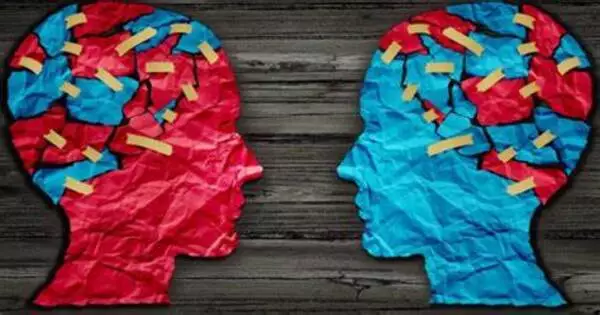
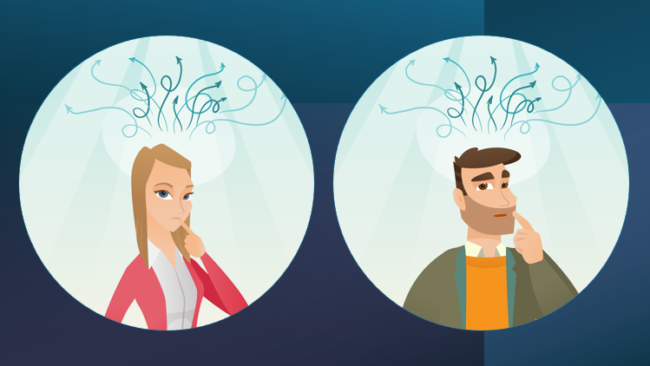
At the individual level, dissonant culture deeply affects psychological well-being. When a person lives within conflicting value systems, they may experience internal tension similar to cognitive dissonance. For instance, a young professional might be raised in a collectivist environment that prioritizes family obligation but works in a corporate culture that emphasizes individual ambition and competition. Navigating these opposing expectations can produce stress, guilt, and identity fragmentation.
This psychological strain is amplified in multicultural or digitally connected societies. Social media platforms expose individuals to curated lifestyles and ideologies that may contradict their lived realities. People constantly compare themselves against standards that are not universally attainable or culturally aligned with their upbringing. The gap between personal identity and perceived social expectations widens. In a dissonant culture, individuals are often forced to perform different identities in different spaces, which can lead to emotional exhaustion.
Moreover, dissonant culture complicates the search for belonging. Humans are inherently social beings who seek validation and coherence within their communities. When communities themselves are divided by conflicting narratives, individuals struggle to anchor their sense of self. This can result in heightened anxiety, polarization, or retreat into smaller echo chambers where coherence feels temporarily restored. Understanding these psychological dimensions helps explain why cultural dissonance is not merely an abstract sociological concept but a lived emotional experience.
Dissonant Culture in the Workplace
Modern workplaces are fertile ground for cultural dissonance. Organizations often promote values such as collaboration, innovation, and inclusivity, yet their performance metrics may reward competition, long hours, and individual achievement. This contradiction creates a gap between stated culture and operational reality. Employees sense the inconsistency, and trust erodes when leadership messaging does not align with everyday practice.
Generational differences further intensify workplace dissonance. Older employees may value hierarchical structure and long-term loyalty, while younger workers prioritize flexibility, purpose, and work-life balance. When management fails to address these differences openly, misunderstandings multiply. Employees may interpret organizational decisions through different cultural lenses, leading to conflict or disengagement. The tension is not necessarily malicious; it is often rooted in deeply internalized expectations shaped by different social eras.
Remote work and global teams introduce another layer of complexity. Cultural norms regarding communication, authority, and feedback vary across regions. What one culture perceives as direct and efficient, another may interpret as blunt or disrespectful. Without deliberate effort to create shared understanding, these subtle differences accumulate into significant friction. Organizations that acknowledge dissonant culture rather than denying it are better positioned to foster resilience and innovation.
Media, Technology, and Amplified Dissonance
Digital platforms have dramatically accelerated cultural dissonance. The internet allows diverse perspectives to coexist in the same virtual space, but algorithms often amplify extremes rather than nuance. Users encounter conflicting narratives about politics, health, identity, and morality within seconds. This constant exposure to contradiction can create cognitive overload and emotional fatigue.
Technology also blurs boundaries between private and public identities. Individuals curate online personas that may not fully align with their offline lives. The pressure to maintain consistency across platforms intensifies internal tension. Furthermore, viral trends can reshape social norms almost overnight. What was acceptable yesterday may be condemned today, leaving individuals uncertain about stable ethical ground.
At the same time, technology democratizes voice. Marginalized communities gain platforms to challenge dominant narratives. While this empowerment is transformative, it also disrupts established power structures. Institutions accustomed to controlling discourse may react defensively, creating further polarization. The resulting environment is a quintessential example of dissonant culture: multiple truths competing for legitimacy in a shared digital arena.
Education Systems and Cultural Contradictions
Educational institutions often reflect broader cultural tensions. Schools and universities promote critical thinking and creativity, yet standardized testing systems emphasize conformity and measurable outcomes. Students receive mixed signals about what success truly means. They are encouraged to innovate but penalized for deviating from rigid evaluation criteria. This contradiction breeds confusion about personal identity and academic purpose.
Curriculum debates illustrate another dimension of dissonant culture. Societies grapple with how to teach history, identity, and social values in increasingly diverse populations. Competing narratives about national identity or social justice can polarize communities. Teachers find themselves navigating ideological battlegrounds while trying to maintain neutral, supportive environments for students.
Globalization has also transformed educational aspirations. Students in one country may be trained according to global standards while living within local cultural expectations. For example, a student might pursue an international career path that requires mobility and individual autonomy, while their family expects proximity and collective responsibility. Educational systems thus become spaces where broader cultural contradictions are rehearsed and internalized.
Migration and Multicultural Realities
Migration intensifies dissonant culture by bringing distinct traditions into direct contact. Immigrants often maintain elements of their heritage while adapting to host societies. The process of integration is rarely seamless. Cultural practices regarding language, dress, gender roles, and religion may clash with mainstream norms. Both immigrants and host communities must negotiate new boundaries.
Second-generation individuals frequently experience heightened dissonance. They grow up balancing inherited cultural expectations at home with external societal norms. This duality can foster adaptability and creativity, but it can also produce identity conflict. Questions of belonging become central: Am I defined by ancestry, environment, or both? Dissonant culture, in this context, is not just societal friction but a deeply personal negotiation.
Host societies also experience tension. Economic concerns, political rhetoric, and media framing influence perceptions of newcomers. When narratives emphasize threat rather than collaboration, polarization intensifies. Yet multicultural societies that intentionally cultivate dialogue and inclusion can transform dissonance into dynamic pluralism. The outcome depends on whether tension is managed constructively or exploited for division.
Art, Music, and Creative Expression
Art has always been a mirror of cultural tension. In periods of dissonance, creative expression often becomes more experimental and provocative. Artists challenge established norms, blending genres, questioning authority, and exploring marginalized perspectives. This creative disruption may initially be met with resistance, but it frequently drives cultural evolution.
Music genres that once seemed rebellious often emerge from dissonant environments. They give voice to frustration, identity struggles, and social critique. Visual arts similarly reflect fragmentation and hybridity. When traditional forms no longer capture lived experience, artists invent new ones. Dissonance becomes a catalyst for innovation rather than a barrier.
Creative spaces also provide outlets for processing tension. Through storytelling, performance, and visual symbolism, societies explore contradictions that might otherwise remain unspoken. Art does not eliminate dissonance, but it transforms it into dialogue. It allows individuals to confront discomfort in symbolic form, which can foster empathy and collective reflection.
Political Polarization and Ideological Conflict
Political arenas vividly display dissonant culture. Competing ideologies present divergent visions of reality, morality, and governance. In polarized environments, compromise becomes difficult because each side operates from distinct value systems. Media ecosystems reinforce these divisions by tailoring content to ideological preferences.
Economic inequality further complicates political dissonance. Individuals experiencing different material realities interpret policies through different lenses. What one group perceives as opportunity, another may view as threat. When institutions fail to address underlying disparities, frustration intensifies, and cultural friction deepens.
However, political dissonance is not inherently destructive. Democratic systems depend on debate and pluralism. The challenge lies in maintaining respectful dialogue despite deep disagreement. When communication collapses into dehumanization, dissonance hardens into hostility. Constructive political engagement requires acknowledging complexity rather than reducing issues to simplistic binaries.
Strategies for Navigating Dissonant Culture
Living within dissonant culture demands adaptability and critical awareness. At an individual level, developing cultural intelligence helps people navigate diverse environments without losing core identity. This involves recognizing one’s own assumptions, listening actively, and tolerating ambiguity. Rather than seeking immediate resolution of every contradiction, individuals can learn to hold complexity.
Organizations can mitigate dissonance by aligning values with actions. Transparent communication reduces mistrust. Leadership that acknowledges tension rather than dismissing it fosters psychological safety. Training programs that address cross-cultural communication and unconscious bias can transform friction into collaborative learning.
Societies at large benefit from dialogue platforms that encourage nuanced conversation. Media literacy education helps individuals evaluate conflicting narratives critically. Policies that address structural inequalities reduce the material roots of cultural tension. While dissonance cannot be eliminated entirely, it can be channeled productively.
The Transformative Potential of Cultural Dissonance
Although dissonant culture often feels uncomfortable, it carries transformative potential. Friction exposes outdated assumptions and forces reevaluation. When societies confront contradiction honestly, they open pathways to innovation. Many social reforms—from civil rights movements to gender equality advancements—emerged from periods of intense cultural tension.
Dissonance can also cultivate resilience. Individuals who learn to navigate conflicting frameworks often develop empathy and flexibility. They become adept at bridging divides and translating across perspectives. In an interconnected world, such skills are invaluable.
Ultimately, dissonant culture reflects the complexity of human coexistence. Diversity of thought, experience, and belief naturally generates tension. The goal is not perfect harmony but constructive engagement. By understanding the roots, manifestations, and psychological dimensions of cultural dissonance, societies can move from reactive conflict to deliberate evolution.
Conclusion
Dissonant culture is neither anomaly nor accident. It is a defining feature of dynamic societies undergoing change. From historical revolutions to digital transformations, cultural friction accompanies progress. While it can produce anxiety and division, it also stimulates creativity and reform. Recognizing dissonance as a structural and psychological reality empowers individuals and institutions to respond thoughtfully rather than defensively. In a world where multiple narratives coexist, the ability to navigate contradiction with integrity and openness may be one of the most essential skills of our time.
FAQs
What is dissonant culture?
Dissonant culture refers to the tension and contradiction that arise when different value systems, norms, or beliefs coexist but do not harmonize within a society.
Is dissonant culture always negative?
No, while it can create stress and conflict, it also drives innovation, reform, and cultural evolution.
How does dissonant culture affect individuals?
It can lead to identity confusion and stress but also fosters adaptability and cultural intelligence.
Why is dissonant culture more visible today?
Globalization, digital media, migration, and rapid technological change amplify exposure to conflicting perspectives.
Can societies reduce cultural dissonance?
Societies cannot eliminate it entirely, but they can manage it through dialogue, inclusive policies, and education.