
Understanding Forced Heating and Air Systems
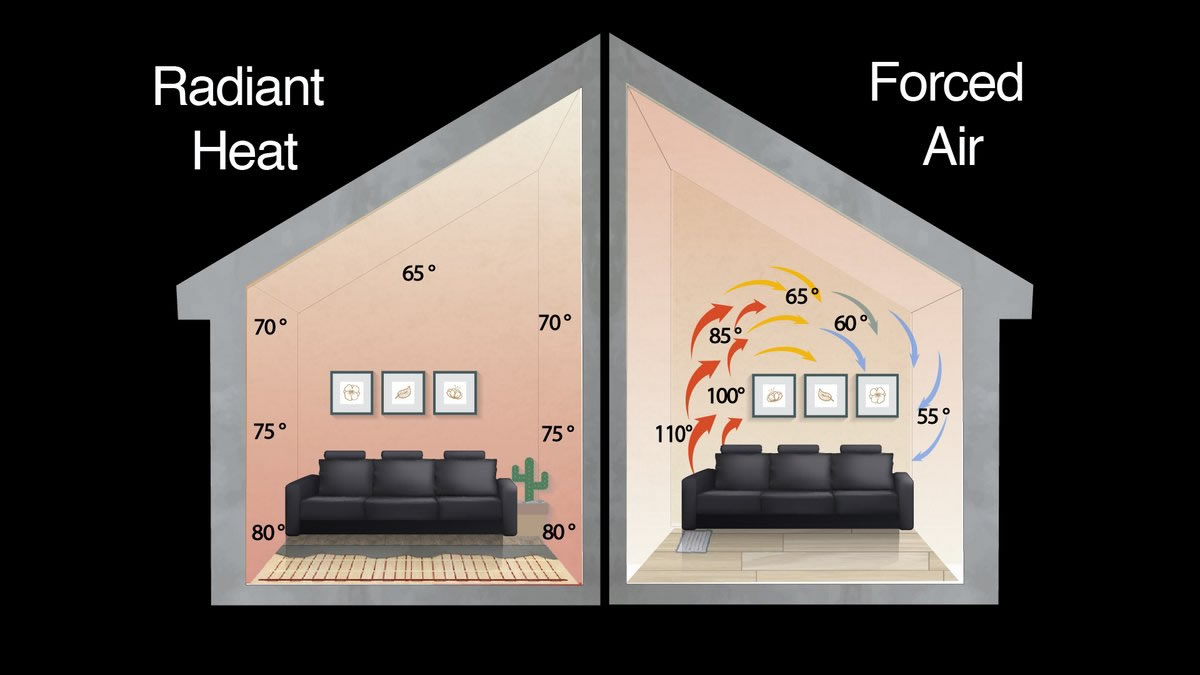
Forced heating and air systems are among the most widely used climate control solutions in residential and commercial buildings. At their core, these systems rely on a central unit that heats or cools air and then forces it through a network of ducts using a blower fan. That air travels through vents into different rooms, creating consistent indoor comfort across the property. Unlike radiant systems that warm surfaces directly, forced systems move conditioned air, which makes them highly responsive and adaptable.
The beauty of forced heating and air lies in its flexibility. The same ductwork that distributes warm air during winter can deliver cool air in summer when connected to an air conditioning unit. This dual-function capability makes it a popular choice in regions that experience both extreme cold and intense heat. Instead of installing separate systems, homeowners can integrate heating and cooling into one unified setup.
From an expert perspective, the real value of forced heating and air systems is control. You can regulate temperature, manage airflow, install zoning systems, and even integrate smart thermostats for remote access. Over time, innovations in HVAC engineering have significantly improved performance, energy efficiency, and indoor air quality. When properly installed and maintained, these systems offer a balanced combination of power, convenience, and long-term reliability.
How Forced Air Heating Works
Forced air heating typically centers around a furnace. The furnace may run on natural gas, propane, oil, or electricity. When the thermostat signals a need for heat, the furnace ignites fuel or activates heating elements to warm a heat exchanger. Air from the home is pulled into the system through return ducts, passes over the heated exchanger, and is then pushed back into living spaces through supply ducts.
One of the key advantages of this process is speed. Because heated air is actively circulated, rooms warm up quickly compared to slower radiant systems. The blower motor plays a crucial role here, ensuring that warm air reaches every connected area of the home. High-efficiency models use variable-speed blowers to optimize comfort and minimize energy waste.
Another critical component is the filtration system. As air cycles through the furnace, it passes through a filter that captures dust, pollen, and other airborne particles. This means forced air heating does more than just raise temperatures; it actively contributes to cleaner indoor air. Upgrading filters or adding air purifiers can further enhance this benefit, making the system both a heating solution and a health investment.
How Forced Air Cooling Works
In summer, forced air systems operate alongside an air conditioning unit. The process starts with refrigerant circulating through evaporator coils located inside the air handler. When warm indoor air passes over these coils, heat is absorbed by the refrigerant. The cooled air is then blown through ducts and distributed throughout the building.
Meanwhile, the absorbed heat is transferred outdoors through the condenser unit. This cycle repeats until the indoor temperature matches the thermostat setting. The integration between heating and cooling components ensures year-round comfort without duplicating infrastructure.
Modern forced air cooling systems often include humidity control features. Removing excess moisture from indoor air makes rooms feel cooler and more comfortable, even at slightly higher thermostat settings. This dehumidification process not only improves comfort but also reduces mold risk and enhances overall air quality.
Key Components of a Forced Heating and Air System
A forced heating and air setup consists of several interconnected parts. The furnace or air handler serves as the heart of the system. The blower motor pushes air through ducts. The ductwork acts as the circulatory network, distributing conditioned air to various rooms. Supply and return vents ensure proper airflow balance.
The thermostat acts as the command center. It monitors indoor temperature and signals the system when to activate or shut off. Today’s programmable and smart thermostats offer scheduling features and remote control via smartphone apps, allowing precise energy management.
Additional components may include humidifiers, dehumidifiers, UV air purifiers, and zoning dampers. Each of these upgrades enhances functionality and performance. When all components work together seamlessly, the result is a system that not only regulates temperature but also supports healthier living conditions.
Types of Furnaces Used in Forced Heating
Forced air systems can use different furnace types depending on fuel availability and regional preferences. Gas furnaces are the most common due to their efficiency and relatively low operating costs. They provide strong heating performance and are widely available in urban and suburban areas.
Electric furnaces are simpler in design and easier to install, but they may cost more to operate in regions with high electricity rates. However, they are often used in areas where gas infrastructure is limited or unavailable.
Oil furnaces, though less common today, are still found in certain regions. They deliver powerful heat but require fuel storage tanks and regular maintenance. Each furnace type has its pros and cons, and choosing the right one depends on budget, climate, and energy costs.
Ductwork Design and Its Impact on Performance
Ductwork is often overlooked, but it is one of the most critical elements of forced heating and air systems. Poorly designed ducts can lead to uneven temperatures, energy waste, and reduced comfort. Proper sizing ensures balanced airflow throughout the building.
Sealing ducts is equally important. Leaks can cause significant energy loss, forcing the system to work harder. Insulated ducts help maintain temperature as air travels through unconditioned spaces like attics or basements.
From an expert standpoint, investing in professional duct design and sealing pays off long-term. It improves efficiency, reduces strain on equipment, and ensures consistent performance in every room.
Energy Efficiency and SEER/AFUE Ratings
Efficiency ratings help consumers evaluate system performance. For cooling systems, the Seasonal Energy Efficiency Ratio (SEER) measures how efficiently an air conditioner operates over a season. Higher SEER ratings indicate better efficiency.
For heating systems, the Annual Fuel Utilization Efficiency (AFUE) rating measures how effectively a furnace converts fuel into heat. High-efficiency furnaces can achieve AFUE ratings above 90 percent, meaning minimal energy waste.
Upgrading to high-efficiency forced heating and air equipment can significantly lower utility bills. Although upfront costs may be higher, long-term savings and environmental benefits often justify the investment.
Indoor Air Quality and Filtration
Forced air systems offer unique opportunities to improve indoor air quality. Because air continuously circulates through filters, contaminants can be removed before they spread. Basic filters capture large particles, while advanced HEPA filters trap microscopic allergens.
Adding UV lights inside ductwork can neutralize bacteria and mold spores. Humidifiers prevent dry air during winter, reducing respiratory irritation and static electricity.
From a health perspective, a well-maintained forced heating and air system contributes to cleaner breathing environments. Regular filter replacement and periodic duct cleaning enhance these benefits significantly.
Zoning Systems for Customized Comfort
Zoning divides a building into separate climate areas controlled independently. Motorized dampers inside ducts regulate airflow to each zone. This setup allows different temperature settings in bedrooms, living rooms, and offices.
Zoning improves comfort and reduces energy waste. Instead of heating or cooling the entire house uniformly, you can target occupied areas only. This efficiency becomes especially valuable in multi-story homes where temperature differences are common.
Professionals often recommend zoning for large properties or families with varying comfort preferences. It transforms forced heating and air systems into highly personalized climate solutions.
Smart Thermostats and Automation
Smart thermostats have revolutionized forced heating and air management. Devices learn user habits and adjust temperatures automatically. Remote access allows homeowners to control settings from anywhere.
Energy usage reports provide insights into consumption patterns, helping identify opportunities for savings. Integration with voice assistants and home automation systems adds convenience and modern functionality.
From an expert’s perspective, pairing a high-efficiency HVAC system with a smart thermostat maximizes performance. It ensures the system runs only when necessary, extending equipment lifespan while cutting costs.
Installation Considerations
Proper installation determines system longevity and efficiency. Oversized units cycle on and off frequently, causing wear and uneven temperatures. Undersized units struggle to maintain comfort.
Load calculations are essential before installation. Professionals evaluate square footage, insulation, window placement, and climate conditions to select the right capacity.
Attention to detail during installation, including duct sealing and airflow balancing, prevents future performance issues. A high-quality system installed poorly will never perform to its potential.
Maintenance and Longevity
Routine maintenance keeps forced heating and air systems operating efficiently. Annual inspections ensure components function correctly. Cleaning coils, checking refrigerant levels, and inspecting burners prevent breakdowns.
Replacing filters every one to three months is one of the simplest yet most impactful maintenance tasks. Dirty filters restrict airflow, reducing efficiency and increasing strain on the system.
With consistent care, a furnace may last 15 to 20 years, while air conditioners often operate efficiently for 10 to 15 years. Preventive maintenance extends these timelines and protects your investment.
Common Problems and Troubleshooting
Even well-maintained systems can encounter issues. Uneven heating may result from blocked vents or duct leaks. Strange noises could indicate loose components or motor problems.
Short cycling often signals an oversized system or thermostat malfunction. Weak airflow may stem from clogged filters or failing blower motors.
Early detection prevents costly repairs. Homeowners should monitor performance and contact professionals when unusual behavior appears. Quick intervention maintains comfort and avoids major damage.
Cost Factors and Budget Planning
The cost of installing forced heating and air systems varies based on size, efficiency rating, and complexity. High-efficiency models cost more upfront but reduce long-term utility expenses.
Duct modifications, zoning systems, and smart thermostats add to total investment. However, these upgrades often improve overall system value and comfort.
Financing options and energy rebates may offset initial expenses. Considering lifetime operating costs rather than just installation price leads to smarter decisions.
Environmental Impact and Sustainability
Modern forced heating and air systems are more environmentally friendly than older models. High-efficiency furnaces burn less fuel, reducing emissions. Advanced air conditioners use eco-friendly refrigerants.
Improved insulation and duct sealing further minimize energy waste. Smart controls reduce unnecessary operation, lowering carbon footprints.
Sustainability depends not only on equipment but also on usage habits. Responsible operation combined with efficient technology supports long-term environmental goals.
Comparing Forced Air to Other Heating Systems
Compared to radiant heating, forced air offers faster temperature changes and integrated cooling capability. Radiant systems provide quiet operation but lack cooling integration.
Heat pumps serve as another alternative, offering both heating and cooling through refrigeration cycles. In moderate climates, they are highly efficient. However, in extremely cold regions, traditional furnaces often provide stronger performance.
Each system has unique advantages. Forced heating and air remains popular due to versatility, widespread availability, and compatibility with existing infrastructure.
The Future of Forced Heating and Air
Technological innovation continues shaping the HVAC industry. Variable-speed compressors and inverter technology enhance efficiency and comfort. Advanced sensors monitor indoor conditions more precisely than ever.
Integration with renewable energy sources, such as solar power, reduces dependency on traditional fuels. Smart home ecosystems further streamline system management.
The future of forced heating and air lies in intelligent optimization. Systems will adapt automatically, respond to occupancy patterns, and maximize efficiency without constant manual adjustments.
Conclusion
Forced heating and air systems represent a cornerstone of modern climate control. They combine power, adaptability, and convenience in a single integrated solution. From efficient furnaces to smart thermostats and zoning capabilities, these systems offer comprehensive comfort for homes and businesses alike.
When properly installed and maintained, forced heating and air provides reliable performance for decades. Energy efficiency improvements and smart automation continue to enhance their value. For anyone seeking a balanced, practical, and future-ready HVAC solution, forced heating and air remains a top-tier choice.
FAQs
What is forced heating and air?
It is a system that heats or cools air centrally and distributes it through ducts using a blower fan.
How often should I replace my air filter?
You should typically replace it every one to three months depending on usage and filter type.
Are forced air systems energy efficient?
Yes, especially modern high-efficiency models with strong SEER and AFUE ratings.
Can forced air improve indoor air quality?
Yes, because air passes through filters that remove dust, allergens, and contaminants.
How long does a forced air furnace last?
Most furnaces last between 15 and 20 years with proper maintenance.
Is zoning worth it for forced air systems?
Yes, zoning improves comfort and reduces energy waste by controlling temperatures in separate areas independently.