

A plaster ceiling is a ceiling surface created by applying a smooth or textured layer of plaster over a structural base, such as lath, concrete, or drywall. It has been used for centuries in homes, palaces, public buildings, and modern apartments because of its durability, elegant finish, and ability to create decorative details. When people ask, “what is plaster ceiling,” they are usually referring to a ceiling that has been finished with a plaster-based material instead of simple gypsum boards or exposed concrete. The result is a seamless, refined surface that can be plain and minimal or richly ornamental.
At its core, plaster is a mixture of materials such as lime, gypsum, or cement combined with water to create a workable paste. This paste is applied to the ceiling surface, where it hardens into a solid, durable layer. The ceiling becomes more than just a covering; it becomes a design element that contributes to the character of the room. Plaster ceilings can be smooth and modern, or they can include intricate moldings, cornices, medallions, and textures that transform the entire atmosphere of a space.
Understanding what is plaster ceiling also means understanding why it remains popular despite the rise of alternative ceiling systems. Many homeowners and designers prefer plaster because of its high-end appearance and its ability to create a perfectly continuous surface without visible joints. In premium construction, plaster ceilings are often chosen to achieve a luxurious and timeless aesthetic. They can also improve sound insulation and fire resistance, making them both beautiful and practical.
The History and Evolution of Plaster Ceilings
Plaster ceilings have a long and fascinating history. They were used in ancient civilizations, including the Romans and Egyptians, who understood the value of lime-based plasters for finishing interior surfaces. In classical architecture, plaster ceilings were often decorated with elaborate patterns and sculptural details. Over time, these techniques evolved, and plaster became a symbol of craftsmanship and wealth in grand homes and public buildings.
During the medieval and Renaissance periods, plaster ceilings became increasingly decorative. Skilled artisans developed complex moldings and ornamental designs that were integrated directly into the ceiling surface. In European architecture, ornate plaster ceilings became a defining feature of mansions, churches, and theaters. These ceilings were not simply structural elements; they were works of art that demonstrated artistic skill and architectural sophistication.
In modern times, the definition of what is plaster ceiling has expanded to include various types of plaster finishes, from traditional lime plaster to modern gypsum-based systems. While the decorative extravagance of historical ceilings may not always be replicated today, the desire for smooth, elegant surfaces continues. Contemporary plaster ceilings often focus on minimalism, clean lines, and subtle textures, but the craftsmanship behind them remains rooted in centuries of building tradition.
Materials Used in Plaster Ceilings
When exploring what is plaster ceiling, it is important to understand the materials involved. The most common types of plaster used for ceilings include lime plaster, gypsum plaster, and cement plaster. Each type has its own properties, advantages, and applications, depending on the project requirements and environmental conditions.
Lime plaster is one of the oldest forms of plaster and is valued for its flexibility and breathability. It is particularly suitable for historic buildings because it allows moisture to evaporate, reducing the risk of trapped dampness. Lime plaster ceilings can last for decades when properly maintained. They also provide a slightly softer and warmer finish compared to other types of plaster.
Gypsum plaster is widely used in modern construction due to its quick setting time and smooth finish. It is commonly applied over drywall or as part of a plasterboard system. Gypsum plaster ceilings are known for their fine texture and ability to create sharp, clean edges. Cement plaster, on the other hand, is more durable and resistant to moisture, making it suitable for certain environments. Understanding these materials helps clarify what is plaster ceiling in practical, technical terms.
Types of Plaster Ceilings
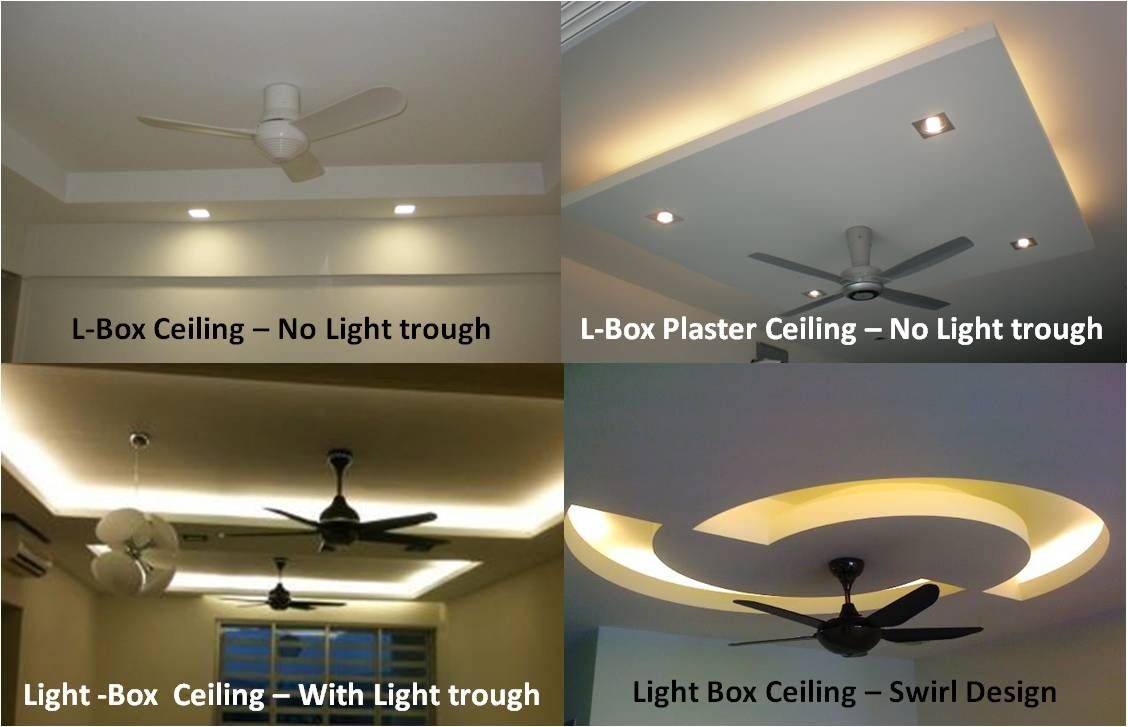
There are several types of plaster ceilings, and each offers a different aesthetic and structural approach. The most traditional type involves plaster applied over wooden or metal lath. In this system, the plaster is pressed into gaps between lath strips, creating a mechanical bond as it hardens. This method is commonly found in older homes and historic buildings.
Another common type is plaster applied over drywall. In this case, a thin layer of plaster is spread over gypsum boards to achieve a smoother and more refined finish than standard drywall alone. This method is popular in modern homes that aim for a seamless look. It combines the efficiency of drywall installation with the elegance of a plaster surface.
Decorative plaster ceilings include features such as cornices, ceiling roses, and coffered designs. These elements can be cast in plaster and attached to the ceiling or formed directly on-site by skilled craftsmen. When people ask what is plaster ceiling in a design context, they are often referring to these decorative styles that elevate the visual appeal of a room.
Installation Process of a Plaster Ceiling
The installation of a plaster ceiling requires skill, patience, and careful preparation. The process begins with preparing the base surface, which may involve installing lath or drywall panels. Proper support is crucial because plaster is relatively heavy compared to other ceiling finishes. The structure must be strong enough to hold the weight without sagging over time.
Once the base is ready, the plaster mixture is prepared by combining the chosen material with water to create a smooth paste. This paste is applied in layers, typically starting with a base coat and followed by one or more finishing coats. Each layer must be allowed to partially set before the next is applied. Skilled plasterers use specialized tools to spread and smooth the material evenly across the ceiling.
The final stage involves finishing and curing. The surface is carefully smoothed, textured, or decorated as desired. Proper curing ensures that the plaster hardens correctly and achieves its maximum strength. Understanding the installation process is essential for anyone researching what is plaster ceiling, as it highlights the craftsmanship and labor involved in achieving a flawless result.
Advantages of Plaster Ceilings
Plaster ceilings offer several advantages that contribute to their enduring popularity. One of the most significant benefits is their smooth and seamless appearance. Unlike drywall, which often shows joints and seams, plaster creates a continuous surface that enhances the overall aesthetic of a room. This makes it a preferred choice for high-end residential and commercial projects.
Another major advantage is durability. When properly installed, plaster ceilings can last for many decades. They are resistant to minor impacts and can withstand wear and tear better than some alternative materials. Additionally, plaster provides good fire resistance, which can enhance the safety of a building.
Plaster ceilings also offer excellent acoustic properties. The density of plaster helps reduce sound transmission between rooms, making interiors quieter and more comfortable. For homeowners and designers considering what is plaster ceiling, these functional benefits are just as important as the visual appeal.
Disadvantages and Considerations
Despite their many benefits, plaster ceilings also have some disadvantages. One of the main concerns is cost. Installing a plaster ceiling typically requires skilled labor, which can be more expensive than installing standard drywall. The materials themselves may also add to the overall project budget.
Another consideration is weight. Plaster is heavier than many alternative ceiling materials, which means the supporting structure must be strong and properly designed. In older buildings, deteriorating lath or framing can lead to cracks or sagging if not properly addressed.
Maintenance can also be more complex. While plaster is durable, it can crack over time due to structural movement or settling. Repairing plaster requires specialized knowledge to ensure that patches blend seamlessly with the existing surface. Understanding these limitations is part of fully answering the question of what is plaster ceiling in practical terms.
Plaster Ceiling Designs and Finishes
Plaster ceilings can be customized in countless ways to suit different design preferences. Smooth finishes are popular in modern interiors, creating a clean and minimalist look. These ceilings often reflect light evenly, making rooms appear brighter and more spacious.
Textured finishes are another option. Techniques such as stippling, swirling, or creating subtle patterns can add depth and character to a ceiling. Textured plaster can help conceal minor imperfections and create visual interest without overwhelming the space.
For more traditional or luxurious interiors, decorative moldings and ceiling medallions can be incorporated. These features are often crafted from plaster and can transform a simple room into an elegant setting. When discussing what is plaster ceiling from a design perspective, these artistic possibilities play a central role.
Maintenance and Repair of Plaster Ceilings
Proper maintenance is essential to preserve the beauty and integrity of a plaster ceiling. Regular inspections can help identify small cracks or areas of wear before they become larger issues. Minor cracks can often be repaired with specialized fillers designed for plaster surfaces.
Cleaning plaster ceilings requires care. Harsh chemicals or excessive moisture can damage the surface. Gentle dusting and occasional repainting are usually sufficient to maintain their appearance. Repainting can also refresh the look of the ceiling and adapt it to changing interior design trends.
In cases of significant damage, such as water leaks or structural movement, professional repair may be necessary. Skilled craftsmen can restore damaged sections to match the original finish. This ability to repair rather than replace is another important aspect of understanding what is plaster ceiling and why it remains valued in both historic and modern properties.
Plaster Ceiling vs. Other Ceiling Types
Comparing plaster ceilings to other types of ceilings helps clarify their unique qualities. Drywall ceilings are more common in modern construction due to their lower cost and faster installation. However, they often lack the seamless elegance and durability of plaster.
Suspended or drop ceilings are frequently used in commercial spaces. While they provide easy access to utilities and are practical for certain applications, they do not offer the same refined appearance as plaster. Plaster ceilings, by contrast, are typically chosen for spaces where aesthetics are a priority.
Wood panel ceilings and exposed concrete ceilings each have their own appeal, but they create a very different atmosphere. When someone asks what is plaster ceiling compared to these alternatives, the answer lies in its combination of smoothness, durability, and timeless design flexibility.
Is a Plaster Ceiling Right for You?
Deciding whether a plaster ceiling is suitable for your project depends on several factors, including budget, design goals, and building structure. If you value a high-end finish and long-term durability, plaster may be an excellent choice. It is particularly well-suited for living rooms, dining areas, and other spaces where visual impact matters.
For historic renovations, plaster ceilings are often the most appropriate option because they maintain architectural authenticity. In new construction, they can elevate the overall quality of the interior. However, it is important to work with experienced professionals to ensure proper installation.
Ultimately, understanding what is plaster ceiling allows homeowners, designers, and builders to make informed decisions. By weighing the advantages and limitations, you can determine whether this classic ceiling finish aligns with your vision and practical requirements.
Conclusion
So, what is plaster ceiling? It is more than just a ceiling finished with plaster. It is a construction method and design choice that blends durability, beauty, and craftsmanship. From its ancient origins to its modern applications, plaster has remained a trusted material for creating smooth, elegant ceiling surfaces.
Plaster ceilings offer a seamless appearance, strong structural performance, and versatile design possibilities. They can be simple and understated or richly decorative, depending on the style of the space. While they may require higher initial investment and skilled labor, their longevity and timeless appeal often justify the cost.
By understanding the materials, installation process, benefits, and maintenance requirements, you gain a complete picture of what is plaster ceiling. Whether you are renovating a historic home or building a new one, a plaster ceiling can provide a refined and lasting finish that enhances any interior.
FAQs
What is plaster ceiling in simple words?
It is a ceiling finished with a smooth or decorative layer of plaster instead of plain boards or exposed concrete.
Is plaster ceiling better than drywall?
Plaster ceilings are more durable and seamless, but they are usually more expensive than drywall.
How long does a plaster ceiling last?
A properly installed plaster ceiling can last for several decades with minimal maintenance.
Can plaster ceilings crack?
Yes, small cracks can appear due to structural movement, but they can usually be repaired easily.
Are plaster ceilings expensive?
They typically cost more than basic ceiling finishes because they require skilled labor and quality materials.
Also read: Colchester Rapid Transit System: Vision, Planning, and the Future of Sustainable Travel