

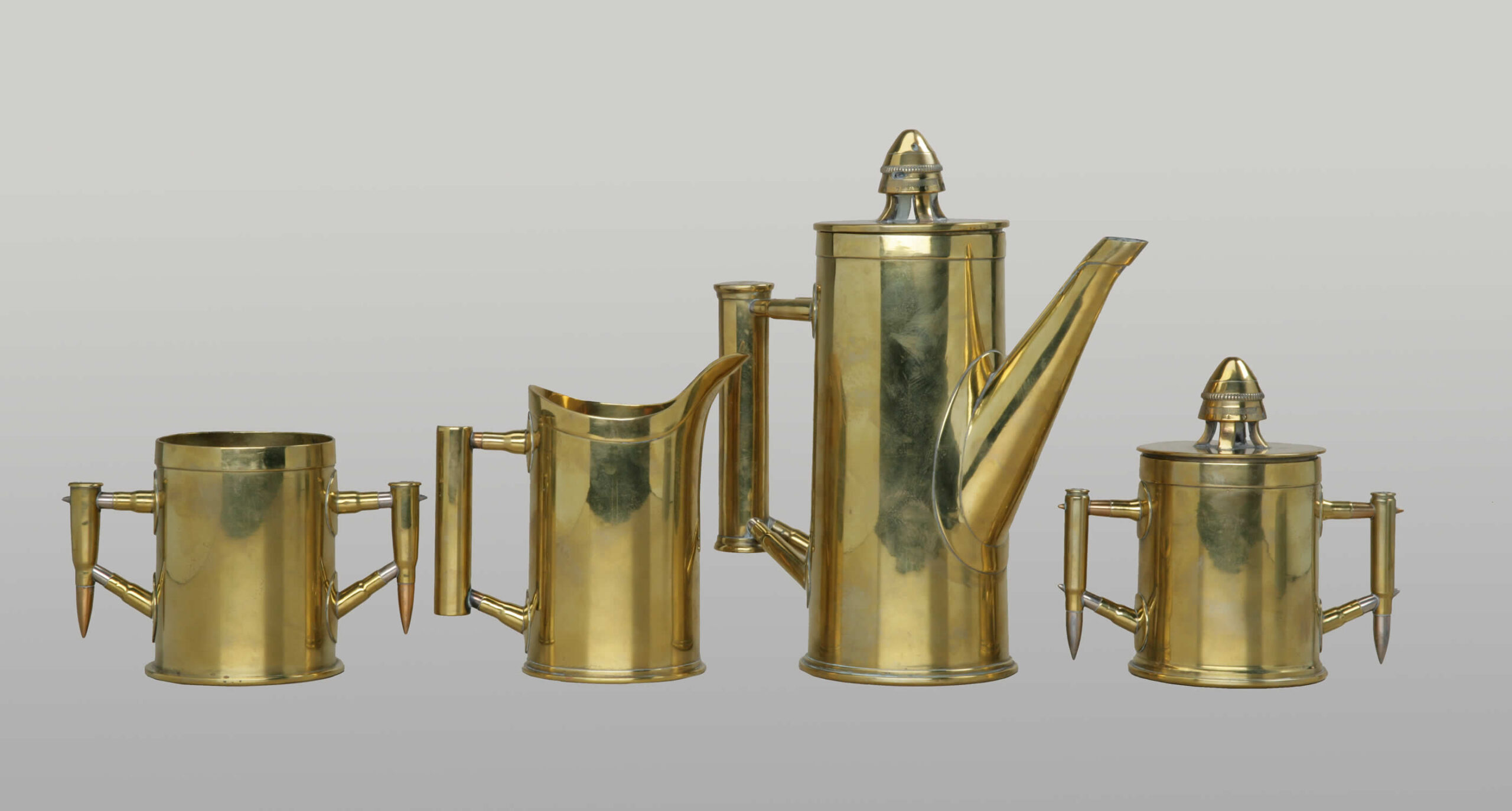
Introduction to World War One Trench Art
World War One trench art is one of the most intriguing and personal forms of historical artifacts to emerge from the chaos of the Great War. Unlike conventional art, trench art was created under extraordinary circumstances where soldiers, prisoners of war, and even civilians repurposed materials found on the battlefield into objects of beauty or utility. These creations offer a deeply human perspective on life during the war, showcasing creativity, resilience, and emotional expression amid the hardships of trench warfare. For many soldiers, crafting trench art became a way to cope with the monotony, stress, and trauma of the front line, transforming weapons and debris into meaningful keepsakes or gifts.
Trench art originated in the trenches of the Western Front, where soldiers endured long periods of inactivity interspersed with extreme danger. Soldiers had to wait for days or even weeks for combat engagements, and in those idle moments, many turned to carving, engraving, and decorating objects from whatever materials they could find. These objects often ranged from simple inscriptions on shell casings to elaborate carvings on bone, ivory, or metal. Beyond their artistic value, these pieces were imbued with personal significance, capturing memories, commemorating fallen comrades, and providing a tangible link to home.
The practice of trench art was widespread, spanning soldiers of all ranks and nationalities. It was not confined to active combatants; wounded soldiers recuperating in hospitals, prisoners of war, and even civilians in occupied territories also contributed to this unique form of creation. Trench art provides historians, collectors, and enthusiasts with invaluable insight into the social, emotional, and cultural dimensions of World War One. It represents not only an artistic endeavor but also a historical record of the human experience during one of the most devastating conflicts in history.
Materials Used in Trench Art
One of the defining aspects of trench art is the ingenious use of available materials. The most common source was spent artillery shells and bullet casings. Soldiers collected these discarded items from battlefields, often smoothing, engraving, and reshaping them into vases, lamps, ashtrays, or purely decorative objects. The symbolism is powerful: instruments of death transformed into objects of beauty, demonstrating both skill and a desire to reclaim control from the destruction surrounding them. The variety of designs engraved on shells reflects the individuality of the creators and the stories they wished to tell, from unit insignia to personal messages or depictions of battlefield scenes.
Other materials included wood, bone, ivory, horn, and metal scraps. Wood was often repurposed from crates, railway sleepers, or even the trenches themselves to create functional items such as boxes, frames, or small furniture. Bone and ivory, sometimes sourced from medical or domestic settings, allowed soldiers to carve delicate figures, cigarette holders, or small trinkets. Even humble objects like coins, buttons, or badges were incorporated into trench art, reflecting resourcefulness and creativity. These materials also served as a canvas for personalization, allowing soldiers to leave their mark on objects that were otherwise utilitarian or discarded.
Luxurious materials like silver or semi-precious stones were sometimes used by officers or soldiers with access to additional resources. These pieces often included engraved silverware, decorative jewelry, or miniature furniture items. Regardless of the material, trench art represents a transformation from war to art, turning remnants of destruction into personal expressions of skill, memory, and sometimes even hope. Each piece serves as a snapshot of the soldier’s environment, mindset, and emotional state during the war.
Types of Trench Art
Trench art can be divided into several categories, each reflecting different purposes, skills, and creative intentions. Engraved shell casings were among the most prevalent types. Soldiers would take spent shells and intricately carve designs, often including regiment insignia, personal messages, or depictions of military life. These shells were transformed into vases, candle holders, or simple display pieces. The process of engraving provided not just artistic satisfaction but also a psychological escape from the dangers of the front lines, allowing soldiers to assert some control over their environment.
Functional items such as utensils, letter openers, and cigarette cases formed another significant category. These objects combined practicality with artistic expression. For instance, a soldier might fashion a letter opener from a bayonet or craft a cigarette case from a shell casing, decorating it with engraved patterns or inscriptions. These items were often sent home as gifts, creating a meaningful connection between the soldier and loved ones while also demonstrating the soldier’s skill and ingenuity.
Decorative and commemorative objects make up the third major type of trench art. Miniature sculptures, plaques, and jewelry were created to honor fallen comrades, celebrate survival, or simply pass the time. Symbols such as poppies, national emblems, or dates of battles frequently appeared on these items, serving as reminders of personal experiences and collective memory. Some trench art also reflected humor, satire, or whimsical creativity, providing a rare glimpse into the morale and personality of soldiers amidst the brutality of war. Collectively, these categories illustrate the diversity and depth of trench art, reflecting both technical skill and emotional significance.
Techniques and Methods of Creation
The techniques used in trench art were as varied as the materials themselves. Engraving was a primary method, requiring precision and patience. Soldiers used simple tools like knives, files, and improvised chisels to carve patterns into shell casings, bone, or wood. The level of detail varied widely, from crude inscriptions to intricate scenes showing soldiers, landscapes, or heraldic symbols. Engraving required steady hands and focus, often providing a meditative or therapeutic effect for soldiers living under constant stress.
Carving was another common method, particularly with wood, bone, or ivory. Soldiers would shape these materials into figures, boxes, or decorative items, sometimes combining multiple materials for a more sophisticated effect. The process often involved sanding, polishing, and sometimes painting or staining the surface to enhance its visual appeal. In addition, some soldiers experimented with metalworking techniques, including soldering, etching, and stamping, particularly when crafting functional items like cigarette cases or silverware.
Another technique involved assembly and collage, where soldiers combined various materials—metal, wood, bone, buttons, coins, or fabric—into composite objects. This method allowed for even more personal expression, as soldiers could incorporate symbols, names, or meaningful items directly into their creations. The combination of multiple techniques demonstrates the ingenuity and adaptability of soldiers, who turned limited resources into works of art, personal expression, and historical documentation.
Symbolism and Meaning in Trench Art
Trench art was not merely decorative; it carried deep symbolic and emotional significance. Many pieces commemorated fallen comrades or marked participation in particular battles. For example, an engraved shell might bear the date of a battle, the unit name, or the name of a friend who had died in combat. These objects acted as personal memorials, helping soldiers cope with grief and maintain connections to those who were lost. The transformation of objects associated with destruction into items of beauty also symbolized resilience and the human capacity for hope in dire circumstances.
Trench art also served as a means of self-expression and identity. Soldiers could display pride in their regiment, their national identity, or their personal experiences through the motifs they selected. For example, motifs such as flags, animals, or local landscapes often appeared on trench art, reflecting both nostalgia for home and a sense of belonging within military units. Humorous or whimsical designs allowed soldiers to maintain morale, providing brief mental escapes from the stress and trauma of trench life.
Furthermore, trench art acted as a communication tool. Soldiers sent many pieces home to family members as gifts, providing tangible proof of survival and creativity. These items were treasured by families, becoming heirlooms that captured personal histories and wartime experiences. In this way, trench art bridged the gap between the battlefield and the home front, offering a sense of continuity and connection even amidst widespread chaos and loss.
Collecting and Preserving Trench Art
Today, trench art is highly sought after by collectors, historians, and museums. Authentic pieces provide valuable insight into the personal experiences of soldiers and the material culture of World War One. Collectors often focus on engraved shell casings, carved bone or ivory objects, and functional items such as cigarette cases or letter openers. Provenance is crucial in determining authenticity, as the market is occasionally flooded with replicas or post-war creations. The condition of the materials also affects value, as well-preserved items display the craftsmanship and details more clearly.
Preserving trench art requires careful attention to materials and environmental conditions. Metal objects, particularly shell casings, can corrode if exposed to moisture, while wood, bone, and ivory can deteriorate with changes in humidity or temperature. Museums and collectors typically store these items in climate-controlled environments and use conservation techniques to stabilize and clean them without damaging the original work. Documentation, including the maker’s identity, location, and history of the piece, adds significant historical value and helps contextualize each object within the broader narrative of the war.
Trench art is not only a collector’s interest but also a tool for education and research. Exhibitions in museums allow the public to engage with the personal stories of soldiers and the creativity that emerged from wartime conditions. Schools and historians often use trench art to illustrate aspects of World War One that go beyond military strategies, highlighting human experiences, coping mechanisms, and the enduring impact of conflict on individual lives.
Famous Examples and Museums
Several notable pieces of trench art survive today, demonstrating the skill and emotional depth of the creators. Engraved shell casings with intricate battlefield scenes are among the most celebrated examples, often displaying regiment insignia, dates, and personal dedications. Carved ivory and bone cigarette holders, sometimes decorated with initials or national symbols, are highly prized for their detail and rarity. Functional items like engraved silverware, miniature furniture, and assembled collages reflect both technical skill and artistic ingenuity. These objects have been preserved in museums and private collections worldwide, allowing audiences to appreciate their historical and aesthetic significance.
Museums with significant trench art collections include the Imperial War Museum in London, the Canadian War Museum, and the Australian War Memorial. These institutions provide curated displays that contextualize trench art within the broader scope of World War One history, emphasizing both the artistic and human elements. Visitors can explore the diversity of materials, techniques, and purposes of trench art, gaining a deeper understanding of soldiers’ lives and experiences. Exhibitions often highlight personal stories associated with specific pieces, connecting visitors to the emotional and cultural dimensions of the objects.
Trench art has also inspired contemporary artists and historians. Replicas, reinterpretations, and modern exhibits demonstrate the continued relevance of this unique art form. By examining trench art today, we not only preserve the memory of World War One but also celebrate the creativity, resilience, and humanity of the soldiers who lived through one of history’s most challenging periods.
Legacy of Trench Art Today
The legacy of World War One trench art extends far beyond the objects themselves. It highlights the enduring human capacity for creativity, adaptation, and emotional expression in times of extreme adversity. For historians, collectors, and educators, trench art provides a tangible link to the personal experiences of soldiers, offering insights that traditional historical sources often cannot convey. It bridges the gap between history, art, and human psychology, demonstrating how individuals respond to trauma and monotony through creativity.
Contemporary artists and craftspeople often draw inspiration from trench art, reinterpreting its themes and techniques in modern contexts. The idea of transforming materials associated with destruction into objects of beauty resonates across time, encouraging reflection on both past and present conflicts. Trench art also underscores the importance of material culture in historical research, emphasizing how everyday objects can carry profound meaning and stories.
Ultimately, World War One trench art is more than a collection of artifacts; it is a testament to resilience, ingenuity, and the human spirit. Each piece captures a moment in time, reflecting both the harsh realities of war and the enduring desire to create, remember, and connect. As we study and preserve trench art, we honor the soldiers who turned destruction into expression and ensure that their experiences continue to inform and inspire future generations.
FAQs
What is World War One trench art? Trench art is the creative work made by soldiers using battlefield materials during World War One.
What materials were used in trench art? Common materials included shell casings, bullets, wood, bone, ivory, and metal scraps.
Why did soldiers create trench art? Soldiers made trench art to cope with stress, commemorate events, and send keepsakes home.
Where can you see trench art today? Museums like the Imperial War Museum and the Canadian War Museum display trench art collections.
Are World War One trench art pieces valuable? Yes, authentic pieces are highly valued by collectors and historians for their historical and artistic significance.
Can trench art tell personal stories? Absolutely, each piece often reflects the experiences, emotions, and memories of the soldier who created it.
Is trench art still made today? Modern artists sometimes draw inspiration from trench art, reinterpreting its forms and meanings in contemporary work.
Also read:Cheddar Postcode: A Complete Guide to the Postal Code System in Cheddar, Somerset