
Introduction to the Champagne Charlie Meaning
The phrase “Champagne Charlie” has captured curiosity for many years. Many people hear the expression in songs, books, or casual conversation and wonder what it actually means. At first glance, the phrase might sound playful or humorous, but its meaning is tied to history, culture, entertainment, and social identity. Understanding the Champagne Charlie meaning requires exploring the story behind the phrase and the person who made it famous.
In simple terms, Champagne Charlie usually refers to a person who lives a luxurious lifestyle and enjoys expensive pleasures, especially champagne and fine entertainment. The phrase often describes someone who is stylish, confident, and perhaps a little extravagant. However, its deeper meaning comes from a real historical figure whose personality shaped the phrase that people still remember today.
Over time, the phrase has moved beyond its original context and entered everyday language. Today, people may use it to describe someone who enjoys the finer things in life, someone who is flashy, or someone who enjoys showing off wealth and success. While the phrase might sound humorous, it also reflects how society views luxury, celebration, and personality.
The Historical Origin of the Champagne Charlie Phrase
To truly understand the Champagne Charlie meaning, we must look back at the Victorian era in England. The phrase is closely connected to the famous entertainer George Leybourne. He was a popular music hall singer in the 19th century who gained fame for performing a song called “Champagne Charlie.”
Music halls were extremely popular forms of entertainment in Victorian Britain. They were similar to modern-day variety shows where performers sang songs, told jokes, and entertained audiences with different acts. George Leybourne became well known for his energetic performances and his flamboyant personality. His signature song “Champagne Charlie” celebrated luxury, enjoyment, and living life with style.
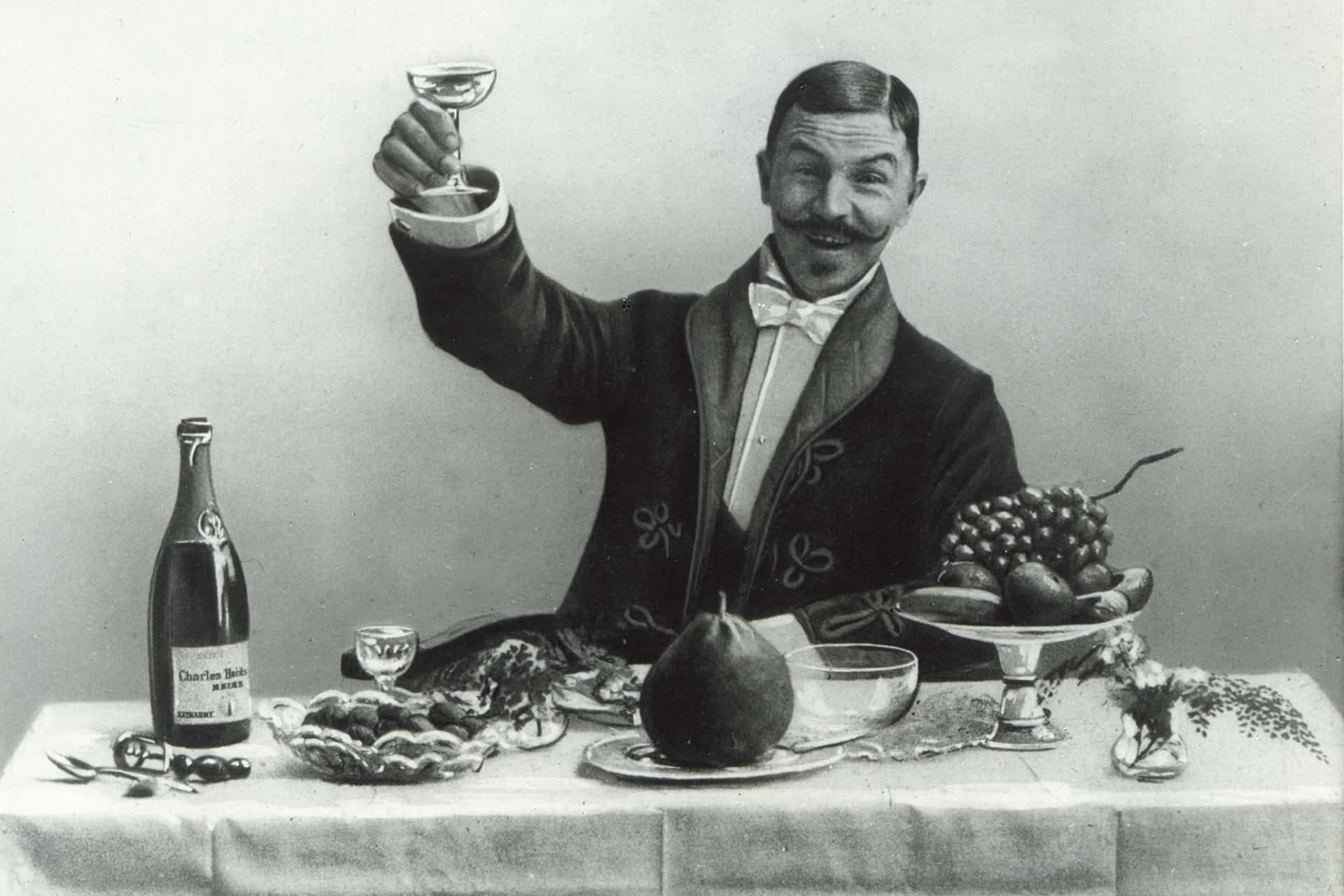
Leybourne’s performance of the song created a strong connection between the phrase and his personal image. He often appeared on stage dressed in elegant clothing, carrying champagne, and acting like a wealthy gentleman who loved the good life. This theatrical persona helped create the character of Champagne Charlie that audiences loved.
As his popularity grew, the nickname Champagne Charlie became widely recognized. People began to associate the phrase with anyone who behaved in a similar way—someone confident, stylish, and fond of luxury. What started as a stage persona eventually became a lasting cultural expression.
The Famous Song That Made Champagne Charlie Popular
The song “Champagne Charlie” played a major role in spreading the phrase around the world. It became one of the most famous music hall songs of the Victorian era. When George Leybourne performed it on stage, audiences were immediately drawn to its catchy melody and lively lyrics.
The song tells the story of a confident and extravagant man who proudly celebrates his love for champagne and high society. The character in the song is playful, proud, and enjoys attention. The lyrics highlight themes of celebration, enjoyment, and a carefree lifestyle.
Because the song was performed so frequently, audiences began to repeat the phrase outside the theater. People would refer to stylish or wealthy individuals as Champagne Charlie, especially if they appeared to enjoy luxury or entertainment. In this way, a song helped create a phrase that entered everyday language.
The popularity of the song also reflects the cultural atmosphere of the Victorian era. During this time, society was fascinated with wealth, fashion, and entertainment. Music hall performances often exaggerated these themes for humor and excitement, and Champagne Charlie became a symbol of that extravagant lifestyle.
Champagne Charlie in Victorian Society
The Champagne Charlie meaning was closely linked to the social culture of Victorian England. This was a time when class differences were very visible, and luxury was often associated with status and success. Champagne itself was considered a symbol of wealth and celebration.
When people heard the phrase Champagne Charlie, they immediately imagined someone who was wealthy, fashionable, and full of confidence. This image matched the personality that George Leybourne portrayed on stage. His performances reflected a glamorous version of life that audiences found entertaining and exciting.
At the same time, the character also contained a sense of humor. Champagne Charlie was not just a symbol of wealth but also a playful exaggeration of luxury. The character showed how people sometimes admired extravagant lifestyles while also laughing at them.
Because of this balance between admiration and humor, the phrase became memorable. It represented both the excitement of luxury and the entertainment of theatrical performance. Victorian audiences loved characters who were larger than life, and Champagne Charlie perfectly fit that role.
The Personality Traits Associated With Champagne Charlie
Over time, the phrase Champagne Charlie developed a set of personality traits that people commonly associate with it. These traits help explain how the phrase is used in everyday language today.
One common trait is confidence. A Champagne Charlie is usually someone who carries themselves with boldness and style. They are not afraid to attract attention or stand out in a crowd. Their personality is often energetic and expressive.
Another trait is a love for luxury. Champagne Charlie is often connected with expensive drinks, stylish clothing, and elegant surroundings. The phrase suggests someone who enjoys the finer things in life and does not hide that enjoyment.
A third trait is charm. The character is often portrayed as friendly, entertaining, and charismatic. Even though Champagne Charlie may appear extravagant, they are usually described in a playful or humorous way rather than a negative one.
How the Meaning Changed Over Time
Although the phrase originally came from a specific historical context, its meaning has evolved over time. Language constantly changes, and expressions often develop new meanings as different generations use them.
In modern times, Champagne Charlie can simply describe someone who enjoys celebrating and living a luxurious lifestyle. It may refer to a person who loves parties, expensive drinks, and stylish experiences. Sometimes the phrase is used in a friendly or joking way among friends.
In other situations, the phrase might carry a slightly critical tone. If someone spends too much money on luxury or tries too hard to appear wealthy, people might call them Champagne Charlie as a way of teasing them. This shows how the phrase can express both admiration and humor.
Despite these changes, the core meaning remains connected to celebration, confidence, and luxury. The image of someone raising a glass of champagne while enjoying life continues to define the phrase.
Champagne Charlie in Popular Culture
The phrase Champagne Charlie has continued to appear in popular culture long after the Victorian era. Writers, filmmakers, and entertainers have used the phrase to create characters who embody confidence and extravagance.
In literature, the phrase sometimes appears when describing a character who lives a glamorous lifestyle. Authors may use it to show that a person enjoys luxury, nightlife, or social attention. The phrase quickly communicates a personality type without needing a long explanation.
In film and television, the idea of Champagne Charlie appears in characters who enjoy expensive living. These characters may drive luxury cars, wear fashionable clothing, and attend high-society events. The phrase helps audiences understand their personality immediately.
Music and entertainment also continue to reference the phrase. Because it originally came from a song, it naturally fits into musical culture. Performers sometimes use the phrase to represent celebration and enjoyment.
The Symbolism Behind Champagne in the Phrase
Champagne itself plays an important role in the Champagne Charlie meaning. Champagne has long been associated with celebration, success, and luxury. It is often used during weddings, victories, and special events.
Because champagne is considered a premium drink, it symbolizes wealth and sophistication. When people imagine Champagne Charlie, they picture someone who enjoys these symbols of success. The drink becomes a representation of the character’s lifestyle.
The use of champagne in the phrase also adds a sense of excitement and joy. Champagne is often linked to parties and celebrations. By including it in the phrase, the image of Champagne Charlie becomes lively and festive.
This symbolism explains why the phrase continues to feel glamorous even today. Champagne remains a global symbol of luxury, making the expression easy for people to understand.
Why the Phrase Remains Memorable
Many phrases from the past eventually disappear, but Champagne Charlie has managed to survive for more than a century. Several factors explain why the phrase remains memorable.
One reason is its strong imagery. The phrase instantly creates a clear picture of a stylish person enjoying champagne and celebrating life. Because the image is vivid and entertaining, people remember it easily.
Another reason is its connection to entertainment history. Music halls were extremely popular in Victorian Britain, and many cultural expressions came from those performances. Champagne Charlie became one of the most famous characters created during that era.
Finally, the phrase reflects universal themes. People across cultures understand the idea of luxury, celebration, and personality. Because these themes are timeless, the phrase continues to feel relevant even in modern conversations.
Modern Interpretations of Champagne Charlie
In the modern world, the Champagne Charlie meaning can appear in several different ways. Some people use it as a compliment to describe someone who enjoys life and celebrates success. In this context, the phrase suggests confidence, charm, and style.
Others use it humorously when referring to a friend who spends money on luxury items or enjoys expensive experiences. For example, someone who orders the most expensive drink at a restaurant might jokingly be called Champagne Charlie.
In social media and online discussions, the phrase may appear when people talk about luxury lifestyles or glamorous personalities. Even though many users may not know its historical origin, the phrase still communicates a clear idea.
This adaptability shows why the expression continues to survive. It is flexible enough to fit different contexts while still maintaining its core meaning.
The Cultural Legacy of Champagne Charlie
The legacy of Champagne Charlie extends beyond language. It represents a piece of entertainment history and a reflection of social attitudes during the Victorian era. The character helped shape how people imagined luxury and celebration.
Through music halls, songs, and performances, the phrase became part of cultural memory. Even people who have never heard the original song can still understand the expression because its imagery is so clear.
The legacy also reminds us how entertainment can influence language. A single stage character created by a performer can become a lasting expression used by millions of people over time.
In this way, Champagne Charlie demonstrates the power of performance and storytelling in shaping culture.
The Enduring Appeal of a Flamboyant Character
One of the reasons Champagne Charlie remains popular is the universal appeal of flamboyant characters. People often enjoy personalities who are confident, stylish, and slightly exaggerated.
These characters bring energy and excitement to stories and entertainment. They represent a version of life that is bold, joyful, and full of celebration. Champagne Charlie fits perfectly into this tradition.
At the same time, the character also carries a playful sense of humor. The exaggerated lifestyle allows audiences to enjoy the fantasy of luxury without taking it too seriously. This combination of glamour and humor keeps the character entertaining.
As long as people continue to enjoy stories about larger-than-life personalities, the image of Champagne Charlie will likely remain part of cultural language.
Conclusion
The Champagne Charlie meaning is much more than a simple phrase. It represents a fascinating mix of history, entertainment, personality, and cultural symbolism. The expression began with a Victorian music hall performer who created a memorable stage character that audiences loved.
Over time, the phrase moved beyond its original context and became a part of everyday language. Today it describes someone who enjoys luxury, confidence, and celebration. Whether used as a compliment, a joke, or a cultural reference, the phrase still carries the spirit of the character who first brought it to life.
The story of Champagne Charlie also shows how entertainment can influence language and culture. A single song performed in a Victorian theater eventually created an expression that people continue to use more than a century later. This lasting influence highlights the power of creativity and performance in shaping the words and ideas that define society.
FAQs
What does Champagne Charlie mean? It refers to a person who enjoys luxury, celebration, and a flashy lifestyle.
Who created the Champagne Charlie character? The character was popularized by the Victorian music hall performer George Leybourne.
Why is champagne used in the phrase Champagne Charlie? Champagne symbolizes wealth, celebration, and luxury.
Is Champagne Charlie used positively or negatively? It can be used both as a compliment for someone stylish or jokingly for someone extravagant.
Is Champagne Charlie still used today? Yes, the phrase still appears in modern conversations, culture, and entertainment.
Also read:Chiselbury Camp: A Complete Guide to the Ancient Hillfort of Dorset