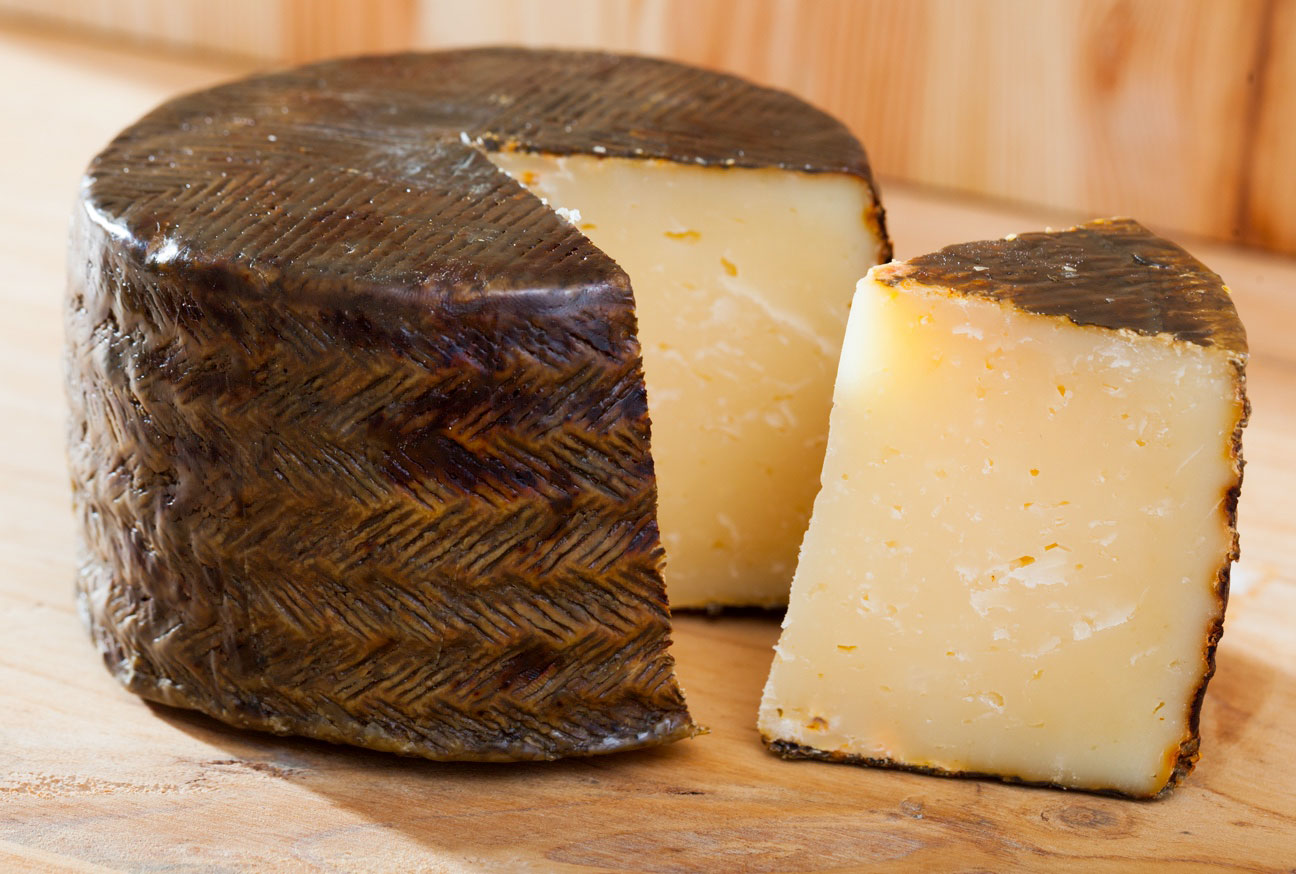

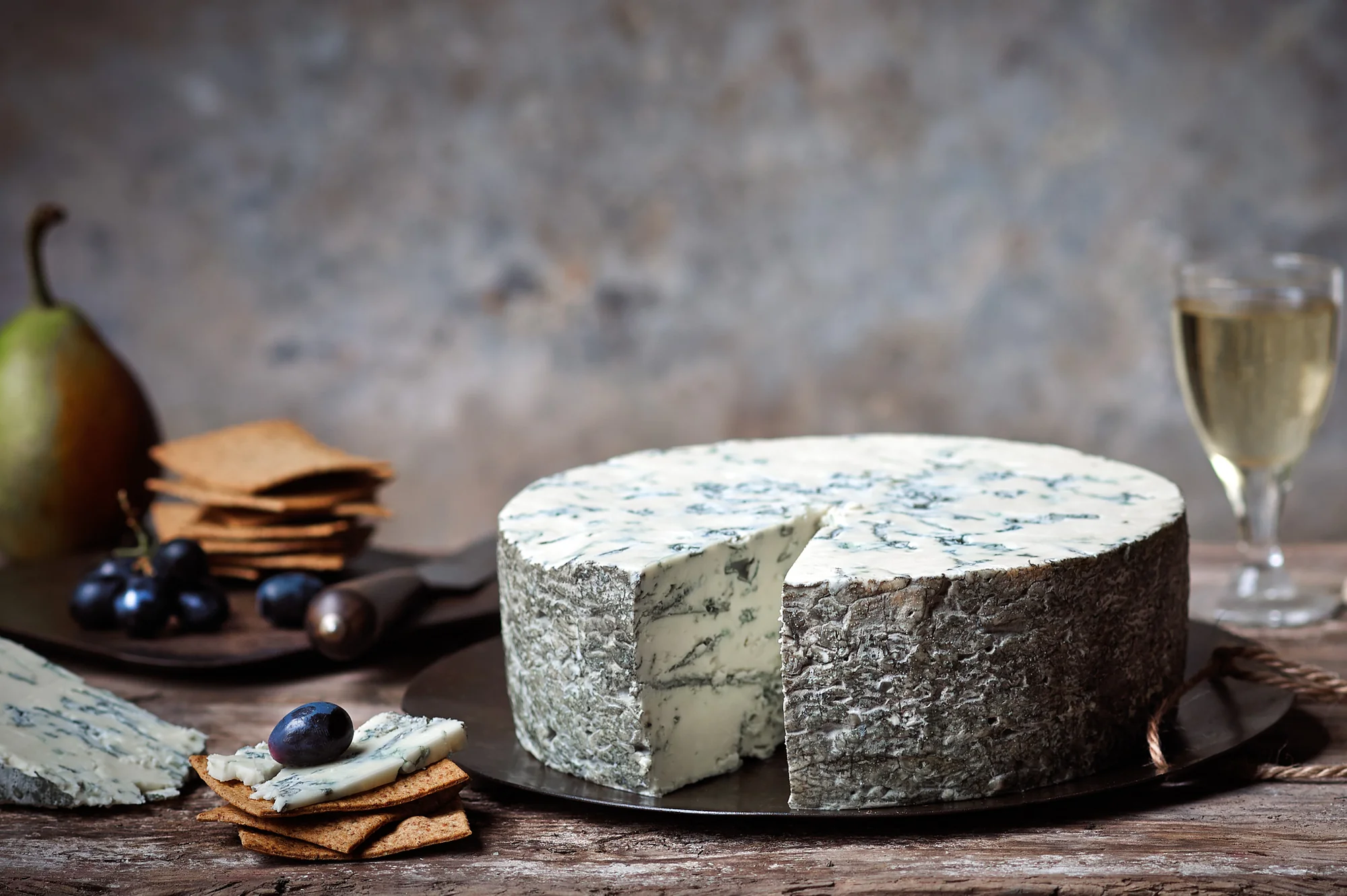
Buffalo cheese has been steadily gaining popularity in the UK, and for good reason. Known for its rich, creamy texture and distinct flavor, buffalo cheese offers a unique alternative to traditional cow’s milk cheese. Whether it’s the soft, indulgent buffalo mozzarella topping your pizza or an artisanal aged buffalo cheddar served on a cheeseboard, this cheese has carved out a niche in British kitchens. Consumers are becoming increasingly aware of the nutritional benefits of buffalo milk, and artisanal producers are responding to the growing demand by bringing high-quality buffalo cheeses to the UK market.
Buffalo cheese is produced from the milk of water buffalo, which has a higher fat content than cow’s milk. This results in cheese with a creamier, more luxurious texture and a subtly sweet flavor. Unlike many cow cheeses, buffalo cheese often melts beautifully without becoming greasy, making it a favorite for cooking, baking, and snacking. The growing interest in specialty cheeses in the UK has created opportunities for small-scale farmers and importers to introduce a wider range of buffalo cheeses, from fresh mozzarella to aged varieties.
In addition to flavor, buffalo cheese is valued for its nutritional profile. Higher levels of protein, calcium, and certain vitamins make it a desirable option for health-conscious consumers. It’s also often perceived as more digestible for those who find cow’s milk products heavy. The combination of taste, texture, and nutrition is fueling the surge of buffalo cheese across supermarkets, specialty stores, and restaurants in the UK.
History of Buffalo Cheese
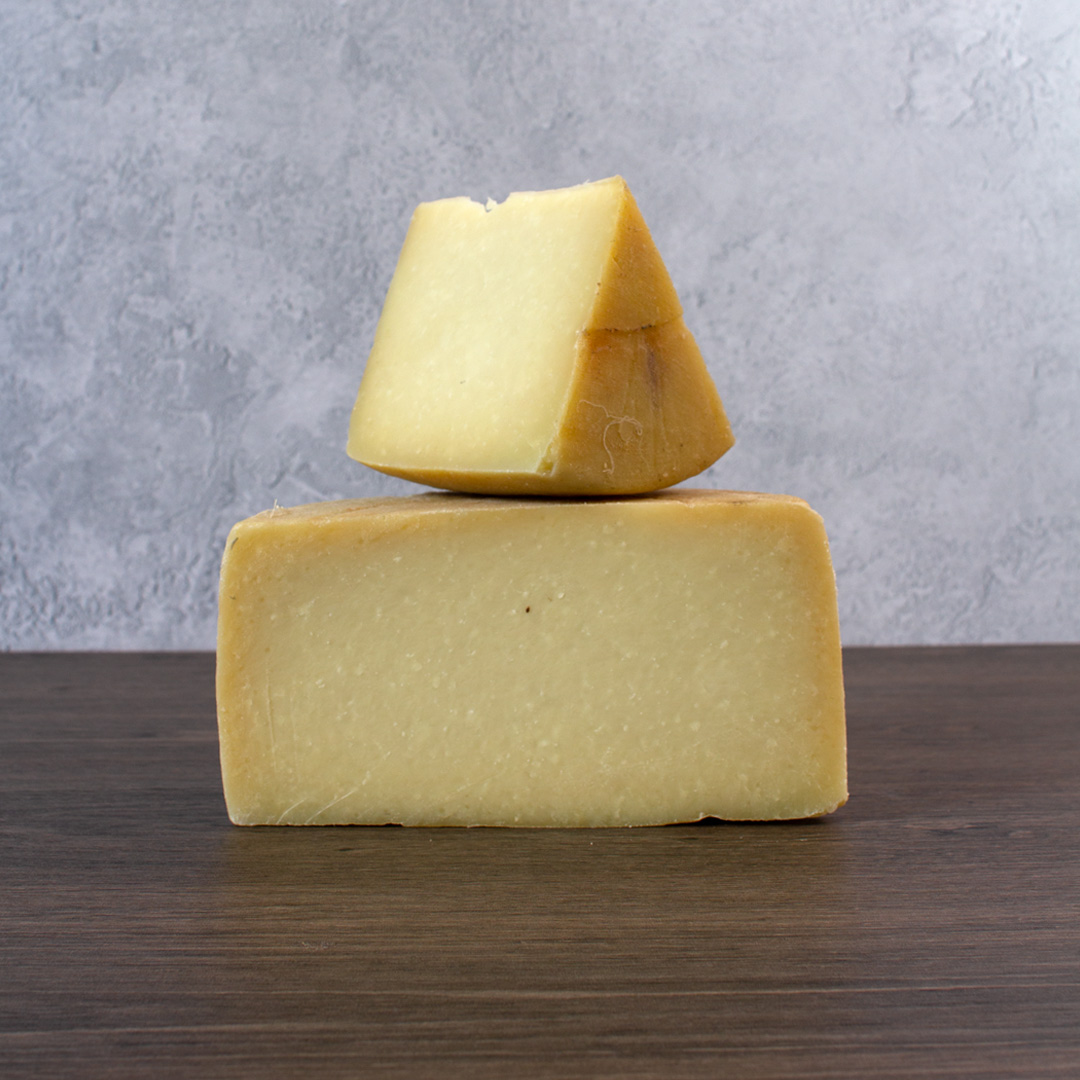
Buffalo cheese has a long and storied history that dates back centuries. Originating in regions like India and Italy, buffalo milk was traditionally used to create rich, creamy cheeses that could be enjoyed fresh or aged. Italian buffalo mozzarella, in particular, has become iconic worldwide. In the UK, the introduction of buffalo cheese coincided with the rise of Mediterranean cuisine and the growing appetite for artisanal, high-quality ingredients.
Historically, water buffalo were kept primarily for milk, meat, and work in agriculture. In Italy, the Campania region became famous for producing buffalo mozzarella, a cheese made with milk from the local Mediterranean buffalo breed. The methods of production were carefully refined over generations, resulting in a cheese that is soft, elastic, and flavorful. These traditional practices inspired UK importers and farmers to recreate authentic buffalo cheeses locally.
The journey of buffalo cheese to the UK also reflects changing consumer tastes. British consumers have shown increasing interest in specialty cheeses, driven by a desire for authenticity and quality. This shift has encouraged more local production, alongside imports from Italy and other countries. The UK’s culinary landscape now embraces buffalo cheese not only as an exotic addition but as a versatile ingredient suitable for everyday cooking.
Types of Buffalo Cheese Available in the UK
In the UK, a variety of buffalo cheeses are now available, each with its own unique taste, texture, and culinary applications. The most commonly recognized is buffalo mozzarella, which is soft, milky, and perfect for salads, pizzas, and sandwiches. Fresh buffalo mozzarella is prized for its delicate flavor and smooth texture, making it a go-to ingredient for Italian dishes.
Beyond mozzarella, there are aged buffalo cheeses that provide deeper, more complex flavors. These include buffalo cheddar, buffalo gouda, and buffalo ricotta, each offering a distinct profile. Aged buffalo cheddar, for example, has a slightly tangy and nutty flavor that complements charcuterie boards, while buffalo ricotta is creamy and ideal for desserts, lasagna, and stuffed pasta.
Some UK specialty producers are also experimenting with flavored buffalo cheeses, infusing herbs, spices, and even truffle into the cheese. These variations cater to adventurous consumers looking for gourmet experiences. With such diversity, buffalo cheese has transitioned from a niche product to a versatile component of British gastronomy.
Nutritional Benefits of Buffalo Cheese
One of the key reasons buffalo cheese is gaining attention in the UK is its nutritional value. Buffalo milk contains higher levels of protein, fat, and calcium compared to cow’s milk. This translates into cheese that is not only creamier but also more nutrient-dense. For those seeking a protein boost or calcium-rich diet, buffalo cheese is a beneficial choice.
Buffalo cheese is also rich in vitamins such as B12, which is essential for energy metabolism, and vitamin A, which supports eye health and immunity. Its higher fat content doesn’t necessarily mean it’s unhealthy; the fats in buffalo cheese are predominantly monounsaturated and contain beneficial fatty acids that support heart health. Additionally, some people find buffalo milk easier to digest than cow’s milk due to its different protein composition, making it suitable for those with mild lactose sensitivities.
Including buffalo cheese in your diet can support bone health, muscle repair, and overall nutrition while adding indulgence to your meals. Unlike heavily processed cheeses, fresh buffalo cheese is often made with minimal additives, preserving its natural taste and nutritional benefits. This combination of health and flavor makes it an attractive choice for health-conscious UK consumers.
How Buffalo Cheese is Made
The process of making buffalo cheese is a delicate art that combines traditional methods with modern food safety standards. Fresh buffalo milk is first pasteurized to eliminate harmful bacteria, then coagulated using rennet. The curd is carefully cut, kneaded, and stretched to achieve the soft, elastic texture characteristic of mozzarella. For aged varieties, the cheese is pressed, salted, and matured under controlled conditions to develop deeper flavors.
Fresh buffalo mozzarella is typically made using the pasta filata method, which involves stretching and kneading the curd in hot water. This technique creates a smooth, glossy surface and soft, stringy interior. The cheese is then shaped into balls or logs and stored in brine or vacuum-packed for freshness. Artisanal producers often make buffalo cheese by hand, ensuring consistency and maintaining traditional flavors.
Aged buffalo cheeses follow a different process. After pressing, the cheeses are allowed to mature for weeks or months. During aging, moisture decreases, and the flavors intensify. Some producers wrap the cheese in leaves or wax to enhance aroma and texture. Whether fresh or aged, buffalo cheese production is labor-intensive, requiring skill and patience, which contributes to its premium price point in the UK.
Buffalo Cheese vs Cow Cheese: Key Differences
Comparing buffalo cheese with cow cheese highlights several important differences in taste, texture, and nutrition. Buffalo cheese is creamier and more indulgent due to its higher fat content. It melts smoothly, making it ideal for cooking applications like pizza or lasagna. Cow cheese, by contrast, tends to be firmer and less rich, though it offers a broader variety of flavors and textures depending on the breed and production method.
Nutritionally, buffalo cheese has an advantage in protein and calcium content, while also providing essential vitamins. Cow cheese is often lower in fat, which may appeal to those on calorie-restricted diets, but it can lack the creamy richness of buffalo cheese. Taste-wise, buffalo cheese has a subtle sweetness and milk-forward flavor, whereas cow cheese can vary from mild to sharp, depending on the type.
The digestibility factor is also noteworthy. Some people who experience bloating or mild lactose intolerance with cow cheese find buffalo cheese gentler on the stomach. This makes it a preferable option for individuals seeking rich cheese without discomfort. Overall, buffalo cheese stands out for its luxurious texture, nutritional benefits, and culinary versatility.
Popular Buffalo Cheese Brands in the UK
Several brands and producers have brought buffalo cheese to the UK market, catering to the rising demand. BelGioioso and Mozzarella di Bufala Campana DOP are among the imported options that emphasize traditional Italian methods. These brands are often available in supermarkets, delis, and specialty food stores, offering authentic buffalo mozzarella with a creamy, flavorful profile.
UK-based artisanal producers are also making a name for themselves. Small-scale farms in England and Scotland are experimenting with buffalo milk cheese, creating fresh mozzarella, ricotta, and even aged varieties. These producers often sell directly to restaurants, farmers’ markets, and online retailers, providing fresh, locally-made buffalo cheese. Supporting these local producers not only guarantees quality but also promotes sustainable and ethical farming practices.
Supermarkets such as Waitrose, Sainsbury’s, and Tesco have also expanded their cheese sections to include buffalo options. Some even carry ready-to-eat buffalo cheese salads and snack packs, reflecting the mainstream appeal of this once-niche product. Availability continues to grow as consumer interest in artisanal and premium cheeses increases.
Culinary Uses of Buffalo Cheese
Buffalo cheese is incredibly versatile in the kitchen, enhancing both everyday meals and gourmet dishes. Fresh buffalo mozzarella is perfect for Caprese salads, paired with ripe tomatoes, fresh basil, olive oil, and balsamic vinegar. Its soft texture and mild flavor complement both fresh and cooked dishes. Buffalo ricotta can be used in desserts like cheesecake or as a filling for pasta, adding creaminess without overpowering other flavors.
Cooking with buffalo cheese is also rewarding due to its superior melting properties. On pizza, it melts evenly, creating gooey, creamy layers. In lasagna, it holds its shape while adding richness to the dish. Aged buffalo cheeses, like cheddar or gouda, are excellent on cheeseboards, in grilled sandwiches, or grated over roasted vegetables, offering depth of flavor that regular cow cheese may lack.
Even simple snacking can be elevated with buffalo cheese. Paired with fruit, nuts, or artisanal bread, it becomes a luxurious yet accessible treat. Its adaptability makes it a staple for both home cooks and professional chefs who want to add a touch of indulgence to their creations.
Where to Buy Buffalo Cheese in the UK
Buffalo cheese is widely available across the UK, both in physical stores and online. Supermarkets like Waitrose, Sainsbury’s, Tesco, and Marks & Spencer carry fresh mozzarella and some specialty cheeses. Delis and specialty food shops often offer a broader selection, including imported Italian varieties and locally-made artisanal options.
Online retailers and subscription services have further expanded access. Websites like Ocado, Amazon Fresh, and specialist cheese shops allow customers to order buffalo cheese with home delivery, often guaranteeing freshness. For those seeking artisanal or rare cheeses, farmers’ markets and local food fairs are ideal venues to discover small-scale producers offering handcrafted buffalo cheese.
Restaurants and cafes across the UK are also highlighting buffalo cheese in their menus. From gourmet pizzas to gourmet salads, the use of buffalo cheese in dining establishments has familiarized more consumers with its distinctive taste and texture. The growing accessibility of buffalo cheese reflects its transition from exotic specialty to mainstream culinary ingredient.
The UK Market for Buffalo Cheese
The UK market for buffalo cheese has experienced steady growth in recent years. Rising consumer awareness of high-quality ingredients and international cuisine has contributed to increased demand. Imports from Italy remain significant, particularly for authentic mozzarella di bufala, but local production is also expanding to meet demand.
Market analysts note that the trend toward artisanal and premium foods has benefited buffalo cheese sales. Consumers are willing to pay a higher price for cheese that offers superior flavor, texture, and nutritional value. Retailers are responding by stocking a wider variety of buffalo cheeses, including fresh, aged, and flavored options, appealing to both home cooks and professional chefs.
Future projections suggest continued growth in the UK buffalo cheese market. With increasing interest in health-conscious eating, gourmet cooking, and international cuisine, buffalo cheese is well-positioned to remain a favorite among cheese enthusiasts. Opportunities also exist for small-scale UK producers to innovate, create unique products, and capitalize on the growing appetite for locally-made, high-quality cheeses.
Sustainability and Ethical Considerations
Sustainability is an important consideration in the buffalo cheese market. Ethical farming practices, animal welfare, and environmental impact are increasingly important to UK consumers. Many local buffalo cheese producers adhere to sustainable practices, such as pasture-fed buffalo, minimal processing, and reduced packaging.
Imported buffalo cheese also faces scrutiny regarding environmental impact. Transporting cheese from Italy or other countries contributes to carbon emissions, prompting some consumers to prefer locally-produced options. Supporting ethical producers who prioritize animal welfare and sustainability aligns with the growing demand for conscious consumption in the UK food market.
Sustainable practices not only benefit the environment but also ensure higher quality cheese. Buffalo that are well-fed and raised in humane conditions produce richer, creamier milk, which translates into superior cheese. For consumers, this creates a win-win situation where ethical choices also deliver a premium culinary experience.
Recipes Featuring Buffalo Cheese
Buffalo cheese is a versatile ingredient that can elevate many dishes. A classic Caprese salad with buffalo mozzarella, tomatoes, basil, and balsamic glaze is an easy way to enjoy its fresh flavor. For a heartier meal, buffalo cheese lasagna combines ricotta, mozzarella, and parmesan for a creamy, satisfying dish.
Buffalo cheese can also be used in gourmet sandwiches and toasts. Melted buffalo cheddar over sourdough bread, paired with caramelized onions or roasted vegetables, creates a luxurious snack. Desserts like buffalo ricotta cheesecake offer a lighter, creamier alternative to traditional cream cheese-based recipes. Even simple appetizers, such as buffalo mozzarella skewers with cherry tomatoes and prosciutto, highlight the cheese’s natural richness and melt-in-the-mouth texture.
Baking with buffalo cheese offers endless possibilities. From savory tarts to stuffed pasta, the cheese’s unique properties ensure consistent, indulgent results. Experimenting with buffalo cheese allows home cooks and professional chefs alike to explore new flavors while adding nutritional benefits to their meals.
FAQs
What is buffalo cheese? Buffalo cheese is cheese made from the milk of water buffalo, known for its creamy texture and rich flavor.
Is buffalo cheese healthier than cow cheese? Yes, it often has higher protein, calcium, and vitamins, and can be easier to digest.
Where can I buy buffalo cheese in the UK? Available in supermarkets like Waitrose, Sainsbury’s, Tesco, specialty delis, farmers’ markets, and online retailers.
What types of buffalo cheese are available in the UK? Fresh mozzarella, ricotta, cheddar, gouda, and flavored artisanal varieties.
Can buffalo cheese be used for cooking? Yes, it melts well, making it ideal for pizza, lasagna, sandwiches, and baked dishes.
Is buffalo cheese imported or locally produced in the UK? Both; Italy is a major exporter, but UK artisanal farms also produce buffalo cheese.
Does buffalo cheese taste different from cow cheese? Yes, it’s creamier, slightly sweeter, and melts beautifully, with richer flavor.
Is buffalo cheese more expensive than cow cheese? Generally, yes, due to higher fat content, production costs, and artisanal methods.
Also read:Artistic Visionary: Understanding the Soul of Creativity