
Understanding Chuck Cut Meat: Where It Comes From and Why It Matters
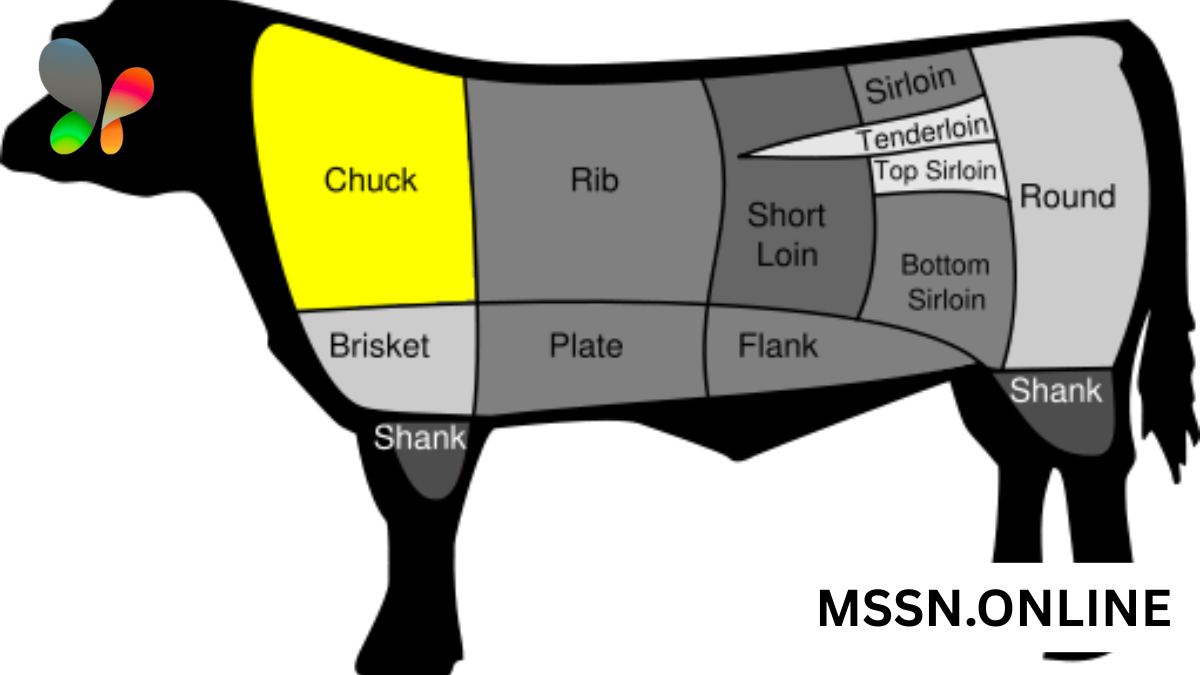
Chuck cut meat comes from the shoulder area of the cow, specifically from the primal section known as the chuck. This region works hard during the animal’s life, which means the muscles are well-developed and full of connective tissue. That might sound like a downside at first, but in reality, it is exactly what gives chuck its rich flavor and incredible depth when cooked properly. The constant movement of the shoulder area results in meat that is packed with beefy character, making it one of the most flavorful sections of the animal.
Because of its structure, chuck cut meat is not typically as tender as cuts from the loin or rib sections. However, what it lacks in natural tenderness, it more than makes up for in taste and affordability. When cooked using the right techniques—such as slow braising, stewing, or low-and-slow roasting—the connective tissues break down into gelatin, creating succulent, melt-in-your-mouth textures. This transformation is what makes chuck such a beloved choice among chefs and home cooks alike.
Another important reason chuck cut meat matters is its versatility. It can be transformed into pot roast, ground beef, steaks, short ribs, shredded beef for tacos, and so much more. If you are someone who values both flavor and budget-conscious cooking, chuck is one of the smartest choices you can make at the butcher counter.
The Different Types of Chuck Cut Meat
When people refer to chuck cut meat, they are often speaking broadly, but the chuck primal is actually divided into several sub-cuts. Each of these has its own characteristics and ideal cooking methods. Understanding the differences can help you choose the right piece for your recipe.
One of the most common options is the chuck roast. This cut is typically large, well-marbled, and ideal for slow cooking. It may be labeled as a blade roast or shoulder roast, depending on how it is trimmed. These roasts shine when braised for several hours, allowing the collagen to break down and produce a fork-tender result.
Another popular variation is the chuck steak. Cut thinner than a roast, chuck steaks can be grilled or pan-seared, though they benefit from marinating or tenderizing beforehand. There is also the flat iron steak, which comes from the shoulder but is separated in a way that removes tough connective tissue. This particular cut is surprisingly tender and is often considered one of the best value steaks available.
Ground chuck is another essential product derived from this section. With a balanced fat content, often around 80/20 lean-to-fat ratio, it is widely used for burgers because it delivers both juiciness and flavor. Whether you are cooking a comforting stew or crafting the perfect backyard burger, chuck offers options to suit nearly every style of cooking.
Why Chuck Cut Meat Is So Flavorful
Flavor in beef comes from several factors, including marbling, muscle usage, and fat distribution. Chuck cut meat excels in all three areas. The shoulder muscles are active, which leads to dense muscle fibers full of beefy intensity. This is why chuck has a deeper, richer taste compared to more delicate cuts.
The fat content in chuck also plays a significant role. Good marbling ensures that as the meat cooks, the fat renders slowly into the fibers. This not only enhances flavor but also contributes to moisture retention. Properly cooked chuck never feels dry; instead, it tastes hearty and satisfying.
Additionally, the connective tissue in chuck transforms during slow cooking. As collagen melts into gelatin, it enriches sauces and broths with body and silkiness. This is why chuck is often preferred for soups and braises. The final dish tastes fuller, thicker, and more luxurious without requiring added thickeners.
Best Cooking Methods for Chuck Cut Meat
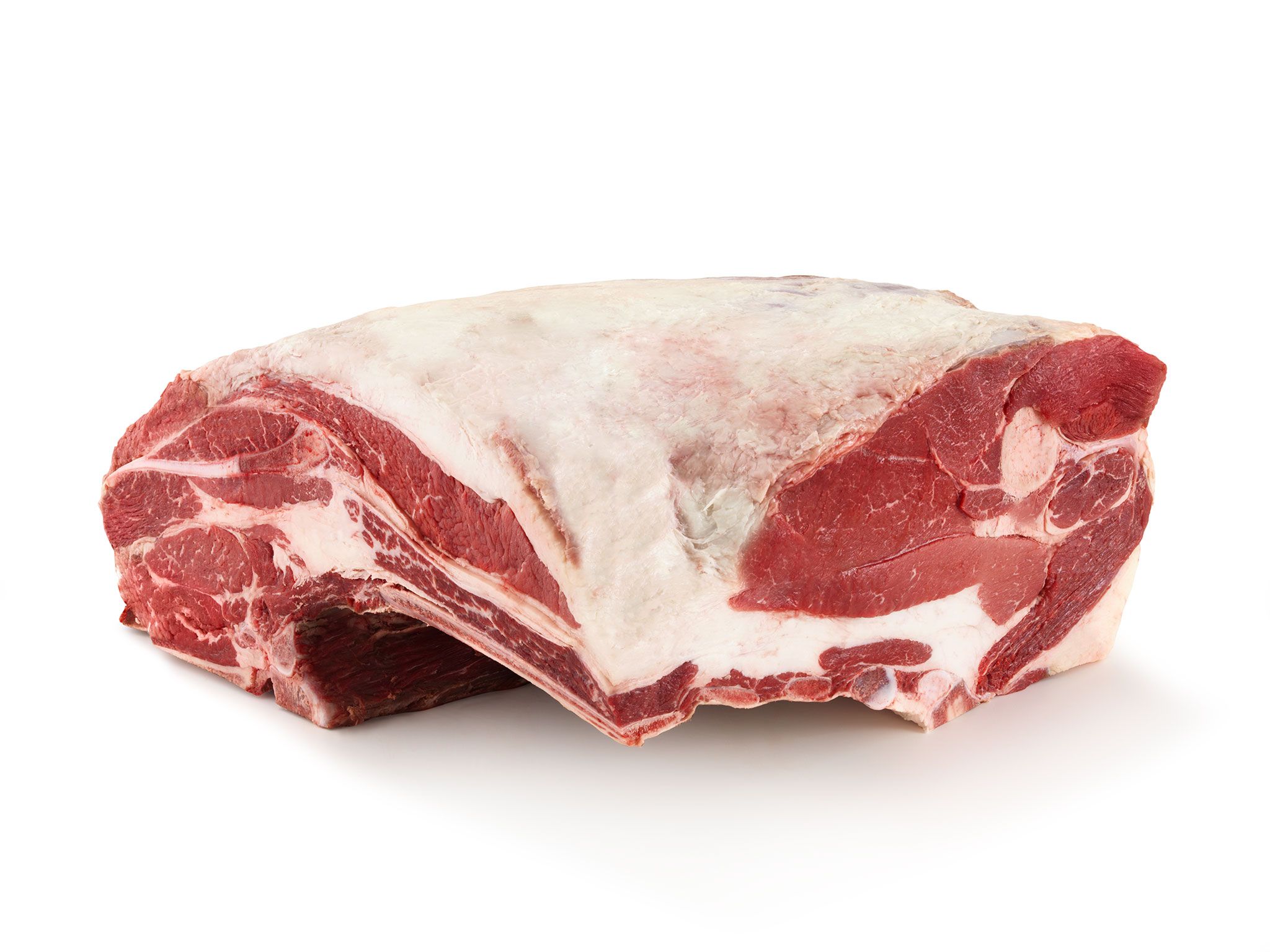
Chuck cut meat truly shines when matched with the right cooking technique. Because it contains more connective tissue than premium steak cuts, it benefits from cooking methods that allow time for breakdown and tenderization.
Braising is one of the most reliable approaches. This involves searing the meat first to develop a crust and then cooking it slowly in liquid at a low temperature. Over several hours, the fibers relax and soften, producing meat that practically falls apart. Pot roast is perhaps the most classic example of braised chuck done right.
Slow cooking in a crockpot is another excellent method. The gentle, consistent heat allows the meat to cook evenly without drying out. Adding aromatics like onions, garlic, and herbs enhances the already rich flavor profile.
If you are working with chuck steak or flat iron steak, grilling or pan-searing can work beautifully. However, these cuts should be cooked to medium-rare or medium to maintain tenderness. Overcooking them quickly can result in chewiness.
Chuck Cut Meat in Global Cuisine
Chuck cut meat is not limited to one style of cooking. Around the world, different cultures rely on this cut for hearty, comforting dishes. In many American households, chuck is synonymous with Sunday pot roast, served alongside potatoes and carrots.
In Mexican cuisine, chuck is often slow-cooked and shredded for tacos, burritos, and barbacoa-style dishes. The rich beef flavor pairs beautifully with spices and chili-based sauces. The long cooking time ensures that the meat absorbs every layer of seasoning.
European cuisines also embrace chuck. In French-style stews, beef from the shoulder is braised in wine with vegetables and herbs. The result is a dish that feels rustic yet refined. Asian cuisines frequently use chuck in noodle soups and stir-fries, especially when thinly sliced against the grain to improve tenderness.
Nutritional Value of Chuck Cut Meat
Chuck cut meat is not only flavorful but also nutritionally significant. It provides high-quality protein essential for muscle growth and repair. A standard serving offers a substantial amount of protein, making it a satisfying and sustaining choice.
It also contains important vitamins and minerals, including iron, zinc, and B vitamins. Iron supports oxygen transport in the body, while zinc plays a role in immune function. B vitamins help convert food into usable energy, contributing to overall vitality.
Because chuck contains a moderate amount of fat, portion control is important. However, that fat also contributes to satiety, meaning meals made with chuck often leave you feeling full and satisfied for longer periods. Choosing leaner trims or draining excess fat after cooking can help balance flavor and nutrition.
How to Select Quality Chuck Cut Meat
When shopping for chuck cut meat, look for bright red coloring and visible marbling. The fat should appear creamy white rather than yellowish. Marbling indicates flavor and moisture, so do not shy away from small streaks of fat throughout the muscle.
Texture is another indicator of freshness. The meat should feel firm to the touch and not overly wet or sticky. Packaging should be secure and free from excessive liquid. If buying from a butcher, do not hesitate to ask questions about the source and recommended uses.
Thickness and uniformity matter as well. For roasts, even thickness ensures consistent cooking. For steaks, look for pieces that are evenly cut to avoid overcooking thin sections while thicker parts remain underdone.
Common Mistakes When Cooking Chuck Cut Meat
One of the biggest mistakes people make is rushing the cooking process. Chuck requires patience. Attempting to cook it quickly at high heat without proper preparation often results in tough meat.
Another mistake is skipping the searing step. Browning the surface before slow cooking builds complex flavor through caramelization. This step adds depth that cannot be achieved by simply placing raw meat into liquid.
Failing to rest the meat after cooking is also problematic. Allowing chuck to rest for several minutes helps redistribute juices throughout the fibers, ensuring every bite is moist and flavorful.
Creative Recipes Using Chuck Cut Meat
Chuck cut meat is ideal for hearty stews filled with root vegetables and herbs. The long cooking time allows flavors to meld together beautifully.
It also works wonderfully in shredded beef sandwiches. After slow cooking, the meat can be pulled apart and mixed with a savory sauce, then piled high on toasted bread.
For something different, consider slicing chuck thinly for stir-fry. When cut against the grain and cooked quickly, it can be surprisingly tender and packed with flavor.
Why Chuck Cut Meat Is a Smart Budget Choice
One of the greatest advantages of chuck cut meat is its affordability. Compared to premium steaks like ribeye or tenderloin, chuck is typically priced lower while still delivering exceptional flavor.
Because it is versatile, you can stretch it across multiple meals. A large roast can provide dinner one night and leftovers for sandwiches or tacos the next.
For families and meal planners, chuck offers value without compromising quality. With proper cooking techniques, it rivals more expensive cuts in satisfaction and taste.
FAQs
What is chuck cut meat best used for?
Chuck cut meat is best used for slow-cooked dishes like pot roast, stews, and shredded beef.
Is chuck cut meat tender?
Chuck can become very tender when cooked slowly at low temperatures.
Can chuck cut meat be grilled?
Yes, certain cuts like flat iron or chuck steak can be grilled if not overcooked.
Is chuck good for burgers?
Yes, ground chuck is ideal for burgers due to its balanced fat content.
Why is chuck cut meat cheaper than other cuts?
It comes from a hardworking muscle area, making it slightly tougher but more affordable.