

Introduction to the Blue Eyed Plecostomus
The blue eyed plecostomus is one of those fish that instantly captures attention. At first glance, it may look like a typical pleco with its armored body and sucker mouth, but the striking blue eyes set it apart in a way that feels almost unreal. Aquarists often describe their first encounter with this fish as surprising because blue is not a color commonly associated with freshwater fish eyes.
This species has gradually gained popularity among aquarium enthusiasts who want something rare yet practical. Unlike flashy fish that demand constant attention, the blue eyed plecostomus quietly contributes to the tank ecosystem by controlling algae and cleaning surfaces. It is both beautiful and useful, which is a combination every hobbyist appreciates.
What makes this fish especially interesting is that it appeals to beginners and experienced keepers alike. Beginners admire its hardy nature, while seasoned aquarists value its uniqueness and calm temperament. When properly cared for, it becomes more than just a tank resident—it turns into a long-term companion that can live for many years.
Another reason people are drawn to the blue eyed plecostomus is its mysterious aura. Because it is less commonly discussed than other pleco varieties, there is always a sense of discovery when learning about it. From its natural habitat to its feeding habits, every detail adds to the intrigue surrounding this remarkable fish.
Origin and Natural Habitat
Understanding where the blue eyed plecostomus comes from helps aquarists recreate a comfortable environment at home. These fish are typically found in freshwater river systems, often in regions where the water flows steadily and contains plenty of submerged wood and rocks.
In the wild, they prefer areas with hiding spots. Driftwood, root systems, and shaded riverbanks provide safety from predators while also offering surfaces rich in algae and microorganisms. These natural feeding grounds allow the fish to graze throughout the day without needing to compete aggressively with other species.
Water quality in their native habitat tends to be stable. Temperatures are usually warm, and the water is moderately soft to neutral. Seasonal changes may affect water levels, but the fish have adapted to handle these shifts, which explains their resilience in home aquariums.
Another interesting aspect of their habitat is oxygenation. Flowing rivers carry more oxygen than stagnant water, so the blue eyed plecostomus thrives in environments where filtration and movement are present. Replicating this with a good filter or powerhead can significantly improve their health in captivity.
The natural surroundings also influence their behavior. Because they evolved in places full of hiding structures, they tend to seek shelter during the day and become more active at night. This nocturnal tendency surprises many new owners who expect constant movement but later learn to appreciate their subtle routines.
Physical Characteristics and Appearance
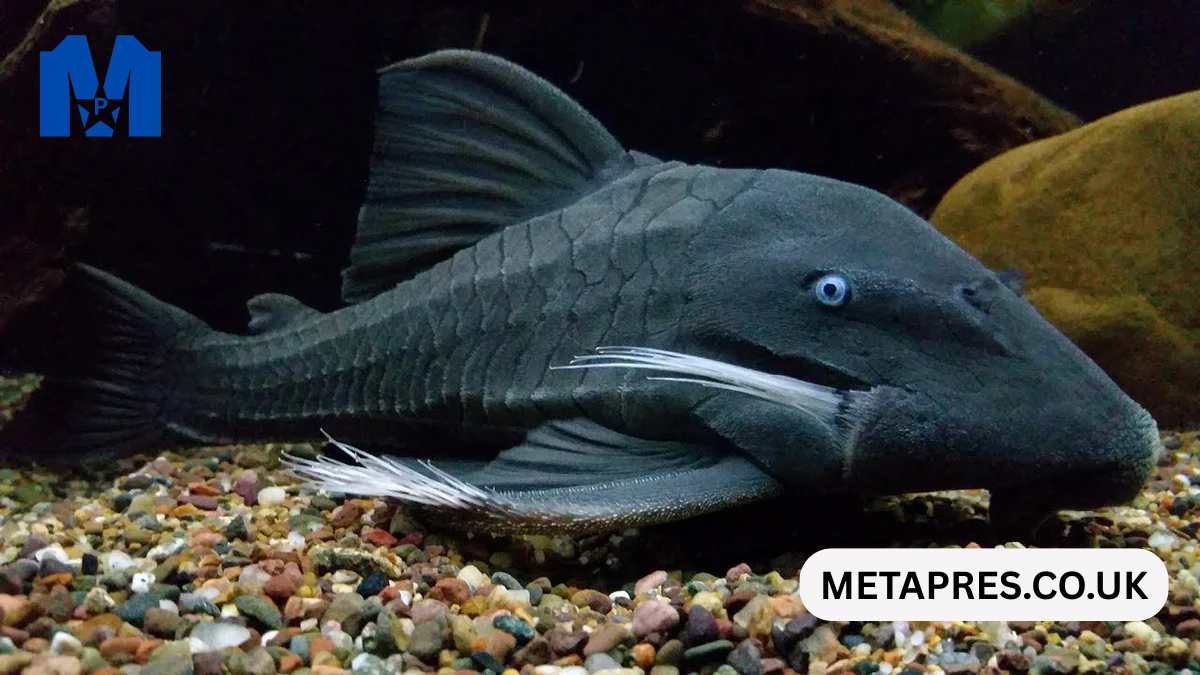
The most obvious feature of the blue eyed plecostomus is, of course, its eye color. Those cool-toned eyes create a dramatic contrast against the darker body, giving the fish an almost mythical look. Under aquarium lighting, the eyes may appear to glow slightly, especially when the fish moves out of shadow.
Their bodies are covered in protective plates rather than traditional scales. This armor-like structure helps shield them from potential threats in the wild and reduces the risk of injury in community tanks. It also contributes to their prehistoric appearance, making them look like creatures from another era.
Coloration varies depending on the specific type and environment, but most display shades of brown, gray, or charcoal with subtle patterns. These tones provide excellent camouflage against driftwood and rocks. While they may not be as colorful as tropical fish, their understated beauty grows on you over time.
The sucker mouth is another defining trait. Designed for clinging to surfaces, it allows the fish to remain steady even in strong currents. Watching a pleco attach itself to glass or wood can be oddly satisfying, especially when you notice the rhythmic motion as it grazes.
Size is something potential owners must consider carefully. While juveniles are small and manageable, many plecos grow quite large. A blue eyed plecostomus can eventually require a spacious tank, so planning ahead is essential to avoid overcrowding later.
Their fins are typically broad and sturdy, helping with slow but deliberate movement. Instead of darting across the tank, they glide calmly, which contributes to the peaceful atmosphere many aquarists aim to create.
Behavior and Personality

At first, the blue eyed plecostomus may seem shy. New arrivals often spend several days hiding while they adjust to their surroundings. This is completely normal and should not be mistaken for illness or stress unless accompanied by other warning signs.
Once settled, their personality begins to emerge. They are generally peaceful and coexist well with many community fish. Aggression is rare unless space is limited or another bottom-dweller invades their territory.
These fish are primarily nocturnal, meaning they become more active when the lights dim. Nighttime is when they explore, forage, and patrol the tank. Aquarists who observe their tanks after dark often discover a completely different side to their pleco.
Despite their calm demeanor, they are surprisingly industrious. You might wake up to find that algae patches have mysteriously disappeared overnight. This work ethic makes them valuable additions to tanks prone to algae growth.
Another charming behavior is their attachment to favorite spots. Many plecos choose a particular cave or piece of wood and return to it repeatedly. Over time, you can almost predict where yours will be resting during the day.
They are not overly social with humans, but they do become accustomed to routine. Feeding at consistent times encourages them to appear more frequently, and some owners even report their pleco emerging when they approach the tank.
Tank Setup and Requirements
Creating the right environment for a blue eyed plecostomus is not complicated, but it does require thoughtful planning. The first rule is space. Even if your fish is currently small, choose a tank that accommodates future growth.
A minimum of 30 to 50 gallons is often recommended for younger fish, while adults may require significantly more room. Larger tanks promote better water stability and reduce stress, which directly impacts longevity.
Filtration is another priority. Because plecos produce a fair amount of waste, a strong filter helps maintain clean water. Pairing mechanical filtration with biological support ensures toxins remain under control.
Substrate choice matters more than many realize. Smooth gravel or sand is ideal because it protects the fish’s underside as it moves along the bottom. Sharp materials should be avoided to prevent injury.
Driftwood is practically a must-have. Not only does it replicate their natural habitat, but many plecos also rasp on wood as part of their dietary behavior. It aids digestion and provides enrichment.
Lighting should be moderate rather than intense. Since these fish prefer dimmer conditions, overly bright tanks may cause them to hide constantly. Adding floating plants can help diffuse strong light.
Water parameters should remain stable. Temperatures between 72°F and 82°F generally suit them well, while a neutral pH keeps them comfortable. Sudden changes are far more harmful than slightly imperfect conditions.
Finally, don’t underestimate the value of hiding places. Caves, rock formations, and hollow logs all contribute to a sense of security. A relaxed fish is a healthy fish, and proper shelter plays a huge role in that equation.
Feeding and Nutritional Needs
Many people assume plecos survive solely on algae, but this is one of the biggest misconceptions in fishkeeping. While the blue eyed plecostomus does enjoy algae, it requires a balanced diet to truly thrive.
High-quality sinking pellets should form the foundation of their meals. These are formulated to deliver essential nutrients that algae alone cannot provide. Look for options rich in plant matter but containing some protein as well.
Vegetables are an excellent supplement. Zucchini, cucumber, spinach, and peas are popular choices. Simply blanch them briefly to soften the texture, making them easier for the fish to consume.
Variety is key. Offering different foods prevents nutritional gaps and keeps feeding time interesting. Occasional protein sources, such as specialized wafers, can support growth without overwhelming their digestive system.
Feeding is best done in the evening when the fish becomes active. Dropping food in just before lights-out ensures they have a fair chance to eat without competition from faster swimmers.
Remove uneaten food after a day to maintain water quality. Overfeeding leads to ammonia spikes, which can quickly create health issues.
Observing your pleco during feeding can reveal a lot about its condition. A healthy fish will approach food with quiet determination, while a lack of appetite often signals that something in the environment needs attention.
Compatibility With Other Fish
The blue eyed plecostomus is typically a team player in community aquariums. Its peaceful nature allows it to coexist with many species, from small schooling fish to medium-sized companions.
However, compatibility is not just about temperament—it is also about space. Crowded tanks increase the likelihood of territorial disputes, particularly with other bottom-dwellers.
Avoid pairing them with highly aggressive fish that might nip fins or compete excessively for territory. Stress can weaken their immune system over time.
Interestingly, plecos often ignore fish that occupy higher levels of the tank. This natural separation reduces conflict and makes community planning easier.
If you want multiple plecos, ensure the tank is large enough and contains plenty of hiding spots. Visual barriers help prevent confrontations.
Slow introductions are always wise. Adding new fish gradually allows everyone to adjust without triggering defensive behavior.
Ultimately, thoughtful stocking leads to harmony. When each species has enough room and resources, the tank becomes a balanced ecosystem rather than a battleground.
Common Health Issues and Prevention
Like any aquarium fish, the blue eyed plecostomus is not immune to illness. The good news is that many health problems are preventable with proper care.
Poor water quality is the leading cause of disease. Elevated ammonia, nitrite, or nitrate levels place immense stress on the fish. Regular testing and water changes are your best defense.
Skin issues sometimes appear if the environment contains sharp decorations. Because plecos spend so much time against surfaces, injuries can happen quickly.
Another concern is malnutrition. Fish that rely only on algae often become lethargic and lose body mass. A varied diet keeps their immune system strong.
Watch for unusual behavior such as rapid breathing, refusal to eat, or extended inactivity. Early detection allows for faster intervention.
Quarantining new fish is a practice many experienced aquarists swear by. It prevents pathogens from entering the main tank.
Temperature stability also matters. Sudden drops can trigger stress responses that make the fish vulnerable to infection.
Preventive care may not sound exciting, but it is far easier than treating a sick fish. Consistency in maintenance pays off in the long run.
Breeding the Blue Eyed Plecostomus
Breeding plecos can be both challenging and rewarding. While not impossible, it usually requires patience and a carefully controlled environment.
In nature, these fish spawn in secluded areas such as caves or hollow logs. Replicating this setup increases your chances of success.
Water conditions often play a role in triggering breeding behavior. Slight seasonal simulations, like modest temperature shifts, sometimes encourage spawning.
Males typically guard the eggs once they are laid. This protective instinct is fascinating to observe and highlights the species’ complexity.
Fry care demands attention to detail. Young plecos need access to appropriate food sources and pristine water.
Not every aquarist aims to breed their fish, but understanding the process deepens appreciation for their natural instincts.
Even if breeding does not occur, providing a habitat that supports such behavior contributes to overall well-being.
Lifespan and Long-Term Care
Owning a blue eyed plecostomus is a long-term commitment. With proper care, many live well over a decade.
Longevity depends heavily on consistency. Stable water parameters, a nutritious diet, and adequate space form the foundation of a healthy life.
As they age, growth slows, but their presence becomes more pronounced. Many owners grow attached to their pleco because of the quiet companionship it offers.
Routine tank maintenance should never be neglected. Think of it as preventive medicine rather than a chore.
Upgrading the tank may become necessary as the fish matures. Planning ahead avoids stressful transitions later.
Observing subtle changes in behavior helps you respond to evolving needs. Experienced aquarists often say their fish “teach” them over time.
Long-term care is ultimately about respect—recognizing that this is a living creature relying on you for survival.
Why Aquarists Love the Blue Eyed Plecostomus
There is something undeniably special about keeping a fish that feels both rare and practical. The blue eyed plecostomus checks both boxes effortlessly.
Its unique appearance sparks conversation, while its algae-eating habits provide real benefits. Few fish manage to be both ornamental and functional.
Many hobbyists appreciate the calm energy it brings to a tank. Instead of constant motion, it offers a grounding presence.
Another reason for its popularity is adaptability. While it still needs proper care, it tolerates minor fluctuations better than delicate species.
Watching it grow over the years creates a sense of continuity in the aquarium. It becomes part of the tank’s story.
For those seeking a fish that combines mystery, resilience, and subtle beauty, the blue eyed plecostomus is an exceptional choice.
Expert Tips for Success
Start with the largest tank you can reasonably maintain. Extra space reduces stress and simplifies water management.
Invest in quality filtration rather than settling for the bare minimum. Clean water is the backbone of fish health.
Provide driftwood early so the fish can establish natural behaviors from the start.
Feed intentionally rather than generously. Controlled portions prevent water issues.
Observe more than you interfere. Many problems can be avoided simply by noticing changes early.
Keep a maintenance schedule. Consistency beats occasional deep cleaning every time.
Above all, enjoy the process. Fishkeeping is as much about patience as it is about knowledge.
Conclusion
The blue eyed plecostomus is far more than just an algae eater. It is a resilient, captivating species that rewards attentive care with years of quiet companionship. From its glowing eyes to its steady work ethic, it embodies the balance between beauty and practicality.
Whether you are building your first aquarium or refining a long-established one, this fish offers a unique blend of intrigue and reliability. By understanding its needs and respecting its natural instincts, you create an environment where it can truly flourish.
In the end, successful fishkeeping is not about perfection—it is about commitment. When you invest time and thought into your aquarium, the blue eyed plecostomus responds with longevity, health, and a presence that enriches the entire aquatic landscape.
FAQs
What makes the blue eyed plecostomus unique?
Its rare blue eyes combined with strong algae-cleaning abilities make it stand out among plecos.
How big does a blue eyed plecostomus get?
Many can grow quite large, often requiring spacious tanks as they mature.
Is the blue eyed plecostomus beginner-friendly?
Yes, its hardy nature makes it suitable for beginners who maintain stable water conditions.
What should I feed my blue eyed plecostomus?
Provide sinking pellets, algae wafers, and fresh vegetables for balanced nutrition.
Can it live in a community tank?
Absolutely, as long as tank mates are peaceful and there is enough space.
How long does a blue eyed plecostomus live?
With proper care, it can live for well over ten years.
Does it really eat algae?
Yes, but algae alone is not enough to meet its nutritional needs.
Does this fish need driftwood?
Driftwood is highly recommended because it supports digestion and natural behavior.
Why is my pleco hiding all day?
This species is naturally nocturnal and prefers resting in sheltered spots.
How often should I change the water?
Regular partial water changes, typically weekly or biweekly, help maintain ideal conditions.
Also read: Border Esk: Understanding the Meaning, Influence, and Modern Relevance of a Rising Concept