

What Is Emotional Responsiveness and Why It Matters
Emotional responsiveness is the ability to recognize, understand, and appropriately react to the emotions of others while also being aware of and regulating your own. It goes far beyond simply hearing someone’s words. It involves noticing tone, body language, subtle shifts in mood, and even unspoken feelings. When someone shares something vulnerable, emotionally responsive individuals do not dismiss, minimize, or ignore it. Instead, they acknowledge the emotional experience and respond in a way that communicates understanding and care.
At its core, emotional responsiveness is about connection. Human beings are wired for emotional bonding, and responsiveness is the glue that holds those bonds together. When someone feels emotionally seen and heard, trust deepens. When their emotions are brushed aside or misunderstood, distance grows. This dynamic plays out in romantic relationships, friendships, families, workplaces, and even casual social interactions. In every context, responsiveness determines whether people feel safe or guarded.
From a psychological perspective, emotional responsiveness is closely tied to emotional intelligence. However, while emotional intelligence is a broad concept that includes self-awareness, empathy, and regulation, responsiveness is the action component. It is empathy put into motion. You might understand how someone feels, but if you do not show that understanding through words, tone, or behavior, the connection remains incomplete. Responsiveness bridges the gap between internal awareness and external behavior.
In modern life, where distractions are constant and communication is often digital, emotional responsiveness is more valuable than ever. Text messages, emails, and social media posts can easily strip away emotional nuance. Misinterpretations happen quickly. The individuals who intentionally pause, clarify, and respond with care stand out. They become trusted partners, respected leaders, and supportive friends because people feel emotionally safe around them.
Ultimately, emotional responsiveness is not about being overly sensitive or dramatic. It is about being attuned. It is about recognizing that emotions carry meaning. When someone expresses frustration, sadness, excitement, or fear, they are revealing something important about their inner world. Responding appropriately communicates, “Your feelings matter.” That simple message has profound psychological and relational power.
The Psychology Behind Emotional Responsiveness
To understand emotional responsiveness deeply, we need to look at the psychology behind it. Humans develop emotional patterns early in life. Attachment theory suggests that our earliest relationships with caregivers shape how we expect others to respond to our emotions. When caregivers consistently respond with warmth and understanding, children develop secure attachment. They learn that emotions are safe and manageable. In contrast, inconsistent or dismissive responses can lead to anxiety or avoidance in future relationships.
The brain also plays a central role. The limbic system, particularly the amygdala, processes emotional stimuli. When someone shares something emotionally charged, your brain reacts before you consciously think. However, the prefrontal cortex, responsible for reasoning and regulation, helps determine your response. Emotional responsiveness requires coordination between emotional recognition and cognitive regulation. It means noticing the feeling without being overwhelmed by it.
Mirror neurons are another fascinating piece of the puzzle. These neurons activate both when we perform an action and when we observe someone else performing it. In emotional contexts, they allow us to “mirror” or internally simulate what another person is experiencing. This neurological mechanism supports empathy, which is a foundational component of emotional responsiveness. When someone cries and you feel a twinge of sadness, mirror neurons are at work.
However, emotional responsiveness is not automatic for everyone. Trauma, stress, cultural norms, and personal beliefs can influence how people respond emotionally. For example, individuals raised in environments where emotions were discouraged may struggle to validate others’ feelings. They may default to problem-solving or dismissal because that is what they experienced. Understanding these psychological influences helps explain why responsiveness varies from person to person.
Cognitive distortions can also interfere. If someone assumes that emotional expression is weakness, they may unconsciously minimize others’ emotions. If someone interprets vulnerability as manipulation, they may respond defensively. Emotional responsiveness requires challenging these distortions and adopting a mindset that views emotions as legitimate signals rather than inconveniences.
Importantly, emotional responsiveness is a skill that can be strengthened. Neuroplasticity allows the brain to form new patterns. Through intentional practice, individuals can learn to pause, listen, validate, and respond thoughtfully. Over time, these behaviors become more natural. The psychological foundation remains the same, but conscious effort transforms how it is expressed.
Emotional Responsiveness in Romantic Relationships
In romantic relationships, emotional responsiveness is often the difference between intimacy and emotional distance. Partners who consistently respond to each other’s emotions create a secure relational environment. When one partner shares stress about work, the other listens attentively, offers empathy, and perhaps gentle reassurance. The message conveyed is clear: “I am here with you.”
Research in relationship psychology consistently shows that emotional attunement predicts long-term satisfaction. It is not grand romantic gestures that sustain partnerships over decades. It is the everyday moments of responsiveness. When someone reaches for connection and the other responds warmly, trust grows. When bids for connection are ignored or dismissed, resentment slowly builds.
Consider a simple example. One partner says, “I had a really tough day.” An emotionally unresponsive reply might be, “Everyone has tough days.” That response minimizes the emotional experience. A responsive reply might be, “That sounds exhausting. Do you want to talk about it?” The difference is subtle but powerful. One shuts down emotional expression. The other invites it.
Emotional responsiveness also plays a crucial role during conflict. Arguments are inevitable in close relationships. The key is not avoiding conflict but navigating it with emotional awareness. When partners validate each other’s feelings, even in disagreement, escalation decreases. Saying, “I understand that you felt hurt when I forgot” does not mean admitting total fault. It means acknowledging the emotional impact.
Physical responsiveness matters as well. A comforting touch, eye contact, or a calm tone of voice communicates emotional presence. Humans interpret these nonverbal signals deeply. In moments of distress, a gentle hand on the shoulder can feel more supportive than a long explanation.
Over time, consistent responsiveness builds a sense of security known as emotional safety. Partners feel comfortable expressing vulnerability without fear of ridicule or dismissal. This safety encourages deeper conversations, mutual growth, and stronger bonds. Without it, relationships may become functional but emotionally hollow.
Ultimately, romantic love thrives on emotional responsiveness. Attraction may bring people together, but responsiveness keeps them connected. It transforms a partnership from a shared routine into a meaningful emotional alliance.
Emotional Responsiveness in Parenting and Child Development
Parenting offers one of the clearest examples of emotional responsiveness in action. Children rely entirely on caregivers to help regulate overwhelming emotions. When a child cries in frustration, the caregiver’s response shapes the child’s emotional development. A responsive parent might kneel down, acknowledge the frustration, and guide the child toward calm. An unresponsive reaction might involve scolding or ignoring the emotion.
Early emotional experiences create internal templates for future relationships. When parents consistently validate emotions, children learn that feelings are manageable. They develop emotional literacy, which includes recognizing, naming, and expressing emotions appropriately. This foundation supports healthier friendships, romantic relationships, and workplace interactions later in life.
Responsive parenting does not mean indulgence or lack of boundaries. It means separating behavior from emotion. A parent can say, “I understand you are angry, but hitting is not okay.” This approach validates the feeling while setting clear limits on actions. Children learn that emotions are acceptable but harmful behaviors are not.
Emotional responsiveness also strengthens attachment. Securely attached children tend to explore their environments confidently because they trust that support is available when needed. They are more resilient in the face of stress because they internalize a sense of safety. That security begins with consistent emotional attunement.
In adolescence, responsiveness becomes more complex. Teenagers seek independence yet still crave understanding. Parents who dismiss teenage emotions as dramatic risk pushing their children away. Those who remain present and curious maintain connection even during rebellion. Simple statements like, “I may not fully understand, but I want to” can preserve trust.
Long-term outcomes of emotionally responsive parenting are well documented. Adults who experienced consistent emotional validation as children often show higher self-esteem, better emotional regulation, and healthier relational patterns. The ripple effect extends across generations.
Parenting, therefore, is not just about providing food, shelter, and education. It is about emotional presence. The tone of voice used during correction, the patience shown during meltdowns, and the willingness to listen all shape a child’s internal emotional world. Emotional responsiveness becomes a legacy.
Emotional Responsiveness in the Workplace and Leadership
While emotional responsiveness is often discussed in personal contexts, it is equally critical in professional environments. Leaders who demonstrate emotional responsiveness create cultures of trust and collaboration. Employees who feel heard are more engaged, productive, and loyal.
In leadership, responsiveness does not mean overreacting to every emotional expression. It means acknowledging concerns and responding appropriately. When an employee shares anxiety about a deadline, a responsive leader might say, “Let’s look at your workload together and see how we can support you.” This response communicates partnership rather than pressure.
Emotional responsiveness also enhances conflict resolution in teams. Workplace disagreements are inevitable. Leaders who validate emotions while guiding discussions toward solutions reduce defensiveness. By recognizing frustration or disappointment, they prevent emotions from festering beneath the surface.
Moreover, emotionally responsive leaders model emotional intelligence. When they openly acknowledge their own mistakes or stress without blaming others, they create psychological safety. Employees feel more comfortable sharing ideas and feedback because they trust they will not be dismissed or punished.
In customer-facing roles, responsiveness directly impacts satisfaction. Clients remember how they felt during interactions. A representative who acknowledges frustration and expresses genuine understanding often resolves situations more effectively than one who rigidly follows scripts.
Workplaces are increasingly recognizing the importance of emotional culture. High-performing organizations understand that human beings do not leave emotions at the door. By encouraging empathy and responsiveness, they build stronger teams and reduce burnout.
In the long run, emotional responsiveness is not just a soft skill. It is a strategic advantage. Companies that cultivate it often outperform those that ignore it because human connection fuels innovation and collaboration.
Barriers to Emotional Responsiveness
Despite its importance, emotional responsiveness does not always come naturally. Several barriers can interfere with it. Stress is one of the most common obstacles. When individuals are overwhelmed, their capacity for empathy decreases. Survival instincts take priority over attunement.
Cultural norms can also influence responsiveness. In some cultures, emotional restraint is valued. While this does not eliminate empathy, it may change how emotions are expressed. Individuals may struggle to respond openly because they were taught to suppress visible reactions.
Personal trauma can create additional barriers. People who experienced emotional neglect or abuse may find vulnerability uncomfortable. When others express strong emotions, it may trigger discomfort or defensive reactions. Instead of responding with empathy, they might withdraw.
Another barrier is the impulse to fix rather than feel. Many individuals jump into problem-solving mode when confronted with someone else’s distress. While solutions are sometimes helpful, premature advice can invalidate emotional experiences. People often need understanding before strategy.
Technology has introduced new challenges as well. Digital communication lacks tone, facial expression, and physical cues. Without these signals, misunderstandings increase. Responding thoughtfully requires extra effort when messages are reduced to text on a screen.
Overcoming these barriers begins with awareness. Recognizing your default reactions allows you to choose different responses. Practicing mindfulness can increase emotional regulation. Learning active listening skills can enhance understanding. Emotional responsiveness is not about perfection. It is about consistent, intentional effort.
How to Strengthen Emotional Responsiveness
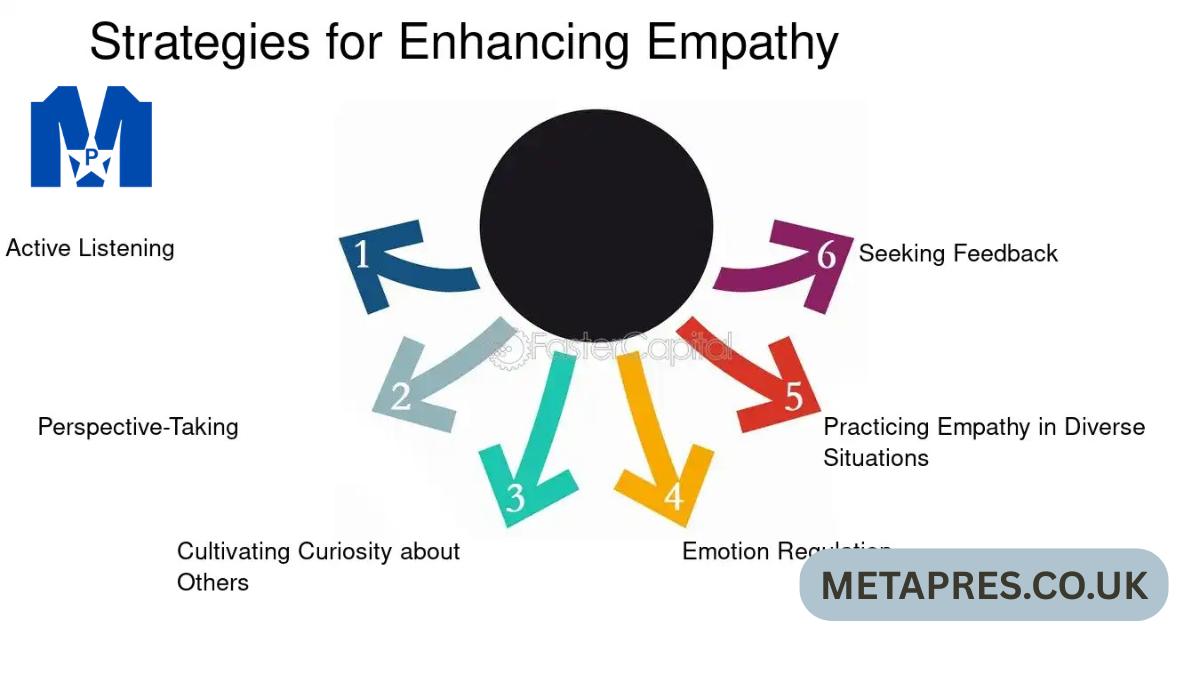
Improving emotional responsiveness is entirely possible with deliberate practice. The first step is developing emotional awareness. You cannot respond effectively to others if you are disconnected from your own emotions. Regular reflection, journaling, or mindfulness exercises can increase self-awareness.
Active listening is another critical skill. This means giving full attention, maintaining eye contact, and refraining from interrupting. It involves reflecting back what you hear, such as saying, “It sounds like you felt overlooked.” This simple technique demonstrates understanding.
Validation is equally important. Validating does not mean agreeing with every perspective. It means acknowledging the emotional experience. Statements like, “I can see why that upset you,” communicate empathy without necessarily endorsing behavior.
Regulating your own emotions is essential for responsiveness. If someone’s anger triggers your defensiveness, pause before responding. Take a breath. Emotional regulation allows you to choose thoughtful responses rather than reactive ones.
Asking open-ended questions can deepen understanding. Instead of assuming what someone feels, ask, “What was that like for you?” Curiosity strengthens connection. It shifts the focus from judgment to exploration.
Practicing responsiveness consistently builds new habits. Over time, empathy becomes more automatic. Small moments of attunement accumulate into stronger relationships. The effort may feel intentional at first, but eventually it becomes part of your relational identity.
Emotional Responsiveness and Mental Health
Emotional responsiveness has significant implications for mental health. Individuals who feel emotionally understood often experience lower levels of anxiety and depression. Social support acts as a buffer against stress, and responsiveness enhances that support.
In therapeutic settings, emotional responsiveness is central. Therapists create healing environments by listening without judgment and responding with empathy. This relational dynamic helps clients process emotions safely.
Conversely, chronic emotional invalidation can contribute to psychological distress. When individuals repeatedly feel dismissed or misunderstood, they may internalize shame. Over time, this can affect self-esteem and emotional regulation.
Healthy responsiveness encourages emotional expression rather than suppression. Suppressed emotions often resurface in unhealthy ways, including irritability, withdrawal, or physical symptoms. Responsive environments reduce the need for suppression.
Community responsiveness also matters. Societies that promote empathy and understanding tend to foster stronger social cohesion. Emotional well-being extends beyond individual relationships to collective culture.
Ultimately, emotional responsiveness is both protective and healing. It strengthens resilience and reduces isolation. In a world where mental health challenges are increasingly common, cultivating responsiveness is a powerful intervention.
The Long-Term Impact of Emotional Responsiveness
Over time, emotional responsiveness shapes identity and relational patterns. People who consistently practice it become known as safe and trustworthy. Their relationships tend to be deeper and more stable.
Children raised in responsive environments often carry those patterns into adulthood. They form healthier partnerships and friendships. The generational impact cannot be overstated.
In leadership and community roles, emotionally responsive individuals inspire loyalty and respect. Their influence extends beyond tasks to culture. They create spaces where people feel valued.
On a personal level, responsiveness fosters self-respect. When you respond thoughtfully to others, you align with values of compassion and integrity. This alignment strengthens your sense of purpose.
In the long run, emotional responsiveness is not merely a communication skill. It is a relational philosophy. It reflects a belief that emotions matter, that connection is essential, and that empathy is strength rather than weakness.
As individuals and societies continue evolving, emotional responsiveness will remain foundational. Technology may change how we communicate, but the human need for emotional validation remains constant. Those who cultivate responsiveness invest not only in better relationships but in a more compassionate world.
FAQs
What is emotional responsiveness in simple terms?
Emotional responsiveness is the ability to notice, understand, and appropriately respond to someone else’s feelings.
Why is emotional responsiveness important in relationships?
It builds trust, emotional safety, and deeper connection between partners.
Can emotional responsiveness be learned?
Yes, it can be developed through self-awareness, active listening, and intentional empathy.
Is emotional responsiveness the same as emotional intelligence?
No, it is a part of emotional intelligence focused specifically on how we respond to emotions.
How does emotional responsiveness affect children?
It supports secure attachment, emotional regulation, and healthy long-term development.
What are common barriers to emotional responsiveness?
Stress, trauma, cultural norms, and emotional defensiveness can limit responsiveness.
Does emotional responsiveness improve mental health?
Yes, feeling understood reduces stress and supports emotional well-being.
Can leaders benefit from emotional responsiveness?
Absolutely, responsive leaders create trust, engagement, and stronger team dynamics.
Also read: The Complete Expert Guide to the Epiphone Valve Jr: Tone, History, Mods, and Why It Still Matters