

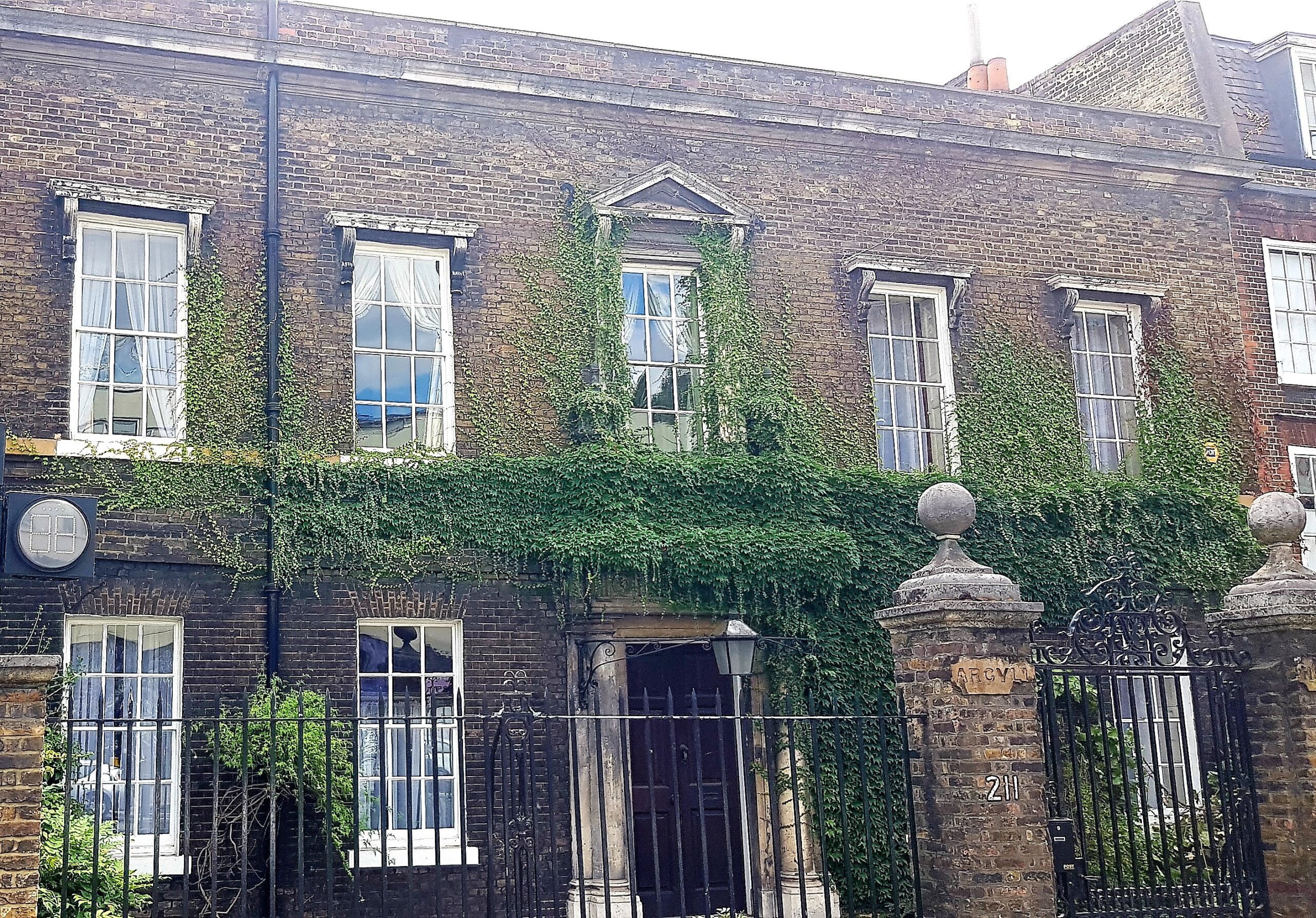
When you think of historically significant houses in London, places like Chequers, Apsley House, or Downing Street might come to mind. Yet tucked into the elegant stretch of the King’s Road in Chelsea sits a residence that has been central to architectural history, high society, and London’s cultural memory for centuries — Argyll House London. This remarkable structure has a story that intertwines the evolution of London’s urban development, aristocratic life, architectural glory, and legendary social gatherings.
Argyll House didn’t just appear overnight; it was the product of early 18th-century London ambition, changing tastes in architecture, and the growth of Chelsea as a desirable place to live. Its story begins in 1723 when a Venetian architect named Giacomo Leoni, known for introducing Palladian architecture to England, designed the residence. Leoni fused classical Italian design principles with the practical needs of an English urban home. The result was a house that was elegant yet formal — a quiet introduction of Palladian style into London’s domestic architecture.
The house was initially built for John Perrin, whose monogram still adorns the wrought-iron gate and rainwater heads. Perrin’s residency marked the beginning of Argyll House’s life as a private home. Though relatively modest compared to grand country estates, the residence showcased proportion, symmetry, and a harmony of materials, setting a precedent for urban Palladian architecture in London.
Argyll House and the Fourth Duke: Aristocracy Meets London
The house passed through several hands in the mid-18th century, but its most famous aristocratic tenant was John Campbell, the 4th Duke of Argyll. Though he lived there only briefly, his name became synonymous with the house, giving it the title Argyll House. The Dukes of Argyll were influential in Scottish and British political life, with connections to key historical events such as the Act of Union and the Jacobite Rising of 1715.
While the 4th Duke’s occupancy was short, it established the house as a desirable London residence for the elite. The residence was never intended as a seat of power like larger estates, but its elegance, central location, and architectural sophistication made it highly sought after by aristocrats who wanted a city home.
Over time, Argyll House became a symbol of refined urban living. Its association with the Duke and the aristocracy elevated its status and cemented its reputation as a prestigious address in Chelsea. The house effectively bridged the gap between country grandeur and city sophistication, making it a landmark of early Georgian London.
Architectural Style: The Palladian Heart of Argyll House
Argyll House is a quintessential example of Palladian architecture in London. Its design emphasizes symmetry, proportion, and classical detailing, creating a refined aesthetic that remains striking even today. The grey brickwork is accented by stone ornaments and elegant window surrounds, while the Doric entrance with flanking columns establishes a dignified focal point.
The windows are arranged symmetrically, balancing the façade, and the stone cornice and parapet add a sense of permanence. Even the wrought-iron gate, with the initials of the original owner, reflects careful attention to aesthetic detail. Inside, the wood-panelled ground floor, Georgian staircase, and classical chimneypieces reflect an equal commitment to interior proportion and beauty.
The Palladian principles embodied in Argyll House were inspired by Andrea Palladio’s work in Italy, emphasizing harmony, balance, and restrained elegance. The house is a rare urban example of how these classical ideas were adapted for London living, bridging Italian grandeur with English domestic needs. Its architecture continues to be celebrated for its historical significance and refined beauty.
A Hub of London Society: Lady Sybil Colefax and the Golden Age
Argyll House entered its most famous social chapter in the early 20th century under Lady Sybil Colefax, a celebrated socialite and interior decorator. She and her husband owned the house during the 1920s and 1930s, transforming it into a center of cultural and artistic life in London. Under her stewardship, Argyll House became a salon where artists, writers, and influential figures mingled.
Dinner parties at the residence were legendary, attracting figures such as Fred Astaire, George Gershwin, Virginia Woolf, Noël Coward, and even Winston Churchill. The house became synonymous with elegance, intellectual conversation, and creative energy. It was not merely a home; it was a space where London’s cultural life flourished.
One of the most intriguing historical associations from this period is the rumored meeting between Wallis Simpson and the Prince of Wales. This event, linked to the house, added a layer of intrigue and romance to its history. Through Lady Colefax, Argyll House became a living repository of social and cultural heritage, demonstrating the continuing relevance of such residences in modern life.
World War II and After: Changing Hands and Legacy
Following the death of Sir Arthur Colefax and Lady Colefax’s departure, Argyll House continued to host significant figures, adapting to the changing social landscape of post-war London. From 1949 to 1959, the house was home to Maria Harrison, who brought a bohemian flair to its halls. Filmmakers, writers, and artists frequented the residence, keeping it culturally vibrant despite the aftermath of war.
The Harrisons entertained influential figures like Carol Reed and Peter Ustinov, ensuring that Argyll House remained a nexus of creative and social exchange. Its history of hosting prominent cultural figures reinforced its reputation as a place of refinement and intellectual engagement.
Eventually, in 1959, the house was sold to the family of the Marquis of Normanby. While private, the residence continued to be meticulously maintained, preserving both its architectural integrity and social legacy. Its continuity as a private home underscores the ongoing significance of Argyll House as a living historical monument in Chelsea.
Cultural and Architectural Significance Today
Today, Argyll House stands as one of Chelsea’s most striking historic buildings. Its Palladian design is rare in urban London, and its preservation provides a window into the architectural tastes and urban lifestyle of 18th-century London. The house remains a benchmark for classical proportions and refined detailing.
The building retains much of its original character, from stone detailing to internal mouldings, staircases, and room layouts. Its Grade II* listing reflects both its architectural importance and its role in London’s social history. As a result, it continues to inspire architects, historians, and enthusiasts who study the evolution of London’s domestic architecture.
Argyll House exemplifies how historical residences can act as bridges across time, connecting past social practices, artistic movements, and urban growth with present-day London life. Its elegance and historical richness make it a vital part of the city’s heritage.
Argyll House in London’s Urban Fabric
The residence’s location at the corner of King’s Road and Oakley Street places it at the heart of Chelsea’s historical and cultural evolution. King’s Road itself has witnessed transformations from aristocratic avenues to bohemian hubs and high-fashion streets. Argyll House stands as a silent witness to these changes.
It is more than just a building; it is a marker of London’s urban growth. The house exemplifies how architecture can remain relevant, adapting to social changes while preserving historical identity. Its presence enriches the streetscape, providing a tangible connection to Chelsea’s layered past.
Walking past Argyll House today, one can imagine the figures who moved through its doors — from early Georgian residents to aristocrats and socialites. It embodies the evolution of London society over nearly three centuries.
Preserving a London Treasure: Restoration and Future
Efforts to preserve Argyll House focus on maintaining its structural integrity and historical character. Careful restoration ensures that the Palladian design, decorative details, and internal proportions remain intact for future generations. Although it remains a private residence, the house contributes to a wider understanding of London’s architectural heritage.
Preservation is not just about aesthetics. It protects the stories, cultural connections, and intangible heritage embedded in the house. Maintaining such properties ensures that London’s history remains visible and accessible through the built environment, fostering appreciation for architectural and social continuity.
Argyll House stands as a symbol of continuity amidst a changing cityscape — a reminder that historical buildings can coexist with modern life without losing their identity or cultural value.
Argyll House in Modern Memory and Popular Imagination
Today, Argyll House may be overlooked by casual passersby, yet its significance endures. It is a living link between the Georgian era and contemporary London, connecting architecture, aristocracy, and cultural history.
The house embodies centuries of refinement, creativity, and social engagement. Its history is a tapestry of lives that shaped London society — from early occupants like John Perrin to renowned figures such as Lady Sybil Colefax. Argyll House remains a testament to the enduring value of London’s historic homes as custodians of memory and culture.
Through its architecture and legacy, Argyll House continues to inspire admiration, study, and preservation, bridging the gap between history and modern urban life.
FAQs — Important Questions About Argyll House London
What is Argyll House London?
Argyll House London is a historic early 18th-century Palladian residence on King’s Road in Chelsea, renowned for its architecture and social history.
When was Argyll House built?
Argyll House was built in 1723 by the Venetian architect Giacomo Leoni.
Who lived in Argyll House?
Residents included John Perrin, the 4th Duke of Argyll, Lady Sybil Colefax, and Maria Harrison.
What architectural style is Argyll House?
It is primarily Palladian, blending classical proportions with English domestic design.
Why is Argyll House historically important?
It is significant for its architecture and its role in London’s social and cultural life over centuries.
Is Argyll House open to the public?
No, it is private property and generally not open to the public.
Where is Argyll House located?
It is located at the corner of King’s Road and Oakley Street, Chelsea, London.
Also read:Bun Pennies – A Complete Expert Guide