
Introduction to Choristers House
A Choristers House is more than just a place to live; it is a unique environment that blends music, tradition, discipline, and education into one meaningful experience. Typically connected with cathedrals, churches, or prestigious choir schools, a Choristers House serves as the residence for young singers known as choristers. These individuals are trained in the art of choral music, often performing regularly as part of religious or ceremonial services. The concept has deep roots in European history, especially in the United Kingdom, where cathedral choirs have been a central part of cultural identity for centuries.
The term itself evokes a sense of heritage and structure. It suggests a home where music is not just a hobby but a daily practice and a way of life. Inside these houses, young singers develop their skills while also following academic studies. The balance between education and musical excellence creates a disciplined yet enriching environment. Over time, Choristers Houses have evolved to meet modern standards while still preserving their traditional essence.
Understanding the role of a Choristers House requires looking at its purpose beyond accommodation. It acts as a training ground, a community, and a nurturing space where talent is shaped. For many choristers, living in such a house becomes a life-changing experience, helping them grow both personally and artistically. This article explores every aspect of Choristers Houses, from their historical roots to their modern-day relevance.
The Historical Origins of Choristers Houses

The origins of Choristers Houses can be traced back to medieval Europe, where cathedral music played a crucial role in religious life. During this time, churches required trained singers to perform daily services, which led to the establishment of choir schools. These institutions needed a place for young singers to live, especially those who came from distant regions, and thus the concept of Choristers Houses emerged.
In early history, these houses were often simple accommodations provided by the church. However, they were carefully managed environments where discipline was strictly maintained. Choristers were expected to follow rigorous routines that included early morning rehearsals, participation in services, and academic studies. The houses were typically overseen by clergy or appointed guardians who ensured that the boys maintained both moral and musical standards.
As time progressed, Choristers Houses became more structured and organized. By the Renaissance period, many cathedrals had established formal choir schools with dedicated residences. These houses reflected the importance of music in religious ceremonies and the need for consistent, high-quality performances. The tradition continued into the modern era, with many historic Choristers Houses still in use today, serving as a link between past and present.
Architectural Design and Layout
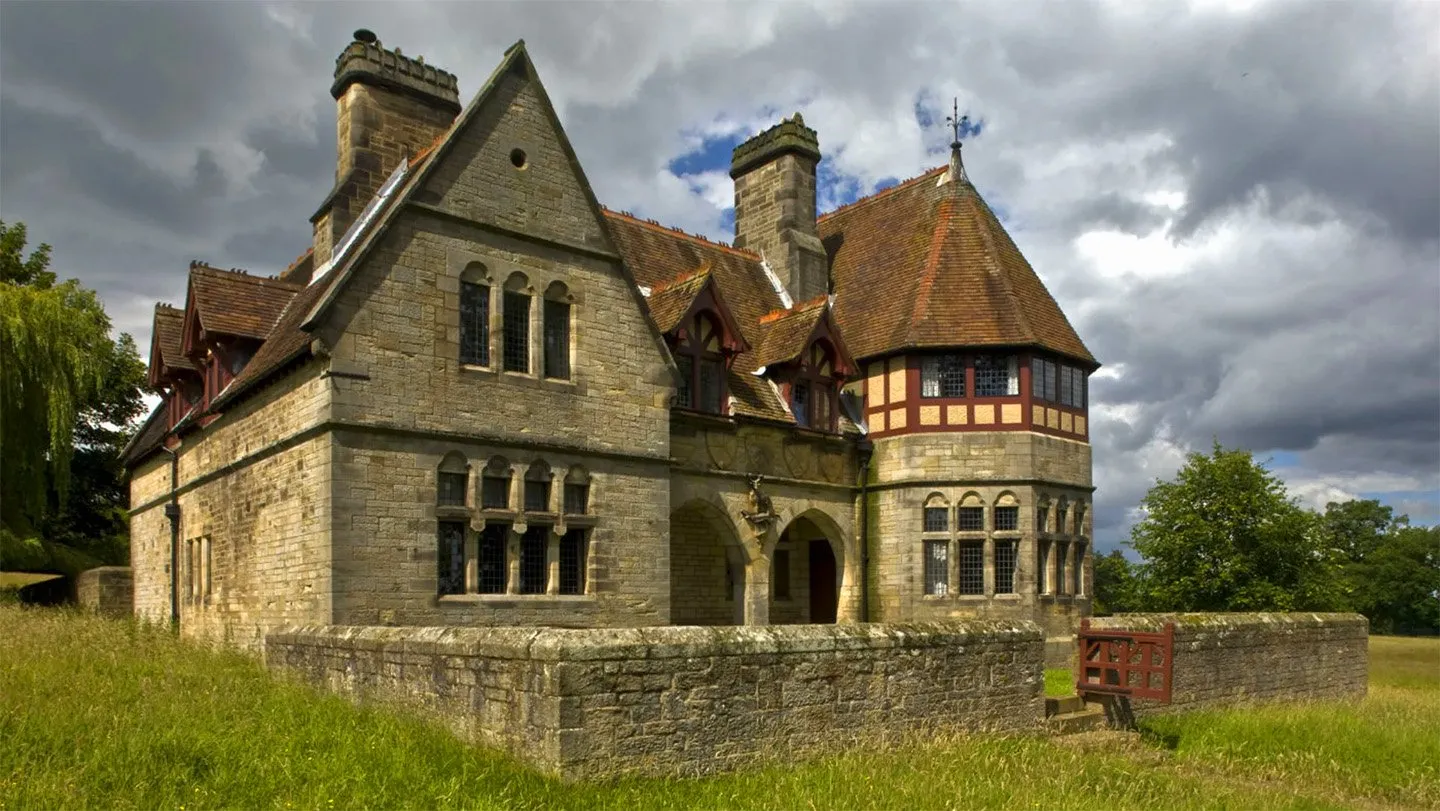
The architecture of a Choristers House often reflects its historical and cultural significance. Many of these buildings are located close to cathedrals or churches, making it easy for choristers to attend rehearsals and services. The design usually combines practicality with a sense of tradition, creating an environment that supports both living and learning.
Inside a typical Choristers House, you will find dormitories, study rooms, dining areas, and common spaces. The dormitories are designed to provide comfort while encouraging discipline and routine. Study areas are essential, as choristers must balance their musical commitments with academic education. Common rooms allow for relaxation and social interaction, helping to build a sense of community among residents.
Older Choristers Houses often feature traditional architectural elements such as stone walls, wooden beams, and historic decor. In contrast, modern houses may include updated facilities like technology-enabled study rooms and improved living conditions. Despite these changes, the core purpose of the design remains the same: to create a supportive and structured environment for young musicians.
Daily Life in a Choristers House
Life in a Choristers House is structured and disciplined, yet it is also filled with opportunities for growth and enjoyment. A typical day begins early, often with morning rehearsals before school. Choristers must maintain a strict schedule that includes academic classes, music practice, and participation in church services.
The routine may seem demanding, but it is carefully designed to help choristers develop time management skills and a strong work ethic. Meals are usually taken together, fostering a sense of community and shared experience. Evenings may include additional rehearsals or study time, followed by some leisure activities before bedtime.
Despite the busy schedule, life in a Choristers House is not without fun. Choristers often form close friendships and enjoy various recreational activities. These experiences help balance the demands of their responsibilities, creating a well-rounded lifestyle. The environment encourages both personal and social development, making it a unique and enriching experience.
Education and Musical Training
Education is a key component of life in a Choristers House. Choristers typically attend a choir school or a nearby educational institution where they receive formal academic instruction. Subjects include mathematics, science, languages, and humanities, ensuring a comprehensive education.
Alongside academics, musical training is given equal importance. Choristers receive professional instruction in singing, music theory, and sometimes instrumental performance. They learn to read music, understand harmonies, and develop vocal techniques that enhance their performance abilities. Regular rehearsals and performances help them apply these skills in real-world settings.
The combination of academic and musical education prepares choristers for a wide range of future opportunities. Some may pursue careers in music, while others may choose entirely different paths. Regardless of their future choices, the skills and discipline gained in a Choristers House remain valuable throughout their lives.
Role in Religious and Cultural Traditions
Choristers Houses play a vital role in maintaining religious and cultural traditions. The choristers who live in these houses are responsible for performing music during church services, including daily prayers, special ceremonies, and festivals. Their singing adds a spiritual and artistic dimension to these events.
The tradition of choral music in religious settings has been preserved for centuries, and Choristers Houses are central to this continuity. They ensure that each new generation of singers is trained to uphold the standards and traditions of their predecessors. This creates a sense of continuity and heritage that is deeply valued in many communities.
Beyond religious functions, choristers often participate in concerts, tours, and recordings. These activities allow them to share their music with a wider audience, promoting cultural appreciation and understanding. In this way, Choristers Houses contribute not only to religious life but also to the broader cultural landscape.
Personal Development and Discipline
Living in a Choristers House helps young individuals develop important life skills. The structured environment teaches discipline, responsibility, and commitment. Choristers learn to manage their time effectively, balancing academic work with musical practice and performances.
The experience also builds confidence and teamwork. Singing in a choir requires coordination and cooperation, as each member must contribute to the overall performance. Choristers learn to listen to others, follow instructions, and work together towards a common goal. These skills are valuable in many aspects of life.
Personal growth is another significant aspect. Being away from home, often at a young age, encourages independence and maturity. Choristers learn to take care of themselves, make decisions, and adapt to new situations. These experiences help shape their character and prepare them for future challenges.
Modern Adaptations and Changes
While Choristers Houses have a long history, they have also adapted to modern times. Today, many houses include both boys and girls, reflecting changes in society and greater inclusivity. Facilities have been upgraded to meet contemporary standards, ensuring comfort and safety for residents.
Technology has also been integrated into daily life. Choristers may use digital tools for learning music, completing academic assignments, and staying connected with family. These advancements make it easier to balance traditional practices with modern needs.
Despite these changes, the core values of Choristers Houses remain the same. They continue to focus on musical excellence, education, and personal development. The ability to adapt while preserving tradition is what keeps these institutions relevant in the modern world.
Challenges Faced by Choristers Houses
Like any institution, Choristers Houses face certain challenges. One of the main difficulties is maintaining a balance between tradition and modernization. While it is important to preserve historical practices, it is also necessary to adapt to changing societal expectations.
Another challenge is the demanding nature of the choristers’ schedule. Balancing academic work, musical training, and personal time can be stressful. It requires careful management and support from staff to ensure that choristers do not feel overwhelmed.
Funding and resources can also be a concern. Maintaining historic buildings and providing high-quality education and training requires significant investment. Many Choristers Houses rely on donations, scholarships, and support from their associated institutions to continue their work.
Global Influence and Recognition
Choristers Houses are not limited to one region; they have influenced musical and educational practices around the world. While they are most commonly associated with Europe, similar institutions can be found in other parts of the world, each adapting the concept to local traditions and cultures.
The reputation of Choristers Houses often extends beyond their immediate communities. Many cathedral choirs are internationally recognized for their excellence, attracting audiences from around the globe. Choristers may have opportunities to travel, perform in prestigious venues, and collaborate with renowned musicians.
This global influence highlights the importance of Choristers Houses in promoting music and culture. They serve as ambassadors of tradition and excellence, inspiring future generations to appreciate and pursue choral music.
The Future of Choristers Houses
The future of Choristers Houses looks promising, as they continue to evolve and adapt to modern needs. There is a growing emphasis on inclusivity, diversity, and accessibility, ensuring that more young people have the opportunity to experience this unique environment.
Advancements in technology and education are likely to play a significant role in shaping the future. Digital tools can enhance learning and make it easier to share music with a global audience. At the same time, the importance of preserving tradition remains a priority.
As long as there is a demand for high-quality choral music and a commitment to education, Choristers Houses will continue to thrive. They represent a unique blend of history, culture, and innovation, making them an enduring and valuable part of society.
Conclusion
Choristers Houses are remarkable institutions that combine tradition, education, and musical excellence in a unique way. They provide a structured and supportive environment where young singers can develop their talents and grow as individuals. From their historical origins to their modern adaptations, these houses have played a vital role in preserving and promoting choral music.
The experience of living in a Choristers House is both challenging and rewarding. It requires dedication and discipline, but it also offers opportunities for personal growth, cultural engagement, and lifelong friendships. For many choristers, it becomes a defining chapter in their lives.
As we look to the future, the continued success of Choristers Houses will depend on their ability to adapt while staying true to their core values. By balancing tradition with innovation, they can continue to inspire and nurture generations of young musicians.
FAQs
What is a Choristers House?
A Choristers House is a residence where young choir members live while receiving musical and academic training.
Who lives in a Choristers House?
Young singers, known as choristers, typically live there while they are part of a choir school or cathedral choir.
What do choristers do daily?
They attend school, practice music, and perform in regular church services and events.
Are Choristers Houses only for boys?
No, many modern Choristers Houses now include both boys and girls.
Do choristers only study music?
No, they receive a full academic education alongside their musical training.
Is living in a Choristers House difficult?
It can be challenging due to a strict schedule, but it is also highly rewarding.
Can choristers travel for performances?
Yes, many choristers participate in concerts and tours locally and internationally.
Are Choristers Houses still relevant today?
Yes, they continue to play an important role in music, education, and cultural traditions.
Also read:Buffalo Cheese UK: Everything You Need to Know About This Creamy Delight