
Introduction to the Ike Jacket
The Ike jacket is one of those rare pieces of clothing that effortlessly bridges the gap between functionality and fashion. Originally designed for military use, it quickly evolved into a cultural symbol that still resonates with designers, collectors, and style enthusiasts today. At first glance, the jacket’s clean lines and cropped silhouette might seem simple, but beneath that simplicity lies a fascinating story rooted in wartime innovation, practicality, and leadership.
Named after General Dwight D. Eisenhower, the Ike jacket became popular during World War II because it solved several problems soldiers faced with traditional military coats. Long, heavy jackets were uncomfortable in tight quarters and unsuitable for quick movement. Soldiers needed something lighter, shorter, and easier to maintain, especially when operating in unpredictable conditions. The Ike jacket answered that need with precision.
What makes the Ike jacket particularly interesting is how it transcended its original purpose. Unlike many military garments that remain confined to history museums, this jacket found a second life in civilian wardrobes. Over time, it influenced workwear, streetwear, and even high fashion. Today, whether you encounter an original vintage piece or a modern reinterpretation, the Ike jacket represents durability, discipline, and understated elegance.
Beyond its historical significance, the jacket also reflects a broader cultural shift. After the war, returning soldiers brought their style sensibilities home with them. The structured yet relaxed design of the Ike jacket resonated with a generation seeking practicality without sacrificing appearance. That balance remains relevant even in modern fashion, where consumers increasingly prioritize versatility.
Understanding the Ike jacket means exploring more than just fabric and stitching. It means examining wartime ingenuity, leadership influence, evolving fashion trends, and the enduring appeal of minimalist design. This article dives deep into every aspect of the Ike jacket — from its origins to its modern-day relevance — offering a complete guide for anyone curious about this iconic garment.
The Historical Origins of the Ike Jacket
The story of the Ike jacket begins in the turbulent years of World War II, a time when military efficiency was not just important but essential for survival. Soldiers needed uniforms that allowed them to move freely while still maintaining a professional appearance. Traditional service coats were long and often cumbersome, making them impractical for combat environments and everyday military duties.
General Dwight D. Eisenhower reportedly admired a shorter British battle dress jacket during his time in Europe. British troops wore waist-length jackets that were easier to maneuver in, especially when climbing in and out of vehicles or navigating tight spaces. Eisenhower recognized the advantages immediately and advocated for a similar design for American forces.
Initially, many American soldiers improvised by altering their standard-issue coats, cutting them shorter to mimic the British style. This grassroots adaptation demonstrated a clear demand for change. Eventually, the U.S. Army formalized the design, introducing what would become known as the “Ike jacket.” Officially adopted in the later years of the war, it quickly gained popularity among troops.
The jacket was not just about comfort — it also contributed to morale. Wearing a garment that looked sharp yet felt comfortable boosted confidence. In military culture, appearance often correlates with discipline, and the Ike jacket managed to support both without compromise.
Production ramped up as the war progressed, and the jacket became part of the standard uniform for many service members. Its wool construction provided warmth, while the shorter cut prevented bunching when seated. Multiple pockets allowed soldiers to carry essential items without needing extra gear.
Interestingly, the Ike jacket also marked a shift toward more modern uniform design. Instead of focusing purely on tradition, the military began prioritizing practicality. This philosophy influenced later uniform developments across armed forces worldwide.
By the time the war ended, the Ike jacket had secured its place in military history. But its journey was far from over. What began as a wartime necessity soon transformed into a symbol of professionalism and adaptability — qualities that would ensure its longevity well beyond the battlefield.
Design Features That Define the Ike Jacket
One of the reasons the Ike jacket has endured for decades is its thoughtfully engineered design. Every element serves a purpose, reflecting a careful balance between form and function. Unlike bulky outerwear, the jacket offers a structured look without restricting movement, making it surprisingly comfortable.
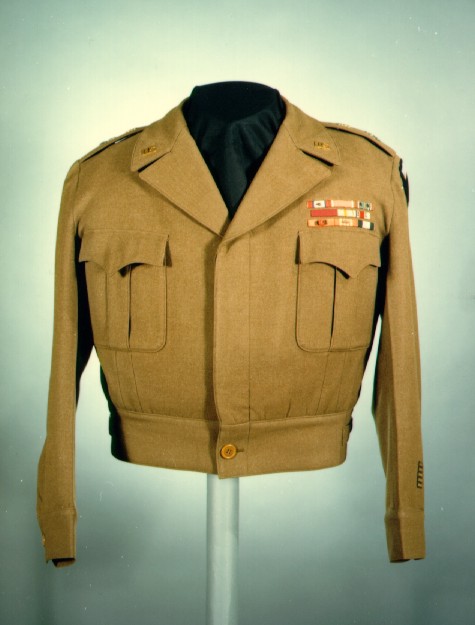
The cropped waist-length cut is perhaps its most recognizable feature. This shorter design allows the wearer to sit, bend, and walk freely without excess fabric getting in the way. It also creates a flattering silhouette, emphasizing the torso and providing a clean, tailored appearance.
Another defining characteristic is the adjustable waistband. Typically equipped with side tabs or buckles, this feature enables a customized fit. Soldiers appreciated this adaptability because it allowed them to layer clothing underneath without sacrificing comfort or neatness.
The front closure usually consists of sturdy buttons hidden beneath a flap, reinforcing the jacket’s minimalist aesthetic. This detail prevents snagging and protects the fasteners from harsh weather conditions. Meanwhile, the collar can be worn open or closed, offering flexibility depending on the environment.
Pockets play a crucial role as well. Most Ike jackets include slash pockets that are easy to access, along with interior compartments for documents or small personal items. These practical additions reduce the need for additional bags, which is especially valuable in demanding situations.
The fabric traditionally used was wool serge, chosen for its durability and insulation. Wool regulates temperature effectively, keeping soldiers warm without causing overheating. Modern versions sometimes use cotton blends or synthetic materials, but the original wool remains highly sought after by collectors.
Color also contributed to the jacket’s identity. Olive drab became synonymous with the garment, symbolizing readiness and resilience. Over time, variations appeared in darker greens, browns, and even navy tones, broadening its appeal.
Ultimately, the Ike jacket’s design demonstrates that simplicity often leads to longevity. By focusing on essential features rather than unnecessary embellishments, it achieved a timeless quality that continues to inspire designers today.
Why Soldiers Preferred the Ike Jacket
When evaluating military uniforms, practicality is everything. Soldiers operate in environments where discomfort can quickly become a liability. The Ike jacket earned widespread approval because it addressed many of the shortcomings of earlier uniforms.
Mobility was a major advantage. Traditional coats restricted movement, especially during tasks that required agility. The Ike jacket’s shorter length eliminated that problem, allowing troops to perform duties more efficiently. Whether climbing into vehicles or navigating uneven terrain, the jacket stayed out of the way.
Comfort was another key factor. Heavy garments can lead to fatigue, particularly during long missions. The Ike jacket struck a balance between warmth and breathability, ensuring soldiers remained comfortable across varying climates.
Appearance mattered too. Military culture emphasizes uniformity, and the Ike jacket delivered a polished look without demanding excessive maintenance. Soldiers could present themselves professionally with minimal effort, which contributed to unit cohesion.
The jacket also proved versatile. It could be worn during formal inspections, routine duties, or travel. This adaptability reduced the need for multiple uniform pieces, simplifying logistics for the military.
Durability cannot be overlooked. Wartime clothing must withstand rigorous conditions, from mud and rain to constant wear. The Ike jacket’s construction ensured it could endure these challenges without falling apart.
Psychologically, wearing a garment associated with leadership boosted morale. Knowing that their commanding general favored the design gave soldiers a sense of connection and pride.
Over time, the jacket became more than just clothing — it represented efficiency and modernization within the armed forces. Soldiers trusted it because it worked, plain and simple.
Transition from Military Uniform to Civilian Fashion
After World War II, millions of soldiers returned home carrying not just memories but also elements of their military identity. Clothing often plays a powerful role in that transition, and the Ike jacket was no exception.
Surplus stores began selling military garments to civilians at affordable prices. The Ike jacket quickly gained popularity among students, workers, and veterans who appreciated its practicality. Unlike flashy fashion trends, it offered understated style that felt authentic.
During the late 1940s and 1950s, the jacket blended seamlessly into everyday wardrobes. Men paired it with trousers for a semi-formal look or wore it casually with denim. Its structured silhouette aligned perfectly with the era’s preference for neat, tailored clothing.
Hollywood also contributed to its rise. Films depicting wartime heroism often featured actors in military attire, reinforcing the jacket’s association with courage and resilience. Audiences admired these qualities and wanted to emulate them.
As decades passed, the Ike jacket influenced emerging fashion movements. Designers borrowed its cropped cut for bomber jackets and other outerwear styles. Even when the original garment wasn’t directly replicated, its DNA remained visible.
By the 1970s, vintage military clothing had become collectible. Enthusiasts valued the craftsmanship and historical significance of original pieces. The Ike jacket stood out because it was both wearable and symbolic.
Today, fashion cycles continue to rediscover military aesthetics. Modern brands reinterpret the Ike jacket with updated fabrics and fits, proving that great design never truly disappears.
Its journey from battlefield to boulevard highlights an important truth: clothing that prioritizes function often achieves lasting style.
Materials and Craftsmanship
Quality materials are at the heart of any enduring garment, and the Ike jacket exemplifies this principle. During its original production, manufacturers prioritized resilience because soldiers depended on their uniforms in unpredictable conditions.
Wool serge was the fabric of choice for many early versions. Known for its tight weave, wool serge resists tearing while providing natural insulation. It also drapes well, giving the jacket its signature structured look.
Tailoring played an equally important role. Even though the jacket was mass-produced, attention to detail remained high. Reinforced seams prevented fraying, while carefully aligned panels ensured durability.
Buttons were typically made from strong materials designed to withstand repeated use. Unlike fragile fasteners, these buttons rarely failed, reinforcing the jacket’s reputation for reliability.
Lining added another layer of comfort. It reduced friction against the skin and helped regulate temperature. Soldiers could wear the jacket for extended periods without irritation.
Over time, manufacturers experimented with alternative materials. Cotton offered breathability in warmer climates, while synthetic blends improved water resistance. Yet many purists still prefer traditional wool for its authenticity.
Craftsmanship is particularly evident in vintage pieces that have survived decades with minimal damage. Their longevity speaks volumes about the production standards of the era.
Modern reproductions attempt to capture this same level of quality, though not all succeed. High-end brands often come closest, using premium fabrics and meticulous construction techniques.
Ultimately, the Ike jacket demonstrates that thoughtful craftsmanship creates garments capable of transcending generations.
Styling the Ike Jacket Today
In contemporary fashion, versatility is a prized attribute, and the Ike jacket delivers it effortlessly. Despite its military origins, it adapts surprisingly well to modern wardrobes.
For a casual look, pairing the jacket with dark jeans and a simple T-shirt creates an outfit that feels relaxed yet intentional. The cropped cut adds structure without appearing overly formal.
Those aiming for a smarter appearance can combine it with tailored trousers and leather shoes. This approach highlights the jacket’s refined lines, proving it can function as more than just outerwear.
Layering is another effective strategy. Wearing a lightweight sweater underneath adds dimension while maintaining comfort. During colder months, scarves and gloves complement the jacket without overwhelming it.
Color coordination matters too. Neutral tones like olive, navy, and charcoal integrate easily into most wardrobes. These shades enhance the jacket’s timeless appeal.
Women have also embraced the Ike jacket, often styling it with high-waisted pants or skirts. The result is a balanced silhouette that feels both classic and contemporary.
Accessories should remain minimal. Because the jacket already carries historical character, excessive embellishments can detract from its elegance.
Fashion ultimately thrives on reinterpretation, and the Ike jacket provides a perfect canvas. Whether worn vintage or newly manufactured, it allows individuals to express personal style while honoring a piece of history.
Collecting Vintage Ike Jackets
For collectors, the Ike jacket represents more than clothing — it is a tangible connection to the past. Each original piece carries stories embedded in its fabric, from wartime service to postwar life.
Authenticity is a primary concern when collecting. Genuine jackets often feature specific tags, stitching patterns, and materials consistent with mid-20th-century manufacturing. Learning to identify these markers helps avoid reproductions masquerading as originals.
Condition significantly influences value. Jackets with minimal wear, intact linings, and original buttons tend to command higher prices. However, some collectors appreciate signs of use, viewing them as evidence of the garment’s journey.
Provenance can elevate a jacket’s significance. If a piece can be traced back to a particular unit or individual, its historical importance increases dramatically.
Storage is another consideration. Wool garments require protection from moisture and pests. Proper care ensures the jacket remains preserved for future generations.
Military memorabilia shows and specialized vintage shops often provide the best opportunities to find authentic Ike jackets. Online marketplaces can also be fruitful, though they demand careful verification.
Collectors frequently describe a sense of stewardship. Owning such a garment means safeguarding a fragment of history rather than simply possessing an item.
As interest in heritage fashion grows, the Ike jacket continues to attract enthusiasts eager to preserve its legacy.
Cultural Impact and Symbolism
Clothing often serves as a mirror reflecting societal values, and the Ike jacket is no exception. Over the years, it has symbolized discipline, resilience, and quiet confidence.
In the immediate postwar era, wearing the jacket conveyed respect for service members. It reminded civilians of the sacrifices made during the conflict while celebrating the strength required to rebuild.
The jacket also became associated with leadership. Because it was linked to a prominent general, it carried connotations of strategic thinking and determination.
Artists and photographers occasionally incorporated military garments into their work, using them to explore themes of identity and transformation. The Ike jacket’s recognizable silhouette made it particularly effective in this context.
In fashion, it contributed to the normalization of utilitarian aesthetics. Designers realized that practicality could coexist with style, influencing decades of apparel innovation.
Even today, the jacket evokes a sense of heritage. Wearing one can feel like participating in an ongoing narrative that stretches back generations.
Symbolism evolves with time, but the core message remains consistent: strength often resides in simplicity.
Differences Between Original and Modern Versions
While modern Ike jackets pay homage to the original design, several distinctions set them apart. Understanding these differences helps buyers make informed choices.
Original jackets typically feature heavier wool, reflecting the manufacturing standards of the 1940s. Modern versions sometimes use lighter materials to accommodate contemporary preferences.
Fit is another notable variation. Vintage garments often have a boxier cut, whereas newer interpretations may be more tailored.
Construction methods have evolved as well. Advances in textile technology allow for improved weather resistance and reduced weight.
Color palettes have expanded dramatically. While traditional olive remains popular, modern designers experiment with shades ranging from black to beige.
Pricing can vary widely. Authentic vintage pieces may cost more due to their rarity, while reproductions offer accessibility.
Ultimately, choosing between original and modern comes down to priorities. Those seeking historical authenticity gravitate toward vintage, while others appreciate the comfort and convenience of updated designs.
Caring for an Ike Jacket
Proper care ensures the longevity of any garment, but it is especially important for something as historically significant as an Ike jacket.
Cleaning should be approached cautiously. Wool benefits from gentle handling, so professional dry cleaning is often the safest option.
When storing the jacket, breathable garment bags help prevent moisture buildup. Avoid plastic covers, which can trap humidity.
Hanging the jacket on a sturdy hanger preserves its shape. Folding may lead to creases that are difficult to remove.
Regular inspections help catch minor issues before they become serious problems. Loose threads or small tears should be addressed promptly.
For vintage pieces, conservation sometimes outweighs restoration. Over-repairing can diminish authenticity.
With mindful care, an Ike jacket can remain wearable for decades, continuing its remarkable journey through time.
The Future of the Ike Jacket
Fashion constantly evolves, yet certain garments resist obsolescence. The Ike jacket belongs firmly in that category.
As sustainability becomes a priority, consumers increasingly value durable clothing. The jacket’s longevity aligns perfectly with this mindset.
Designers continue to reinterpret military classics, ensuring their relevance for younger generations. Each new adaptation introduces the jacket to fresh audiences.
Technology may influence future versions, incorporating advanced fabrics that enhance comfort without sacrificing aesthetics.
At its core, the Ike jacket embodies adaptability — a trait that virtually guarantees its survival in the ever-changing world of fashion.
Rather than fading into obscurity, it stands poised to inspire decades of innovation.
Conclusion
The Ike jacket is far more than a relic of military history. It represents thoughtful design, cultural evolution, and enduring style. From the battlefields of World War II to contemporary city streets, it has demonstrated a rare ability to remain relevant across vastly different contexts.
Its success lies in its balance. Practical yet polished, simple yet distinctive, historical yet modern — the jacket occupies a unique space in the world of apparel.
For some, it is a collectible artifact. For others, it is a versatile wardrobe staple. Either way, its legacy continues to grow.
As fashion trends come and go, the Ike jacket reminds us that true style often emerges from necessity. When form follows function, the result can transcend time itself.
FAQs
What is an Ike jacket?
A waist-length military jacket created during World War II for better mobility and comfort.
Why is it called the Ike jacket?
It is named after General Dwight D. Eisenhower, who helped popularize the design.
Are Ike jackets still popular today?
Yes, they remain popular in both vintage fashion and modern military-inspired styles.
What material were original Ike jackets made from?
Most originals were made from durable wool serge.
Is the Ike jacket suitable for everyday wear?
Yes, its versatile design makes it ideal for both casual and smart outfits.
How can you identify a genuine vintage Ike jacket?
Look for period labels, heavy wool fabric, and traditional stitching details.
Can Ike jackets be worn by women?
Yes, the structured fit works well for all genders.
Are modern Ike jackets different from originals?
Modern versions often use lighter fabrics and more tailored fits.
How should you care for an Ike jacket?
Dry clean it and store it on a sturdy hanger in a breathable garment bag.
What makes the Ike jacket timeless?
Its functional design, clean silhouette, and strong historical roots keep it relevant.
Also read: Natrium Lamp: A Complete Expert Guide to Sodium Lighting Technology