
Introduction to Littlecote Hall
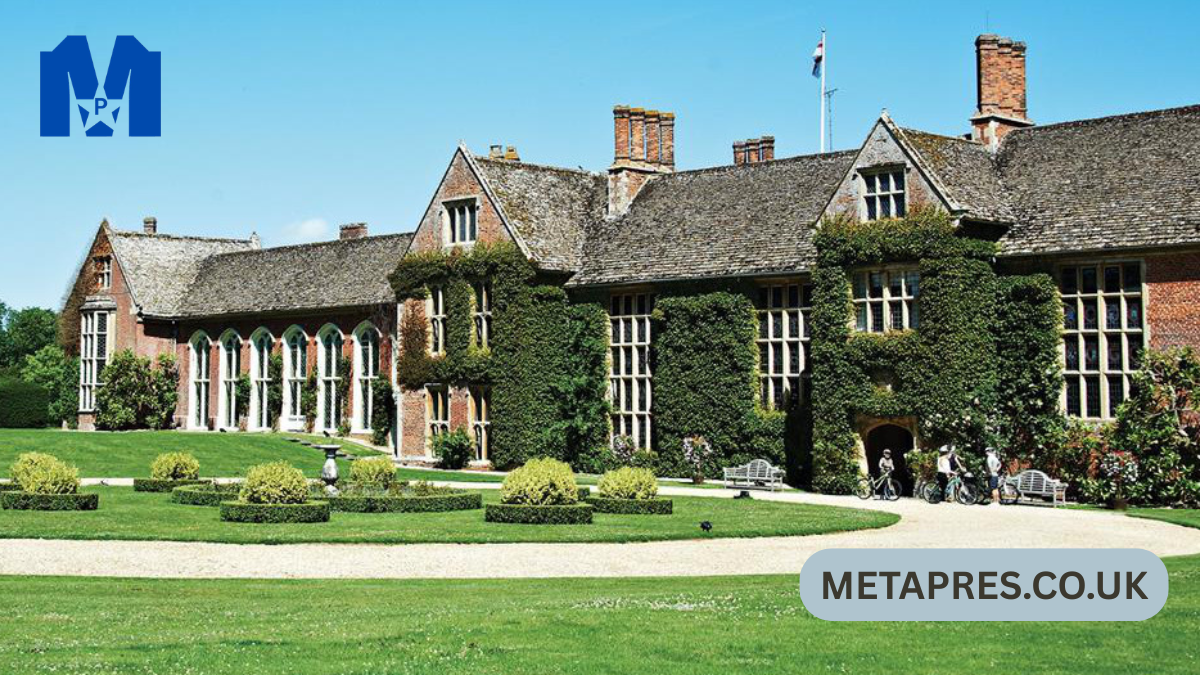
Littlecote Hall, officially known today as Littlecote House Hotel, stands as one of the most historically layered country estates in England. Located near Hungerford in Berkshire, this grand manor house is not simply an architectural landmark; it is a living narrative of English history stretching back centuries. From Tudor intrigue and Civil War alliances to Roman archaeological discoveries and modern hospitality, Littlecote Hall embodies a rare continuity of cultural memory.
The estate’s position near the River Kennet and surrounded by rolling countryside contributes to its timeless atmosphere. Visitors arriving at Littlecote often remark on the feeling that time moves differently there. The sweeping lawns, ancient trees, and stately façade create an experience that is both tranquil and grand. Yet beneath this serenity lies a dramatic past filled with political tension, family rivalries, and royal connections.
Today, Littlecote Hall operates as a luxury country house hotel, but it has never lost its historical character. Instead of stripping away its past to make room for modernity, the estate has embraced it. Each corridor, room, and landscaped garden corner whispers stories from different eras, making it a destination for history enthusiasts as much as leisure travelers.
The Early Origins of the Estate
The origins of Littlecote Hall stretch back to the medieval period, though the land itself was inhabited long before that. Archaeological findings indicate Roman occupation in the area, with one of Britain’s most significant Roman villas discovered within the estate grounds. This discovery reshaped historical understanding of the site and confirmed that Littlecote’s story began far earlier than previously believed.
During the medieval era, the property was part of a broader feudal system. Landholdings in Berkshire were often passed through noble families, and Littlecote was no exception. Over time, the estate evolved from a fortified medieval residence into a more refined manor house reflective of Tudor tastes and architectural ambitions.
By the 16th century, Littlecote had become associated with influential families whose political connections placed the estate at the center of national events. These families shaped both the structure and reputation of the house, leaving marks that remain visible in its architecture and documented history.
The Tudor Era and the Darrell Family
One of the most significant chapters in Littlecote Hall’s history involves the Darrell family, who owned the estate during the Tudor period. Their tenure brought prestige, controversy, and even scandal to the property. The Darrells were well connected, and their involvement in royal affairs elevated Littlecote’s status within the English aristocracy.
The most infamous story connected to the Darrell family concerns a dark legend involving alleged murder and secret burial. According to local lore, a member of the family was accused of killing a newborn child to avoid scandal. While historical records are debated, the tale became embedded in the estate’s folklore and contributed to its reputation as one of England’s most mysterious manor houses.
Despite the rumors, the Darrell family invested heavily in the estate. Architectural expansions during this time reflect the grandeur and ambition of Tudor England. Ornate fireplaces, grand halls, and decorative stonework still echo the aesthetic preferences of the period.
Royal Connections and Political Intrigue
Littlecote Hall’s history is intertwined with royal politics. The estate is believed to have hosted several prominent figures connected to the Tudor court. During periods of political tension, country houses like Littlecote served as both retreats and strategic meeting places.
One widely discussed historical association is with King Henry VIII’s era. Though direct evidence of his visit remains debated, the estate’s proximity to royal routes and its ownership by politically active families suggest that it was no stranger to high-level interactions. Such connections elevated Littlecote beyond a mere countryside manor into a site of national importance.
The English Civil War also left its imprint on the estate. Like many large properties, Littlecote faced uncertainty during this turbulent time. Ownership disputes, financial strain, and shifting allegiances affected its stability. Yet the manor endured, surviving conflict that destroyed many similar estates.
Architectural Evolution Through the Centuries
The architectural style of Littlecote Hall reflects centuries of adaptation. While its Tudor foundation remains prominent, subsequent generations introduced Georgian and Victorian influences. These additions did not erase earlier features but instead layered the building with diverse stylistic elements.
The exterior showcases traditional English manor characteristics: symmetrical windows, decorative stonework, and commanding entranceways. Inside, timber beams, carved fireplaces, and expansive halls demonstrate craftsmanship that defined early modern England. Later renovations incorporated comfort-oriented features without compromising historical integrity.
One of the most striking aspects of the estate is how seamlessly old and new coexist. Modern hotel amenities blend with centuries-old structures, creating a unique atmosphere where guests experience history without sacrificing comfort. This architectural harmony contributes significantly to Littlecote’s appeal.
The Discovery of the Roman Villa
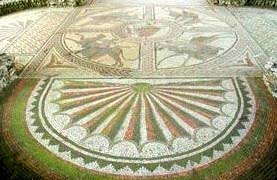
Perhaps the most remarkable archaeological find associated with Littlecote Hall is the Roman villa uncovered on its grounds. The villa, dating back to the 4th century AD, includes intricate mosaic floors that remain among the finest examples of Roman art in Britain.
The discovery was accidental, occurring during development in the 20th century. Excavations revealed a large villa complex complete with bathhouses and living quarters. The mosaic, depicting scenes believed to represent mythological or religious imagery, attracted immediate scholarly attention.
This discovery redefined the estate’s historical timeline. Rather than beginning in the medieval era, Littlecote’s story now extended into Roman Britain. The preserved site offers visitors a rare glimpse into ancient life, making the estate significant not only architecturally but archaeologically as well.
Legends and Ghost Stories
No English manor with centuries of history would be complete without tales of hauntings, and Littlecote Hall is no exception. Stories of mysterious sounds, shadowy figures, and unexplained events circulate among guests and staff.
The most enduring legend ties back to the Darrell family scandal. According to folklore, the spirit of the alleged murdered child wanders the halls. Whether one believes in ghosts or not, these stories add a layer of intrigue that captivates visitors.
Paranormal investigations have occasionally been conducted at the estate, further fueling public fascination. While no definitive evidence of supernatural activity has been confirmed, the atmosphere of the ancient building undeniably stimulates the imagination.
Transition to Modern Ownership
Over time, Littlecote Hall changed hands multiple times. Economic shifts, inheritance patterns, and the decline of aristocratic wealth in the 19th and 20th centuries altered its trajectory. Many country estates faced demolition or abandonment during this period, but Littlecote managed to survive.
In the 20th century, the property underwent significant restoration and transformation into a hospitality venue. This shift ensured financial sustainability while preserving historical features. Rather than fading into obscurity, Littlecote adapted to modern expectations.
Today, under professional management, the estate functions as a hotel while maintaining its historical authenticity. Careful conservation efforts continue to protect architectural and archaeological elements for future generations.
Littlecote Hall as a Luxury Hotel
As a hotel, Littlecote Hall offers guests a distinctive experience rooted in heritage. Rooms are designed to reflect historical charm while incorporating contemporary comfort. Guests often comment on the feeling of stepping into a different era without sacrificing modern conveniences.
The estate’s grounds provide opportunities for relaxation and recreation. Landscaped gardens, walking paths, and access to nearby countryside create a tranquil environment. This balance between leisure and history makes the hotel attractive to a diverse clientele.
Dining at Littlecote Hall often emphasizes locally sourced ingredients, reflecting the agricultural richness of Berkshire. The culinary experience complements the historical setting, reinforcing the estate’s commitment to quality and authenticity.
Cultural Significance in Berkshire
Littlecote Hall holds a special place in Berkshire’s cultural landscape. Its long-standing presence has made it a landmark for residents and tourists alike. The estate contributes to regional tourism and educational initiatives related to history and archaeology.
School groups and history enthusiasts frequently visit the Roman villa site. Educational tours highlight both Roman and Tudor aspects of the property, making it a multidisciplinary historical resource.
The estate also serves as a venue for cultural events, weddings, and gatherings. These activities ensure that Littlecote remains an active part of community life rather than a static monument.
Preservation and Conservation Efforts
Preserving a structure as old and complex as Littlecote Hall requires meticulous planning and expertise. Conservation specialists work to maintain stonework, roofing, and interior features without altering historical authenticity.
Archaeological preservation of the Roman villa is equally important. Protective coverings and controlled access ensure that the mosaics remain intact despite exposure to modern environmental conditions.
These efforts highlight a broader commitment to heritage preservation in England. Littlecote Hall serves as a case study in balancing commercial viability with cultural responsibility.
The Experience of Visiting Littlecote Hall
Visitors to Littlecote Hall often describe a sense of immersion. Walking through its corridors feels like traveling through centuries of English history. Each room tells a story, from Tudor intrigue to Roman artistry.
The surrounding countryside enhances the experience. Berkshire’s rolling landscapes frame the estate beautifully, providing scenic views in every season. Whether visiting in spring bloom or autumn foliage, guests find visual inspiration.
For many, the highlight is standing before the Roman mosaic, contemplating the continuity of human presence on that land. Few places offer such a direct connection to both ancient and early modern history in one location.
Littlecote Hall in Popular Culture
Over the years, Littlecote Hall has appeared in various publications and media features highlighting historic estates. Its dramatic past and picturesque setting make it an attractive subject for documentaries and travel writing.
Writers often focus on the Darrell legend, emphasizing the estate’s mysterious aura. Travel guides, meanwhile, highlight its transformation into a welcoming hotel. This dual identity contributes to its enduring popularity.
Its inclusion in heritage tours further cements its place in England’s collective historical imagination.
The Enduring Legacy of Littlecote Hall
Littlecote Hall’s greatest achievement may be its survival. Through political upheaval, family scandal, economic decline, and modernization, the estate has endured. Each era left marks that now form a cohesive narrative rather than fragmented history.
The combination of Tudor architecture, Roman archaeology, and contemporary hospitality makes Littlecote unique among English manor houses. It does not belong solely to one century; it belongs to many.
In studying Littlecote Hall, one gains insight not only into a single estate but into the broader story of England itself—its transformations, conflicts, and cultural continuity.
FAQs
Where is Littlecote Hall located?
Littlecote Hall is located near Hungerford in Berkshire, England.
Is there a Roman villa at Littlecote Hall?
Yes, the estate contains a significant 4th-century Roman villa with preserved mosaics.
Can visitors stay overnight at Littlecote Hall?
Yes, it operates as a luxury country house hotel open to guests.
Is Littlecote Hall considered haunted?
Local legends suggest hauntings, though no confirmed evidence exists.
What architectural style is Littlecote Hall?
The manor primarily reflects Tudor architecture with later additions from subsequent centuries.
Also read: Chuck Cut Meat: The Complete Expert Guide to Flavor, Value, and Versatility