

Introduction to British Trains
British trains have a long and storied history, dating back to the early 19th century when steam locomotives first roared across the countryside. Over the decades, these trains have evolved from the smoky, coal-driven engines of the Industrial Revolution into sleek, modern electric and high-speed trains that connect cities with remarkable efficiency. The UK’s railway network is one of the oldest in the world, and it has played a pivotal role in shaping the country’s economic and social development.
The diversity of British train types reflects both historical legacy and technological advancement. From heritage steam engines that continue to thrill enthusiasts to the cutting-edge high-speed trains that ferry passengers at over 125 mph, the spectrum is wide and fascinating. Understanding these different types helps in appreciating how British railways have maintained a balance between tradition, innovation, and practicality.
Moreover, trains in the UK are not just modes of transport; they are cultural icons. They feature in literature, film, and daily life, symbolizing mobility, progress, and even nostalgia. This guide will take you through the various types of British trains, their history, purpose, and significance in modern rail travel.
Steam Trains: The Pioneers of Rail Travel
Steam trains are the foundation of the British railway system. The first successful steam locomotive, George Stephenson’s “Rocket,” debuted in 1829, marking the beginning of a new era in transportation. Steam engines dominated British railways for over a century, powering both passenger and freight services. These locomotives worked by boiling water to produce steam, which then drove pistons to turn the wheels—a simple yet revolutionary technology for its time.
The charm of steam trains lies not just in their mechanical ingenuity but also in their aesthetic appeal. The whistling of the engine, the rhythmic clatter on tracks, and the clouds of steam evoke a sense of nostalgia. Many heritage railways in Britain, such as the North Yorkshire Moors Railway and the Severn Valley Railway, still operate steam trains today, allowing enthusiasts and tourists to experience a bygone era.
Steam trains were also instrumental in connecting remote areas of Britain. They enabled industrial goods, agricultural produce, and passengers to travel efficiently across vast distances. While they have been largely replaced by diesel and electric trains, the legacy of steam locomotives remains deeply embedded in the British cultural and technological landscape.
Diesel Trains: Bridging the Gap Between Steam and Electric

Diesel trains emerged in the mid-20th century as a more efficient alternative to steam engines. Unlike steam locomotives, diesel engines could run longer distances without frequent stops for water or fuel, and they required less maintenance. Diesel trains typically use an internal combustion engine to drive mechanical or electric transmission systems, making them highly versatile for both passenger and freight services.
One of the key advantages of diesel trains is their flexibility. They can operate on tracks without electrification, which is particularly valuable for rural and regional routes. Many British rail companies, including CrossCountry and Northern Rail, still operate diesel multiple units (DMUs) for commuter and regional services. These trains offer a balance of speed, comfort, and operational efficiency, bridging the gap between older steam technology and modern electric systems.
Diesel trains also played a significant role in the modernization of Britain’s railway network during the 1960s and 1970s. They helped phase out steam engines, reducing operational costs and pollution. Today, while electrification projects are expanding, diesel trains remain a critical component of the UK’s railway system, especially in areas where electric infrastructure is not feasible.
Electric Trains: Efficiency and Modern Connectivity
Electric trains represent the future of British rail travel. Powered by overhead lines or third-rail systems, electric trains offer faster acceleration, quieter operation, and reduced environmental impact compared to their diesel counterparts. Cities such as London, Birmingham, and Manchester have extensive electrified networks, making commuting and intercity travel more efficient and sustainable.
The introduction of electric trains also allowed for innovations in passenger comfort and train design. Electric multiple units (EMUs) often feature spacious interiors, air conditioning, Wi-Fi connectivity, and advanced braking systems. Modern EMUs, like those operated by Southeastern and South Western Railway, provide an enhanced travel experience, particularly for daily commuters and long-distance passengers.
Electrification also aligns with Britain’s environmental goals. By reducing reliance on fossil fuels and decreasing carbon emissions, electric trains contribute to greener transportation solutions. With ongoing investments in high-speed rail and expanded electrification, electric trains are set to become even more integral to the UK’s transport landscape.
High-Speed Trains: Redefining Rail Travel
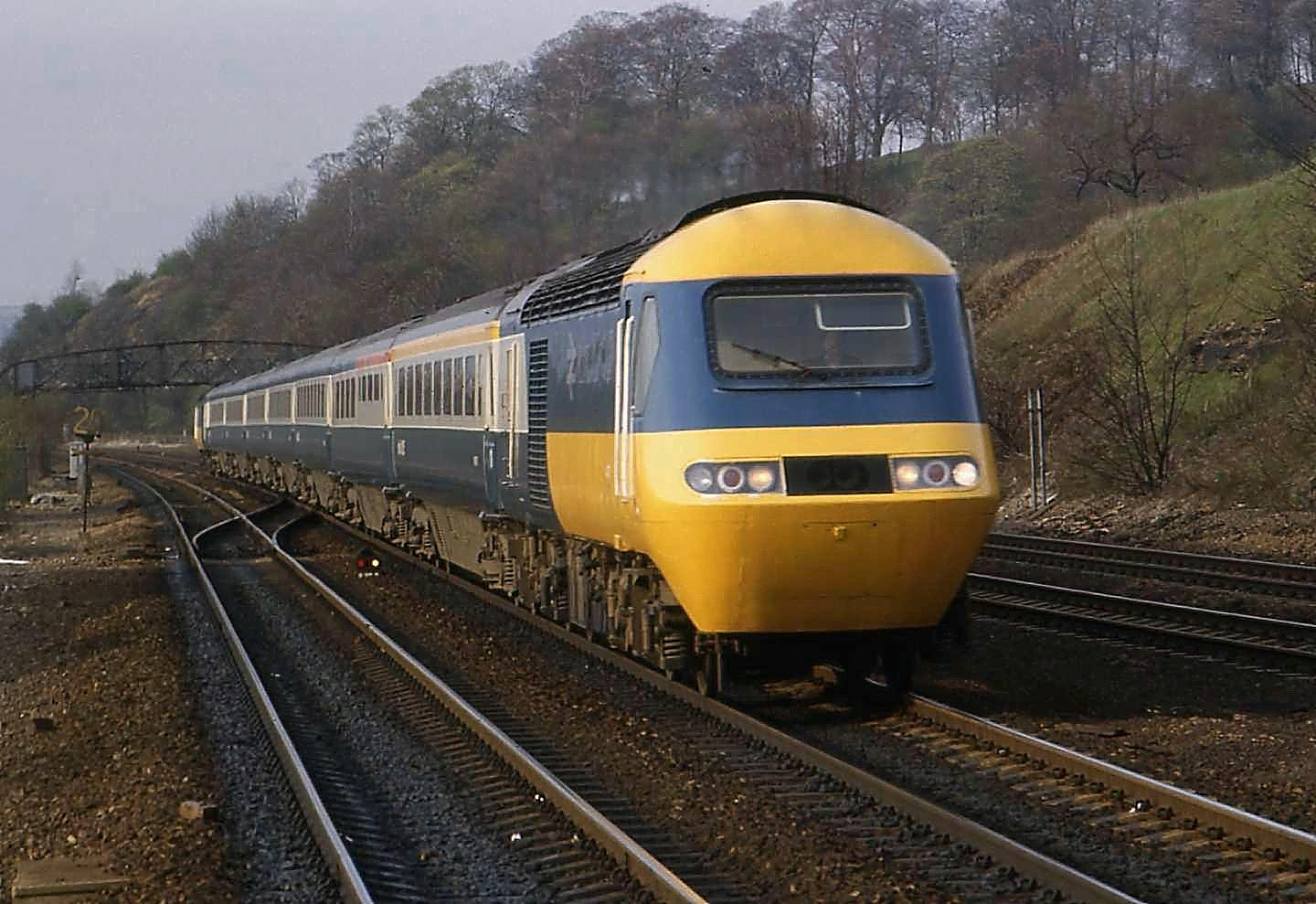
High-speed trains have revolutionized British rail travel by offering unprecedented speed and efficiency. The iconic InterCity 125 (also known as the High-Speed Train or HST) was introduced in the 1970s, capable of reaching speeds up to 125 mph. This was followed by the InterCity 225 and, more recently, the Class 800 series, which form part of the modern Azuma trains operating on the East Coast Main Line.
These trains dramatically reduced journey times between major cities, such as London, Edinburgh, and Manchester, making rail travel a competitive alternative to domestic flights. High-speed trains are designed not only for speed but also for passenger comfort, featuring ergonomically designed seats, onboard catering, and quiet, vibration-minimized cabins.
High-speed rail is also a symbol of Britain’s commitment to modern infrastructure. Projects like High Speed 2 (HS2) aim to connect London with Birmingham, Manchester, and Leeds, further enhancing the network and creating a backbone for future economic growth. High-speed trains demonstrate how technology can transform traditional railways into world-class transportation systems.
Commuter Trains: Serving Daily Travelers
Commuter trains are the lifeblood of Britain’s urban transport. These trains operate on shorter, high-frequency routes, connecting suburbs and towns to major city centers. London’s extensive commuter rail system, including the Overground, Underground, and National Rail services, illustrates how commuter trains support millions of daily journeys.
Designed for efficiency and reliability, commuter trains often prioritize standing space and quick boarding over luxury. Features such as multiple doors, real-time service updates, and automated announcements ensure smooth operation during peak hours. Trains like the Class 378 Capitalstar units serve as excellent examples of commuter-focused design, balancing capacity and comfort.
Commuter trains also encourage sustainable transport. By providing a reliable alternative to car travel, they reduce congestion and lower carbon emissions in densely populated areas. Investments in commuter rail, including electrification and modern rolling stock, continue to enhance urban mobility across Britain.
Regional and Intercity Trains: Connecting the Nation
Regional and intercity trains form the backbone of Britain’s national rail network. They link towns and cities across England, Scotland, and Wales, catering to both business travelers and leisure passengers. Operators like Avanti West Coast, LNER, and Great Western Railway run services that offer a blend of speed, comfort, and accessibility.
Regional trains usually serve medium distances with frequent stops, while intercity trains cover longer distances with fewer stops, allowing passengers to travel efficiently between major hubs. These trains often include amenities such as dining cars, first-class seating, and Wi-Fi, making them suitable for both short and long journeys.
The importance of regional and intercity trains extends beyond transport. They support tourism, regional economies, and social mobility by connecting communities. With continuous upgrades to tracks, signaling, and rolling stock, these trains ensure that Britain’s rail network remains a vital part of the country’s infrastructure.
Freight Trains: The Unsung Heroes
While passenger trains often steal the spotlight, freight trains play a crucial role in Britain’s economy. They transport goods ranging from coal and steel to consumer products and food, efficiently moving large quantities over long distances. Freight trains help reduce road congestion, lower transportation costs, and minimize environmental impact compared to truck-based logistics.
Modern freight trains are typically powered by diesel or electric locomotives, depending on the route and infrastructure. Innovations like containerization and automated loading systems have increased efficiency, making rail freight a competitive and sustainable alternative to road haulage.
Freight operations also support industrial hubs and ports, ensuring that goods reach markets promptly. By complementing passenger services, freight trains contribute to a balanced and efficient railway system, showcasing the versatility of Britain’s railways.
Heritage and Tourist Trains: Preserving History
Heritage and tourist trains offer a glimpse into Britain’s railway past while providing memorable travel experiences. These services often operate on preserved lines, using restored steam locomotives and vintage carriages. Popular examples include the Jacobite Steam Train in Scotland and the Bluebell Railway in Sussex, which attract enthusiasts and tourists alike.
These trains combine nostalgia with education. Passengers can learn about historical railway operations, engineering, and the social impact of trains in Britain. Heritage railways also support local economies by attracting tourism and creating jobs in restoration and maintenance.
Preserving historical trains ensures that future generations can experience the charm and craftsmanship of early railway technology. Heritage and tourist trains celebrate Britain’s railway legacy while keeping the romance of steam and classic carriages alive in the modern era.
Future of British Trains
The future of British trains looks promising, driven by technological advancements and environmental considerations. Electrification, hydrogen-powered trains, and high-speed rail projects are transforming the landscape. Initiatives like HS2, battery-powered trains, and smart signaling systems aim to enhance efficiency, reduce emissions, and provide a seamless travel experience.
Innovation also focuses on passenger comfort and accessibility. Modern trains are being designed with energy efficiency, digital connectivity, and universal accessibility in mind. These improvements promise faster, greener, and more reliable journeys for everyone, from daily commuters to long-distance travelers.
Moreover, integration with other modes of transport, such as buses and cycling networks, is expected to make rail travel a central pillar of sustainable urban and regional mobility. As Britain continues to invest in its railway network, trains will remain a crucial part of the country’s transportation ecosystem for decades to come.
Conclusion
British train types reflect the nation’s rich railway heritage and forward-looking innovation. From the pioneering steam engines to modern high-speed trains and sustainable electric units, the variety of trains showcases technological progress and adaptability. Commuter, regional, intercity, freight, and heritage trains each play unique roles, contributing to a balanced, efficient, and culturally significant railway network.
Understanding these train types allows travelers, enthusiasts, and policymakers to appreciate the complex ecosystem that keeps Britain moving. With ongoing investments in infrastructure, modernization, and sustainability, British trains will continue to evolve, connecting people, goods, and communities efficiently and responsibly.
FAQs
What is the oldest type of train in Britain?
Steam trains are the oldest, dating back to the early 19th century.
Are all trains in Britain electrified?
No, many rural and regional routes still use diesel trains.
Which is the fastest train in Britain?
High-speed trains like the InterCity 125 and modern Azuma trains are the fastest.
Do heritage trains still operate?
Yes, heritage trains run on preserved lines for tourism and educational purposes.
Why are freight trains important?
Freight trains transport goods efficiently, reducing road congestion and emissions.
What is the role of commuter trains?
They provide reliable daily transport for people traveling to work or school.
Are British trains environmentally friendly?
Electric trains and modern innovations are increasingly reducing carbon emissions.
Also read :UK Cheese Types: A Complete Guide to Britain’s Rich Cheese Heritage