

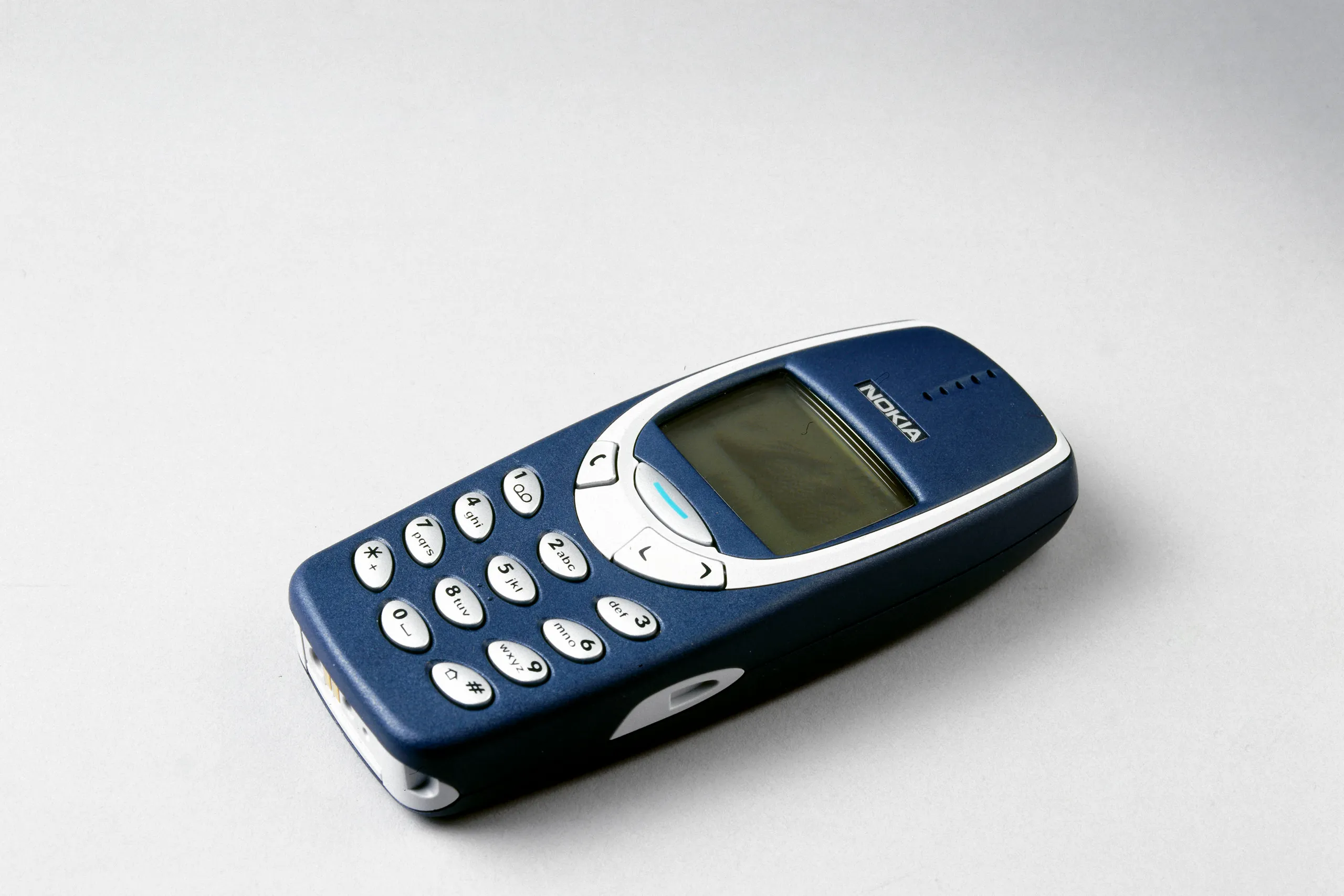
Introduction to Nokia Business Phones
Nokia has long been known as one of the most reliable and trusted names in telecommunications. While many people remember Nokia for its classic mobile phones, the company has also played a major role in developing business communication systems. A Nokia business phone is designed to support professional communication in offices, enterprises, and organizations that rely on reliable voice and collaboration systems.
In a business environment, communication is everything. Whether it is a customer calling for support, a team member coordinating with colleagues, or executives conducting meetings across locations, a dependable phone system is essential. Nokia business phones provide businesses with stable connectivity, strong audio quality, and integrated communication features that help companies maintain smooth operations.
Over the years, Nokia has continued to evolve its business communication technology. Today, Nokia business phone systems often integrate with modern IP telephony, VoIP systems, and unified communication platforms. These systems combine traditional telephony with digital tools, allowing organizations to manage calls, voicemail, conferencing, and messaging from one centralized system.
Another key factor that makes Nokia business phones valuable is their durability and efficiency. Nokia has always focused on creating devices that last longer and perform consistently under demanding conditions. This philosophy extends to its enterprise communication solutions, making them ideal for businesses that prioritize reliability and long-term performance.
As companies grow and communication demands become more complex, the need for advanced phone systems increases. Nokia business phones offer scalability, meaning businesses can expand their communication infrastructure without replacing the entire system. This makes them a cost-effective and practical choice for both small businesses and large enterprises.
The Evolution of Nokia in Business Communication
Nokia’s journey in telecommunications began long before the smartphone era. Originally founded in Finland in the 19th century, the company evolved from a paper mill into a global leader in telecommunications technology. By the late 20th century, Nokia had established itself as a pioneer in mobile communication and network infrastructure.
During the early years of digital telephony, Nokia began focusing on business communication systems that could support offices and corporate environments. These systems were designed to provide organizations with structured internal communication while also allowing seamless connections with external clients and partners.
One of Nokia’s key contributions to business communication was its focus on integrated solutions. Instead of offering only standalone phones, Nokia began developing entire communication platforms that included desk phones, PBX systems, and network infrastructure. These systems allowed companies to manage internal calls, external communication, and voicemail within a single network.
As internet technology advanced, Nokia adapted its business phone systems to support Voice over IP (VoIP). This technology allowed voice calls to be transmitted over the internet rather than traditional telephone lines. Businesses quickly adopted VoIP because it reduced communication costs while offering more flexibility and advanced features.
Today, Nokia continues to innovate in enterprise communication. While the company is widely recognized for network infrastructure and telecommunications equipment, its business communication solutions remain an important part of its technological ecosystem. Modern Nokia business phone systems integrate with cloud services, collaboration platforms, and enterprise IT systems.
Key Features of Nokia Business Phones
Nokia business phones are designed with features that specifically meet the needs of professional environments. These features go beyond basic calling capabilities and focus on improving productivity, communication efficiency, and user convenience.
One of the most important features of Nokia business phones is crystal-clear audio quality. In business communication, clarity is critical. Miscommunication during calls can lead to misunderstandings, lost opportunities, or customer dissatisfaction. Nokia devices use advanced audio processing technology to ensure that voices remain clear and natural.
Another essential feature is call management. Nokia business phones typically allow users to hold calls, transfer calls, forward calls, and manage multiple lines simultaneously. This functionality is especially important in offices where employees handle several calls at once. Receptionists, customer support agents, and sales representatives benefit greatly from these tools.
Voicemail integration is also a standard feature in many Nokia business phone systems. Employees can receive voice messages when they are unavailable and listen to them later through the phone system or integrated email platforms. Some systems even convert voicemail messages into text for easier access.
Conference calling capabilities are another major advantage. Nokia business phones often support multi-party calls, allowing teams to conduct meetings without requiring separate conferencing software. This feature saves time and makes collaboration easier for distributed teams.
Additionally, many modern Nokia business phone systems include programmable keys and customizable settings. Users can configure buttons for frequently used contacts, functions, or departments. This improves efficiency by allowing employees to perform common tasks quickly.
Security is also a key consideration. Business communication often involves sensitive information, so Nokia systems incorporate encryption and secure network protocols to protect conversations and data.
Types of Nokia Business Phone Systems
Nokia offers several types of business phone systems designed to meet the needs of different organizations. These systems vary in complexity, scale, and technological capabilities.
One of the most common systems is the traditional PBX (Private Branch Exchange). A PBX system allows businesses to manage internal communication within an office while connecting to external phone networks. Nokia PBX systems were widely used by companies for many years and are still found in some organizations today.
Another type is IP-based phone systems. These systems use internet networks to transmit voice calls instead of traditional telephone lines. IP phone systems offer more flexibility and are easier to integrate with modern digital tools. Many businesses have shifted to IP telephony because it reduces costs and supports remote work.
Hybrid phone systems combine traditional telephony with IP technology. This approach allows companies to gradually transition to digital communication without completely replacing their existing infrastructure. Hybrid systems are especially useful for businesses that want to modernize their communication while maintaining stability.
Cloud-based business phone systems are becoming increasingly popular. In these systems, the phone infrastructure is hosted on remote servers instead of being installed on-site. Businesses can access communication services through internet-connected devices, making it easier to scale operations and support remote teams.
Each type of Nokia business phone system has its advantages. The right choice depends on the size of the organization, communication needs, budget, and technological infrastructure.
Benefits of Using Nokia Business Phones
There are many reasons why businesses choose Nokia communication systems. One of the primary benefits is reliability. Nokia has built a reputation for producing devices and communication solutions that function consistently over long periods of time.
Another major advantage is durability. Nokia devices are often designed to withstand heavy use, making them ideal for busy office environments. Unlike consumer phones that may wear out quickly, business communication equipment must handle continuous operation throughout the workday.
Cost efficiency is another benefit. While the initial investment in a business phone system may seem significant, the long-term value often outweighs the cost. Nokia systems are designed to last for many years, reducing the need for frequent replacements or repairs.
Scalability is also an important factor. As companies grow, their communication requirements expand. Nokia business phone systems allow businesses to add new users, extensions, or departments without replacing the entire system. This flexibility helps organizations adapt to growth.
Integration with other business tools is another advantage. Modern Nokia systems can connect with email platforms, collaboration software, and customer relationship management systems. This integration streamlines workflows and improves communication efficiency.
Finally, Nokia systems often provide centralized management. IT administrators can monitor and manage the entire communication network from a single interface, making it easier to troubleshoot issues and maintain system performance.
Nokia Business Phones and VoIP Technology
Voice over IP technology has transformed business communication. Instead of relying on traditional telephone lines, VoIP allows voice calls to travel through internet networks. Nokia has adapted its business phone systems to support this modern communication approach.
One of the biggest benefits of VoIP is cost reduction. Traditional long-distance calls can be expensive, especially for international businesses. VoIP significantly lowers these costs by transmitting calls through internet infrastructure.
VoIP also offers greater flexibility. Employees can make and receive calls from various devices, including desk phones, laptops, and mobile phones. This flexibility is especially valuable for remote workers and distributed teams.
Another advantage of VoIP integration in Nokia business phones is advanced functionality. VoIP systems often include features such as call analytics, automated attendants, voicemail-to-email services, and video conferencing capabilities.
Scalability is another benefit. Businesses can easily add new users or extensions without installing additional physical phone lines. This makes it easier for companies to grow without facing major infrastructure limitations.
Nokia’s experience in telecommunications networks gives it a strong advantage in developing reliable VoIP systems. The company’s expertise in network technology ensures that voice data is transmitted efficiently and securely.
Security in Nokia Business Phone Systems
Security is a critical aspect of business communication. Phone systems often carry sensitive information such as financial data, customer details, and internal business discussions. Nokia business phone systems incorporate multiple layers of security to protect this information.
One key security feature is encryption. Encrypted communication ensures that voice data cannot be easily intercepted by unauthorized parties. This is especially important for organizations that handle confidential information.
Network security protocols are another important component. Nokia systems often use secure authentication processes to ensure that only authorized users can access the communication network.
Another layer of security involves monitoring and management tools. IT administrators can track system activity, identify suspicious behavior, and respond quickly to potential threats.
Regular software updates also play a role in maintaining security. Nokia frequently releases updates to address vulnerabilities and improve system performance. Businesses that keep their systems updated are better protected against cyber threats.
Security training is also important for employees. Even the most advanced systems can be compromised if users are not aware of best practices. Organizations often implement policies that guide employees on how to use communication systems safely.
The Role of Nokia Business Phones in Modern Workplaces
Modern workplaces rely heavily on digital communication tools. Despite the rise of messaging apps and collaboration platforms, voice communication remains essential for many business activities.
Nokia business phones provide a reliable way for employees to communicate quickly and effectively. In many situations, a direct phone call is faster and clearer than written communication. This is especially true for complex discussions or urgent matters.
Customer service departments rely heavily on phone systems. When customers contact a company, they expect quick responses and professional communication. Nokia business phones support call routing, automated greetings, and queue management to ensure customers are served efficiently.
Internal communication is another area where business phones play an important role. Teams often need to coordinate tasks, share updates, or resolve issues quickly. A dedicated phone system allows employees to reach each other instantly.
Nokia systems also support conference calls and team meetings. This functionality allows employees in different locations to collaborate without needing to travel. As remote work becomes more common, reliable phone systems are becoming even more important.
In addition to voice communication, many Nokia systems integrate with digital collaboration tools. This combination of technologies helps businesses maintain strong communication networks in increasingly digital work environments.
Future Trends in Business Communication and Nokia
The future of business communication is evolving rapidly. As technology continues to advance, companies are looking for more efficient ways to connect employees, customers, and partners.
One emerging trend is the integration of artificial intelligence into communication systems. AI-powered tools can analyze call data, provide automated responses, and improve customer service experiences. Nokia may incorporate similar technologies into future business communication solutions.
Cloud-based communication platforms are also becoming more popular. Instead of maintaining complex hardware systems, businesses can use cloud services to manage their communication infrastructure. This approach reduces maintenance requirements and allows companies to scale easily.
Another trend is the integration of voice communication with collaboration platforms. Tools such as messaging apps, video conferencing software, and project management systems are becoming connected with business phone systems. This creates a unified communication environment where employees can access all tools from one interface.
Security will also remain a major focus. As cyber threats continue to evolve, communication systems must incorporate stronger encryption, monitoring, and authentication mechanisms.
Nokia’s long history in telecommunications positions the company well to adapt to these trends. With its expertise in networking and communication technology, Nokia is likely to remain a key player in the enterprise communication landscape.
Conclusion
Nokia business phones represent a reliable and powerful solution for organizations that depend on effective communication. From traditional PBX systems to modern VoIP platforms, Nokia has consistently developed technologies that support professional communication needs.
Businesses benefit from Nokia’s focus on reliability, security, and scalability. These systems are designed to handle the demanding requirements of professional environments while providing advanced features that improve productivity.
As communication technology continues to evolve, Nokia’s experience in telecommunications infrastructure will remain valuable. The company’s ability to integrate voice communication with digital collaboration tools ensures that businesses can maintain strong communication networks in a rapidly changing world.
For organizations seeking dependable communication systems, Nokia business phones remain a practical and trusted choice. Their combination of durability, functionality, and advanced technology makes them an important part of modern business communication strategies.
FAQs
What is a Nokia business phone?
A Nokia business phone is a professional communication device designed for office and enterprise environments.
Do Nokia business phones support VoIP?
Yes, many modern Nokia business phone systems support VoIP technology for internet-based calling.
Are Nokia business phone systems secure?
Nokia systems include encryption and secure network protocols to protect business communication.
Can Nokia business phones support conference calls?
Yes, most Nokia business phone systems include multi-party conference call functionality.
Are Nokia business phones suitable for small businesses?
Yes, Nokia offers scalable systems that can work for both small businesses and large enterprises.
Do Nokia business phone systems integrate with other software?
Many modern Nokia systems integrate with email, collaboration tools, and business applications.
Is VoIP cheaper than traditional phone systems?
VoIP often reduces long-distance communication costs and offers additional features.
Can Nokia phone systems support remote workers?
Yes, VoIP-enabled Nokia systems allow employees to connect from different locations.
Do Nokia business phones require internet connection?
Traditional systems may use telephone lines, while VoIP systems require internet connectivity.
Why do businesses choose Nokia communication systems?
Businesses choose Nokia systems for their reliability, durability, security, and scalability.
Also read:Harrier Attack Game Amstrad: A Complete Expert Guide to the Classic 8-Bit Flight Game